
Starting Research Peptides in 2025: The Complete Beginner's Handbook
Everything you need to understand what peptides are, how they work, which ones are worth starting with, and how to approach sourcing them the right way.
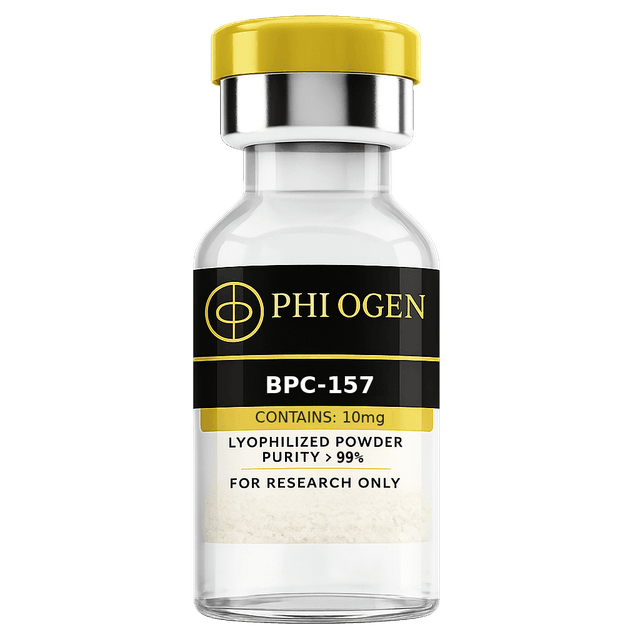
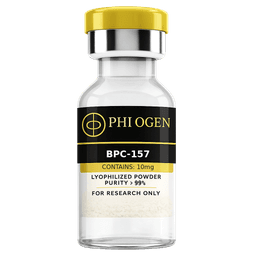
BPC-157
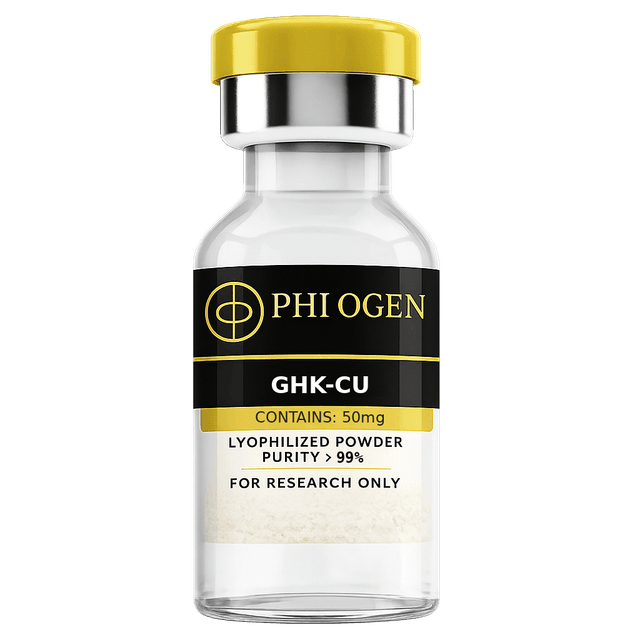
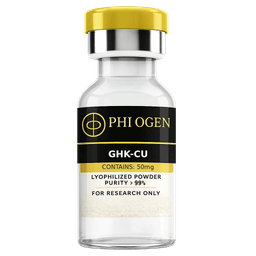
GHK-Cu
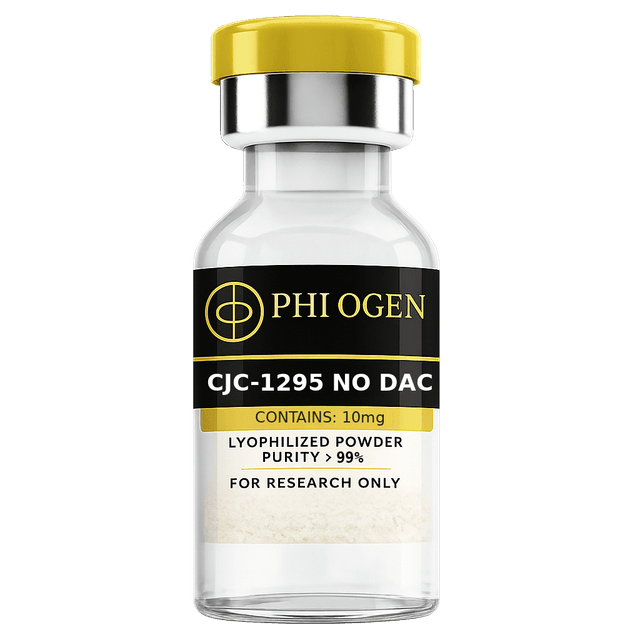
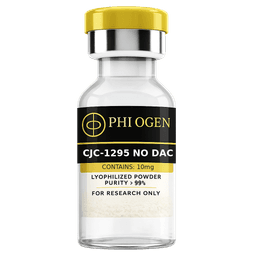
CJC-1295
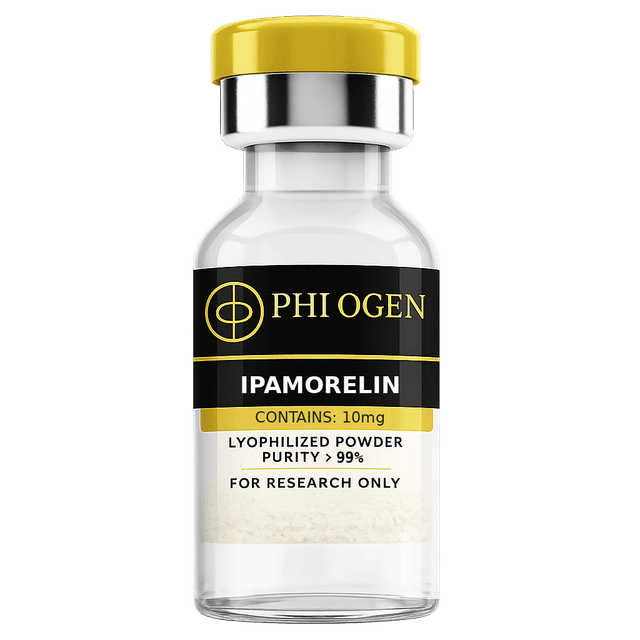
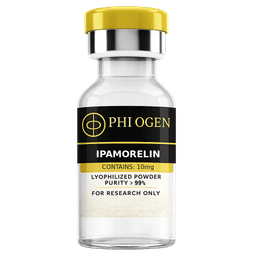
Ipamorelin
What Even Is a Peptide?
At the most fundamental level, a peptide is simply a short chain of amino acids — the same building blocks that make up all proteins. Where a protein might be hundreds or thousands of amino acids long, a peptide is typically anywhere from two to about fifty. That size difference matters enormously, because it determines how the molecule behaves in the body. Peptides are small enough to travel quickly through tissue, bind to specific receptors, and trigger precise biological responses without the blunt-force effects you'd get from a full-size protein or a synthetic pharmaceutical compound.
Think of them like text messages your body sends between cells. Your liver might produce a peptide signal that tells your pituitary gland to release growth hormone. Your stomach might secrete a peptide that tells your brain you're full. Your skin, when damaged, produces peptides that recruit healing factors to the site of injury. The body runs on these short amino acid signals constantly — what research peptides do is essentially give the body a targeted, additional dose of signals it already understands. That's fundamentally different from a drug, which often works by blocking receptors or forcing processes that the body wouldn't otherwise run. Peptides work more like keys that unlock doors the body already has.
Synthetic research peptides are manufactured to be structurally identical — or very similar — to peptides that occur naturally in the human body or in other organisms. BPC-157, for instance, is a sequence derived from a protein found in human gastric juice. GHK-Cu is a tripeptide that the human liver naturally produces but which declines significantly with age. When you work with these compounds in a research context, you're not introducing something foreign — you're introducing something the body recognizes at a molecular level. This is a large part of why they've attracted so much attention in the research community.
Why People Are Turning to Peptides
The conversation around peptides has shifted significantly in the last five years. What was once confined to competitive bodybuilding circles and obscure research forums has moved into the broader world of biohacking, looksmaxxing, longevity optimization, and serious athletic performance work. You can attribute part of this to the internet democratizing access to scientific literature — people who would never have encountered a PubMed abstract a decade ago are now reading study summaries, watching protocol breakdowns, and making informed decisions about their own bodies. The shift is from reckless experimentation to informed, data-driven research.
The looksmaxxing community in particular has driven a lot of interest in specific peptides that target the visible results of aging and optimization — things like skin collagen density, body composition, facial aesthetics, and hair health. But the appeal isn't limited to aesthetics. Athletes dealing with chronic tendon injuries that simply won't heal have found protocols involving BPC-157 and TB-500 that changed their training. People dealing with gut dysfunction, sleep issues, and age-related decline in growth hormone output are all turning to peptides for the same core reason: these compounds interact with biological systems that conventional medicine often has little targeted to offer.
Peptide Starter Tier Guide
A practical framework for thinking about complexity and research depth before starting any peptide.
| Tier | Peptides |
|---|---|
| Beginner | BPC-157, GHK-Cu |
| Intermediate | CJC-1295 + Ipamorelin, Tirzepatide |
| Advanced | Epithalon, IGF-1 LR3, AICAR |
The Four Peptides Every Beginner Should Know
BPC-157 is where almost everyone starts, and for good reason. This 15-amino-acid peptide derived from human gastric juice protein has a research profile that spans tendon healing, gut repair, anti-inflammation, and even neurological protection. It's not a one-trick compound — it's more like a broad-spectrum healing signal that your body immediately knows what to do with. For beginners, the combination of a forgiving dosing range and a wide array of potential research applications makes it the logical first peptide to understand.
GHK-Cu is one of the most fascinating peptides in the entire research space. It's a copper-binding tripeptide that your own liver produces naturally — the problem is that serum GHK-Cu drops by about 60% between your 20s and your 60s. The research on what it does is extraordinary: over 4,000 genes affected, skin collagen upregulation, hair follicle stimulation, and perhaps most remarkably, it seems to actively reset gene expression patterns toward a younger phenotype. If you're interested in the anti-aging or looksmaxxing applications of peptide research, GHK-Cu is one of the first places you look.
CJC-1295 No-DAC (also called Modified GRF 1-29) is a growth hormone-releasing hormone analog — meaning it tells your pituitary gland to release growth hormone rather than being GH itself. This is an important distinction for research contexts, because it works with the body's natural pulsatile GH release pattern rather than overriding it. It's typically paired with Ipamorelin in research protocols, and together they produce a synergistic effect on GH output that neither achieves as effectively alone.
Ipamorelin is a GH secretagogue — it stimulates GH release through the ghrelin receptor pathway, but with a remarkably clean profile. Unlike older GH secretagogues, Ipamorelin does not significantly raise cortisol, prolactin, or ACTH, which makes it one of the more selective options in the GH-releasing peptide category. Combined with CJC-1295, it covers both arms of the GH-releasing pathway simultaneously, and when timed properly around sleep, it can amplify the body's largest natural GH pulse of the night.
How to Read a COA
When I first started researching peptides, I had no idea what a COA was, and it took me longer than I'd like to admit to figure out why it mattered. COA stands for Certificate of Analysis — it's a third-party laboratory document that verifies what's actually in the vial you received. The key test you're looking for is HPLC, which stands for High-Performance Liquid Chromatography. In plain terms, HPLC separates a compound into its component parts by running it through a column under high pressure, and the resulting chromatogram shows you what percentage of the material is the peptide you ordered versus contaminants or degradation products. A purity reading above 99% means that over 99% of the material in the vial is exactly the peptide it claims to be — which is exactly what you want when working with research compounds.
The other thing to look for on a COA is mass spectrometry confirmation (sometimes listed as MS or LCMS), which verifies the molecular weight of the compound. A peptide has a characteristic mass — BPC-157, for instance, has a molecular formula that produces a predictable mass reading. If the COA shows the correct mass alongside 99%+ HPLC purity, you have strong confidence that the product is what it claims. Any reputable peptide research supplier will make COAs available for every batch, and if they don't have them readily accessible, that's a significant red flag worth taking seriously.
Reconstitution Basics
Research peptides arrive as lyophilized powder — essentially freeze-dried — because the peptide chain is much more stable in dry form than in solution. Before use in any research context, the powder needs to be reconstituted by adding bacteriostatic water (sterile water with 0.9% benzyl alcohol, which prevents microbial growth). The standard approach is to add the bacteriostatic water slowly down the side of the vial rather than directly onto the powder, and to gently swirl rather than shake. The benzyl alcohol in bacteriostatic water preserves the reconstituted peptide for several weeks when stored refrigerated — which is why it's used instead of plain sterile water for everything except immediate single-use applications.
Ready to Explore Further?
Browse the full product catalog or explore purpose-built research stacks designed around specific goals.