
Peptides for Hormonal Optimization — The HPG Axis Explained
How Kisspeptin-10 and Gonadorelin work with your body's own hormonal axis to support testosterone production and reproductive health research.
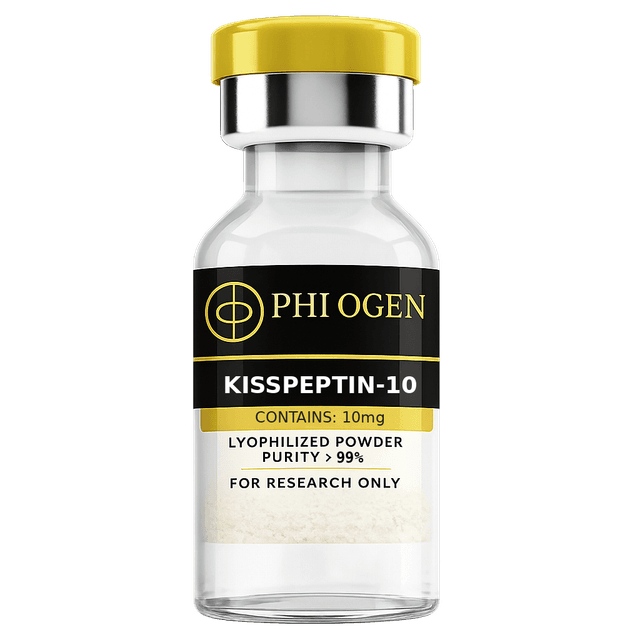
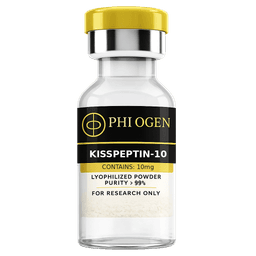
Kisspeptin-10
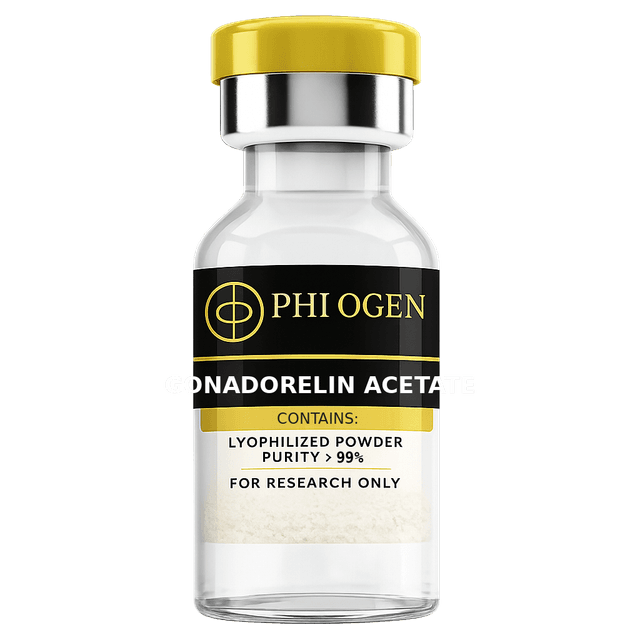
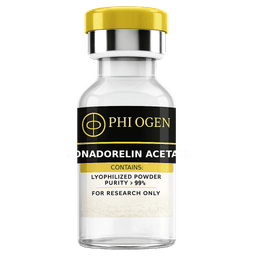
Gonadorelin
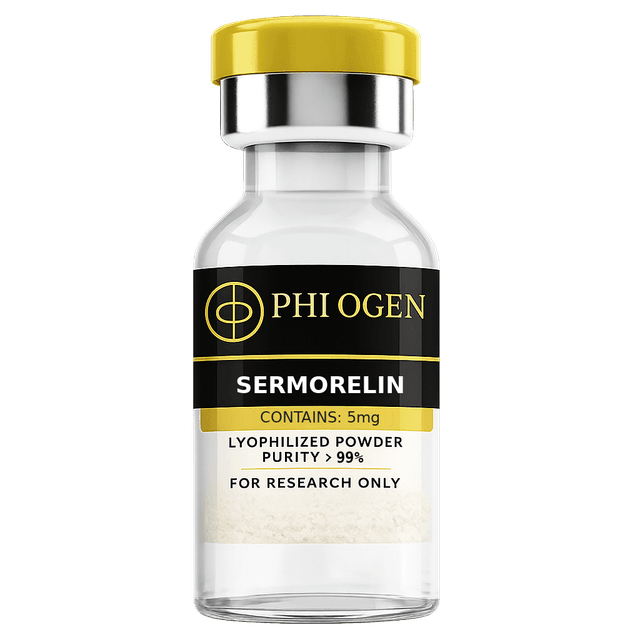
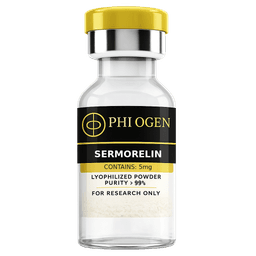
Sermorelin
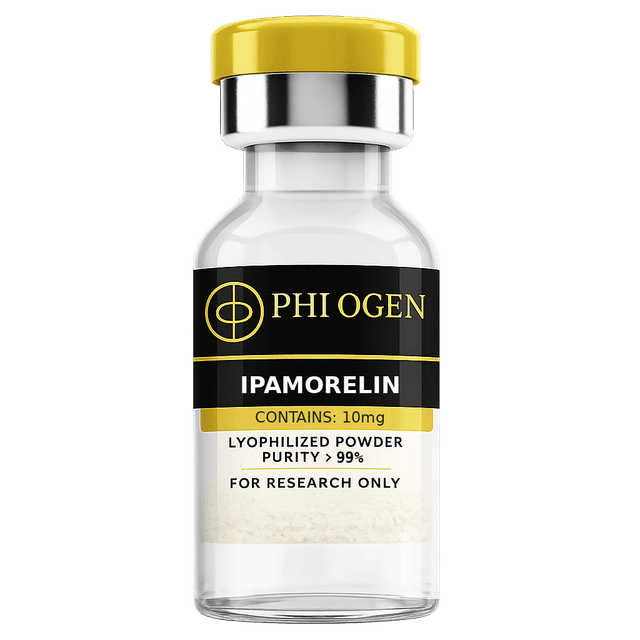
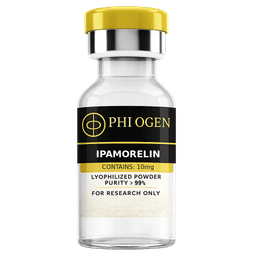
Ipamorelin
The Axis That Controls Everything
Your hormonal system is less like a dial you can simply turn up and more like a conversation between three organs that happen to be very good at listening to each other. The hypothalamic-pituitary-gonadal axis — the HPG axis — is the signaling network that ultimately determines how much testosterone and estrogen your body produces, and it operates through a precise chain of chemical messengers. The hypothalamus fires first, releasing gonadotropin-releasing hormone (GnRH) in pulses every 60-120 minutes. The pituitary gland, sitting directly below the hypothalamus, responds to each GnRH pulse by releasing luteinizing hormone (LH) and follicle-stimulating hormone (FSH). LH then travels through the bloodstream to the gonads — the testes or ovaries — where it triggers steroid hormone production. The conversation is happening constantly, all day, every day.
What disrupts this conversation matters more than most people realize. Chronic stress raises cortisol, which suppresses GnRH pulsatility at the hypothalamic level. Poor sleep reduces the overnight LH pulses that drive testosterone production during recovery. Age progressively blunts the amplitude of each step in the cascade. External hormone administration — including anabolic steroids — suppresses the axis through negative feedback, often profoundly and for extended periods after cessation. Understanding the HPG axis as a system means understanding that any intervention targeting testosterone output is really an intervention targeting one or more steps in this three-organ conversation.
Peptides that interact with the HPG axis are interesting precisely because they work at the signaling level — they don't replace hormones, they work upstream to influence how the axis generates them. Kisspeptin-10 sits at the very top of the cascade, upstream of even the hypothalamus. Gonadorelin is synthetic GnRH itself. These are fundamentally different research tools than exogenous testosterone, and understanding where each sits in the axis is the foundation for any serious HPG axis research.
Kisspeptin — The Master Switch Nobody Talks About
Kisspeptin is the peptide that triggers the hypothalamus to release GnRH in the first place — which means it sits upstream of the entire HPG axis. Before the hypothalamus can send its signal to the pituitary, it needs to receive a Kisspeptin signal of its own. Kisspeptin neurons in the hypothalamic arcuate nucleus are the master regulators of GnRH pulsatility, and their activity is influenced by sex hormones (through feedback loops), leptin (energy availability), and other neuroendocrine signals. When Kisspeptin signaling is robust, GnRH pulses are strong and regular. When it's impaired — by caloric restriction, extreme exercise, or disease — the entire downstream cascade weakens.
Kisspeptin-10 is the active 10-amino-acid fragment of the full Kisspeptin protein, and it's the form most extensively studied for its effects on GnRH release and downstream HPG axis activation. In fertility research, exogenous Kisspeptin-10 administration has been studied as a method to stimulate LH surges in models of hypothalamic amenorrhea and hypogonadotropic hypogonadism — conditions where the HPG axis is failing at the upstream signal level. For researchers interested in the most upstream peptide-accessible intervention point in the testosterone production cascade, Kisspeptin-10 is where the cascade begins.
What makes Kisspeptin-10 particularly fascinating from a research perspective is the feedback architecture around it. Unlike GnRH or LH, which are subject to strong negative feedback from testosterone, Kisspeptin neurons are modulated by a more complex set of inputs that include both positive and negative feedback from gonadal steroids depending on location and timing. Understanding the conditions under which Kisspeptin signaling is enhanced or suppressed is an active area of neuroendocrinology research.
Gonadorelin — Direct GnRH Signaling
Where Kisspeptin triggers the body's own hypothalamic neurons to produce and release GnRH, Gonadorelin is the GnRH signal itself. It's a synthetic decapeptide that is structurally identical to endogenous GnRH, acting directly at GnRH receptors on pituitary gonadotroph cells to stimulate the release of LH and FSH. The conceptual distinction matters: Kisspeptin works through the hypothalamus as an intermediary, while Gonadorelin bypasses the hypothalamus entirely and delivers the GnRH signal directly to the pituitary. In clinical contexts, Gonadorelin has been used diagnostically to assess pituitary GnRH responsiveness — you administer it and measure how much LH the pituitary releases in response, which tells you whether the failure point in the axis is above or below the pituitary.
In the bodybuilding and TRT (testosterone replacement therapy) research community, Gonadorelin has attracted interest as a method to maintain pituitary and testicular signaling during exogenous testosterone use, where the suppression of endogenous GnRH by negative feedback would otherwise lead to LH and FSH falling to nearly undetectable levels. The research hypothesis is that intermittent Gonadorelin administration keeps the pituitary responsive and the Leydig cells in the testes stimulated, preserving testicular function that might otherwise atrophy during prolonged exogenous androgen use. This is an active research area with ongoing interest in both clinical and self-directed research contexts.
The HPG Axis: A Visual Map
How the signaling cascade flows from Kisspeptin down to testosterone and estrogen production.
Kisspeptin
Upstream trigger
Hypothalamus
Receives signal
GnRH Release
Or: Gonadorelin directly
Pituitary
Downstream responder
LH & FSH
Gonadotropins released
Testosterone / Estrogen
End products
Sermorelin and the Growth Hormone Axis
The growth hormone axis is separate from the HPG axis — GH is regulated by the hypothalamic-pituitary axis independently of the gonadal feedback loop — but in practice the two systems interact in ways that matter for body composition and performance research. Testosterone and growth hormone are both anabolic hormones that decline with age, and both affect muscle mass, fat distribution, bone density, and skin quality. Researchers interested in comprehensive hormonal optimization typically look at both axes rather than treating them as independent silos.
Sermorelin is a GHRH analog that stimulates GH release from the pituitary through the same mechanism as the hypothalamus's own GHRH signal. It keeps the pituitary's GH axis responsive and active in a pulsatile pattern, rather than flooding the system with exogenous GH. For researchers running both HPG axis peptides (Kisspeptin-10 or Gonadorelin) and GH axis peptides (Sermorelin, Ipamorelin), there is minimal mechanistic overlap — these compounds work on entirely different receptor systems — but the combined physiological effects on anabolism, recovery, and body composition may be additive in ways that neither axis intervention alone produces.
What This Means for Looksmaxxers
The looksmaxxing community has developed a sophisticated understanding of how hormonal levels influence visible physical traits — testosterone's role in facial bone development during puberty is well-documented, but its ongoing effects in adulthood on muscle mass, body fat distribution, and skin oil production are equally relevant. Higher testosterone in the normal physiological range is associated with more favorable lean mass to fat ratios, better skin texture, more defined facial features through fat distribution, and faster recovery from training — all things that directly affect the physical appearance goal of looksmaxxing research.
It's worth being honest about where the research on HPG axis peptides sits relative to these goals. Kisspeptin-10 and Gonadorelin are not testosterone — they work on the signaling chain that tells your body to make testosterone, and the extent to which they can raise circulating levels in subjects with functioning HPG axes versus those with axis disruption is an active research question. For researchers whose primary goal is optimizing testosterone for body composition, the HPG axis peptide research is most clearly relevant in contexts of axis disruption — post-cycle recovery, age-related decline in LH pulsatility, or hypothalamic dysfunction from extreme caloric restriction or chronic stress. In those contexts, targeting the signaling rather than replacing the output is mechanistically sound and theoretically advantageous.
Explore Hormonal Optimization Research
Browse the full product catalog or discover purpose-built stacks for body composition and performance research.