
Peptides for Facial Aesthetics — The Looksmaxxer's Deep Dive
Facial aesthetics are not entirely genetics. Skin quality, collagen density, inflammation, and cellular age are all modifiable — and research peptides target the specific biology that determines each one.
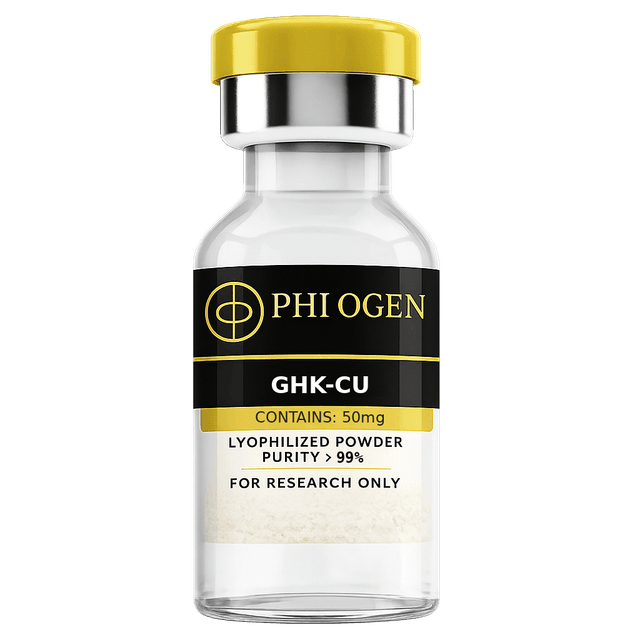
GHK-Cu
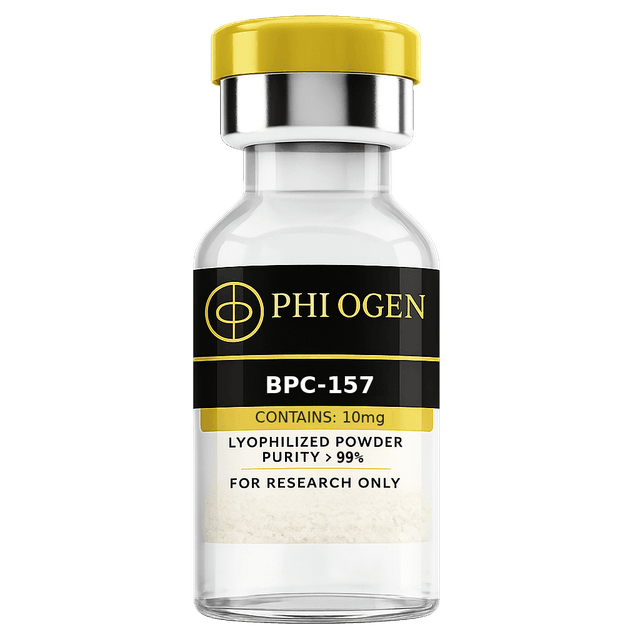
BPC-157
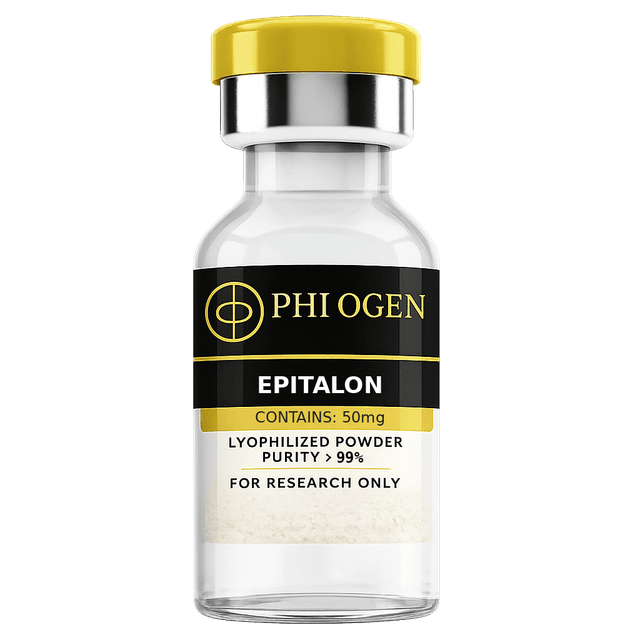
Epitalon
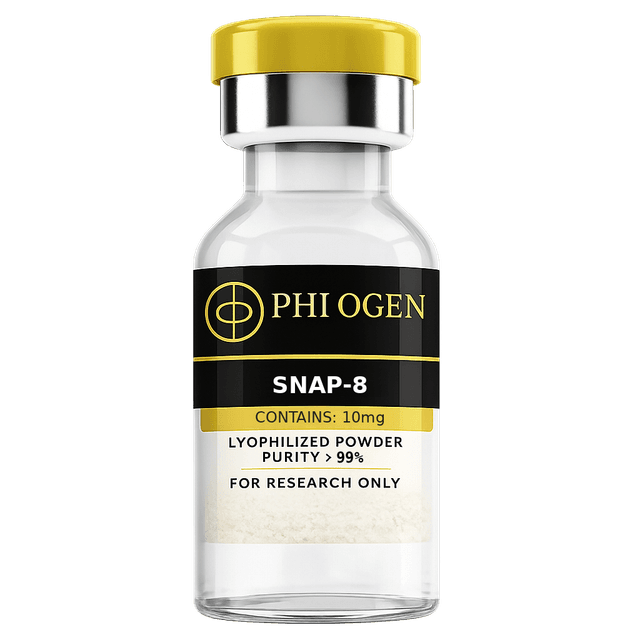
SNAP-8
What Actually Makes a Face Look Good?
Bone structure gets most of the credit when people talk about facial aesthetics, and yes — the underlying skeleton determines the broad architecture. But bone structure is mostly set by genetics and by developmental factors that can't be significantly modified in adulthood. What can be modified is everything that sits on top of and around that structure: skin thickness and texture, collagen density, subcutaneous fat distribution, hydration, and the degree of chronic inflammation that accelerates visible aging. These factors are where you actually have leverage.
Think about the difference between someone who looks 25 at age 35 versus someone who looks 45 at the same age. The bone structure might be similar. What's different is almost entirely the skin — how tight it sits against the underlying structure, how well it reflects light, how visible the texture is, how much the dynamic expression lines from decades of smiling and squinting have settled into static wrinkles. All of these are collagen and elastin phenomena. They're driven by the declining production of structural proteins, the accumulation of advanced glycation end products, and the gradual shortening of telomeres in skin cells over time. These are biological processes, and biological processes can be influenced.
Research peptides are particularly interesting in the facial aesthetics context because several of the most studied compounds act directly on the cellular machinery responsible for collagen synthesis, skin barrier function, and inflammatory signaling in the dermis. GHK-Cu regulates thousands of genes related to skin health. BPC-157 drives angiogenesis in the dermis. SNAP-8 targets neuromuscular signaling at expression lines. Epithalon addresses the deep cellular aging process itself. Together, these compounds represent a research toolkit for approaching facial skin biology from multiple angles simultaneously.
GHK-Cu: The Peptide That Turns Back the Clock on Your Skin
GHK-Cu is the closest thing researchers have found to a biological reset button for skin aging. It's a naturally occurring copper-binding tripeptide — glycine, histidine, lysine bound to a copper ion — that the human body produces abundantly in youth and loses progressively with age. By the time most people are in their mid-forties, serum GHK-Cu levels have dropped to roughly 40% of what they were in their twenties. The research on what GHK-Cu actually does at the genetic level is extraordinary: Loren Pickart's work showed that GHK-Cu modulates the expression of over 4,000 human genes, and the direction of that modulation is consistently toward repairing the damage patterns associated with aging.
For skin specifically, the documented effects include significant increases in collagen and elastin synthesis, thickening of the dermis, improvement in skin firmness, reduction in fine lines and wrinkle depth, and stimulation of glycosaminoglycan production — the molecules responsible for skin hydration and volume. The copper component is critical because it acts as a cofactor for lysyl oxidase, the enzyme that cross-links collagen and elastin fibers into their mature structural form. Without adequate copper, newly synthesized collagen doesn't organize properly, which is why GHK-Cu's copper-delivery function is not incidental to its mechanism — it's central to it.
What makes GHK-Cu particularly compelling for looksmaxxing research is that its effects compound over time. It doesn't produce a transient flush of collagen that fades when you stop — it appears to actually shift the gene expression baseline toward a younger pattern. Research subjects who received GHK-Cu topically over 12 weeks showed improvements in multiple skin parameters that persisted beyond the treatment period. For anyone serious about long-term facial aesthetics, GHK-Cu is arguably the single highest-leverage compound to understand.
BPC-157 and Skin Healing
BPC-157's reputation is built on its role in tendon and gut repair, but its angiogenic mechanism is equally relevant to dermal health. The peptide potently upregulates VEGF — vascular endothelial growth factor — which drives the formation of new capillaries in the tissue it reaches. In the context of skin, this means improved vascular density in the dermis, which translates directly to better oxygen delivery, faster clearance of inflammatory mediators, and accelerated wound healing. Research on dermal wound models has shown BPC-157 significantly accelerating barrier repair and reducing healing time compared to controls.
Beyond acute wound healing, BPC-157's anti-inflammatory signaling is relevant for chronic skin conditions that affect appearance — redness, uneven texture, post-acne marks, and the persistent low-grade inflammation that accelerates visible aging in the dermis. Its ability to modulate the nitric oxide system and growth hormone receptor signaling in local tissue makes it a complementary compound to GHK-Cu for a comprehensive dermal research protocol. Where GHK-Cu addresses the structural and genetic components of skin aging, BPC-157 addresses the vascular and inflammatory environment that determines how well that structure is maintained.
SNAP-8: The Botox Alternative Peptide
SNAP-8 is an octapeptide — an eight-amino-acid chain — that was specifically developed to address expression lines through the same biological pathway that Botox exploits, but through a fundamentally different and lighter mechanism. Botox works by blocking acetylcholine release at neuromuscular junctions, causing temporary paralysis of the targeted muscles. SNAP-8 works by interfering with the SNARE protein complex — specifically by competing with SNAP-25, the protein that facilitates vesicle docking for neurotransmitter release — reducing (not eliminating) the neuromuscular signal that causes repetitive muscle contractions. The result is a partial, reversible softening of dynamic expression lines rather than the complete cessation of movement that injectable neurotoxins produce.
Research on SNAP-8 has shown measurable reductions in the depth of forehead lines, crow's feet, and perioral expression lines with consistent topical application. The mechanism is gentle enough that it doesn't produce the frozen appearance associated with excessive Botox, which has made it an area of significant interest for cosmetic researchers looking for modality options that preserve natural facial movement while addressing the visible accumulation of dynamic expression lines over time. For looksmaxxers who are specifically focused on the periorbital area or forehead, SNAP-8 represents a targeted research avenue that is mechanistically distinct from everything else in the facial peptide toolkit.
Epithalon and the Cellular Age of Your Skin
Every time a skin cell divides, it copies its DNA — and every time it copies its DNA, the protective caps at the end of each chromosome, called telomeres, get slightly shorter. Eventually telomeres shorten enough that the cell can no longer divide and enters a state called senescence, where it continues to exist but stops functioning properly and starts secreting inflammatory signals that accelerate aging in surrounding tissue. Telomere shortening in skin cells is a direct driver of the visible aging process, and it happens faster in skin than in many other tissues because skin cells divide frequently throughout life.
Epithalon, a tetrapeptide developed by the St. Petersburg Institute of Bioregulation and Gerontology, activates telomerase — the enzyme that can actually lengthen telomeres. Research on Epithalon in cell culture and animal models has shown it extending cell division capacity, reducing markers of cellular senescence, and demonstrating anti-tumor activity in certain models. For facial skin research, the theoretical application is profound: if you can maintain telomere length in dermal fibroblasts and epidermal stem cells, you can extend the period during which those cells continue to function optimally, producing collagen and maintaining barrier integrity at a biological age younger than the calendar age. This makes Epithalon a long-cycle compound — less about immediate changes and more about where your skin's cellular age is tracking over years.
Combining Them: A Facial Peptide Protocol
The four compounds described here target different layers and timescales of skin biology, which means they don't compete with each other — they stack. GHK-Cu works continuously at the gene expression level, best run daily or near-daily in a long-term program. Epithalon operates on the deepest timescale — its effects on telomere biology are about where your skin's cellular age is heading over months and years, making it a periodic cycling compound (typically 10-day cycles two to three times per year) rather than a daily protocol element. BPC-157 addresses the vascular and inflammatory environment, useful either continuously at maintenance doses or in higher-intensity cycles during periods of skin stress or recovery.
SNAP-8 occupies a distinct application space because it works on neuromuscular signaling at expression-line sites — it's topically targeted to the forehead, periorbital area, or wherever fine lines from facial expressions have been accumulating. Running all four simultaneously is not complicated from a mechanism standpoint because their actions don't overlap. The more important consideration is sourcing quality at appropriate purity levels for all four, understanding what you're measuring and observing in your research documentation, and being consistent enough over a long enough period to see the compounding effects that dermal biology actually produces on a realistic timeline.
Ready to Research Facial Peptides?
Browse the full product catalog or dive into detailed research guides for each compound.