
Peptides for Tendons and Joints — The Gym Injury Guide You Actually Need
Tendons are the number one training limitation for serious gym athletes. Here's what the research says about why they fail to heal and what BPC-157 and TB-500 do about it.
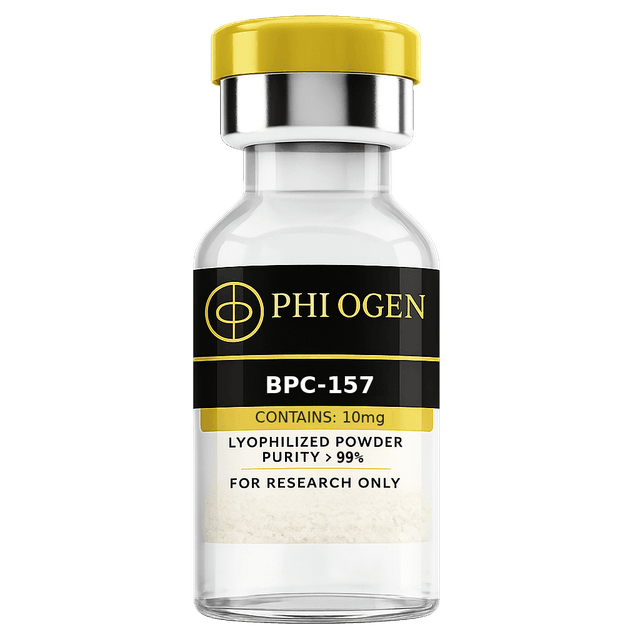
BPC-157
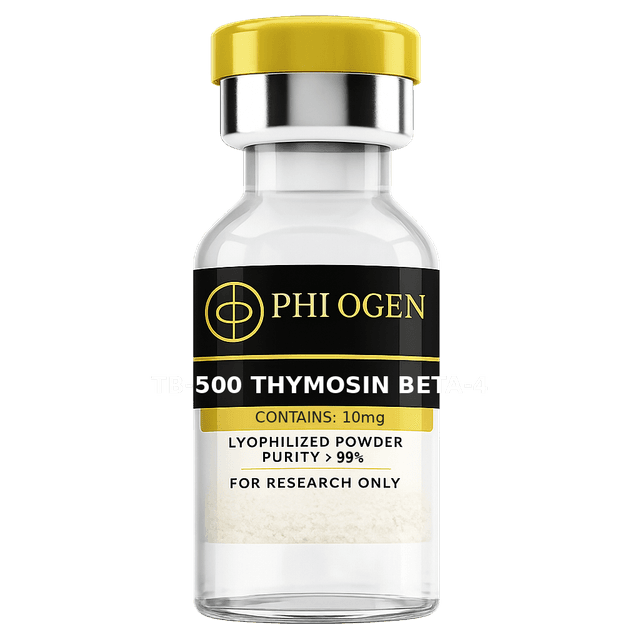
TB-500
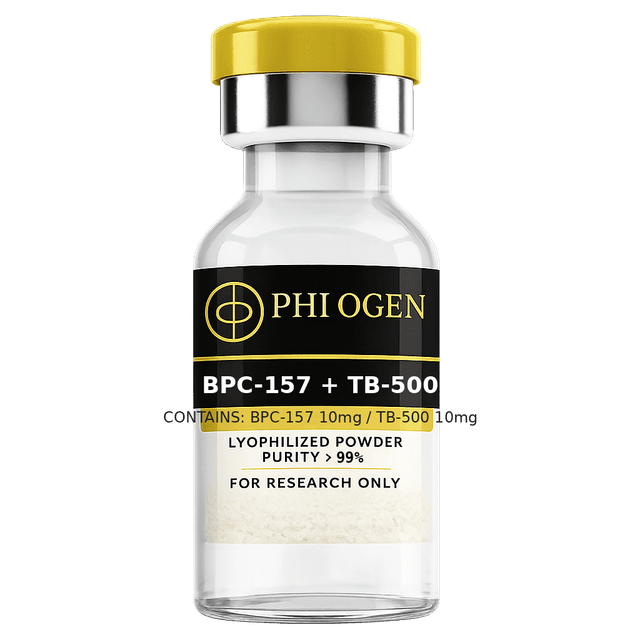
BPC+TB Blend 20mg
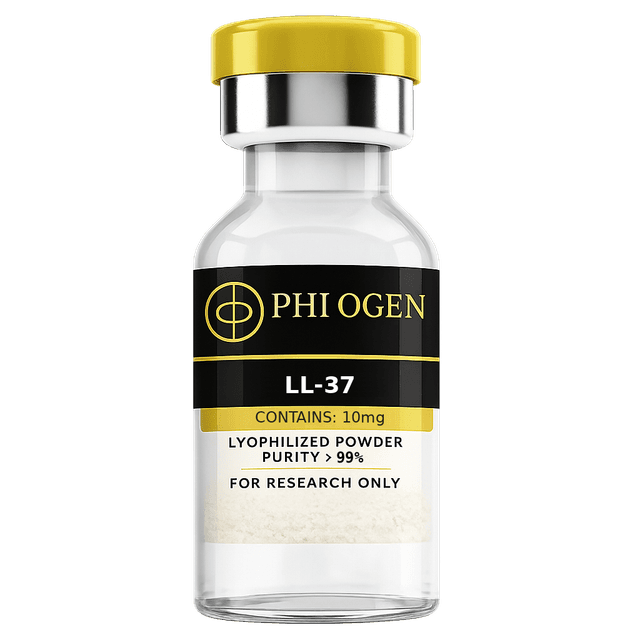
LL-37
Why Tendons Are Terrible at Healing
If you've ever tried to push through a tendon issue in the gym, you already know exactly what I'm talking about. It doesn't get better with use the way sore muscles do. It lingers for weeks, then months, then becomes that nagging background limitation that you either work around forever or address properly. The reason tendon injuries are so stubborn is rooted in basic tissue biology: tendons have drastically lower blood supply than muscle tissue, which means they receive less oxygen, less nutrient delivery, and far fewer healing cells per unit of tissue volume than virtually any other structural tissue in the body.
Tendons are composed primarily of collagen type I — tightly packed parallel collagen fibers organized to bear unidirectional loads. This structure gives tendons extraordinary tensile strength under the right conditions, but it also means they're metabolically quiet. Where muscle tissue is richly vascularized to support its enormous energy demands, tendon tissue is avascular in large portions, relying on diffusion for nutrition rather than direct blood vessel delivery. When a tendon is torn or degrades, the repair process has to work with a fraction of the cellular machinery and oxygen supply that muscle repair has available. A muscle belly tear heals in weeks; a tendon tear heals in months, if it heals cleanly at all.
The conventional medical approach to tendon injuries — rest, ice, physical therapy — addresses the symptoms and avoids further damage, but does essentially nothing to accelerate the underlying repair biology. That's not a criticism of physiotherapy, which is genuinely important for rehabilitation mechanics. It's an acknowledgment that resting a poorly vascularized tissue doesn't suddenly give it a better blood supply. The research interest in peptides for tendon healing comes from this exact gap: BPC-157 and TB-500 are not painkillers or anti-inflammatories that mask symptoms — they target the vascular biology and cellular repair mechanisms that conventional treatment largely ignores.
Healing Timeline Comparison
Approximate recovery timelines illustrating the significant difference between muscle and tendon repair, and the potential of targeted peptide protocols.
Good blood supply → fast repair
Poor vascularity → slow, incomplete repair
VEGF-driven angiogenesis + systemic TB-500 repair
Note: Timeline data is based on preclinical research models. Results are not guaranteed. For informational and educational purposes only.
BPC-157 — Angiogenesis Where It Matters Most
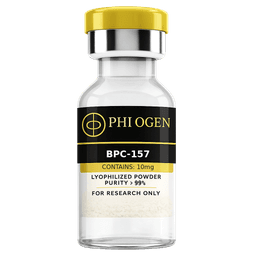
BPC-157's primary mechanism in the tendon healing context is VEGF upregulation — vascular endothelial growth factor, the signaling protein that drives the formation of new blood vessels. This is precisely the mechanism that's most lacking in tendon tissue. By potently stimulating VEGF at the site of administration, BPC-157 drives new capillary formation into tendon tissue that would otherwise remain relatively avascular and therefore poorly supported during repair. Research on surgically transected tendons in animal models has shown BPC-157-treated tendons with significantly higher vessel density at the injury site, along with measurable improvements in tendon-bone junction healing, earlier collagen organization, and functional load recovery compared to controls.
Beyond pure angiogenesis, BPC-157 modulates the growth hormone receptor in local tissue and influences the nitric oxide system, both of which contribute to an environment more conducive to structural repair. In tendon-bone junction research, it has specifically shown effects on fibroblast migration — the fibroblasts that lay down new collagen being the essential cells in tendon repair — and on the organization of that collagen into properly aligned fibers rather than the disorganized scar tissue that standard tendon healing often produces. The difference between functional tendon repair and scar tissue formation is the difference between returning to full strength and having a permanently compromised structure.
For gym athletes researching injury protocols, BPC-157's localized effect pattern means it's typically administered close to the injury site rather than at distant locations. Its ~4-hour half-life means daily administration in acute injury contexts, with the frequency determined by the research protocol being followed. It stacks naturally with TB-500, which covers the systemic repair component that BPC-157's more localized action doesn't reach.
TB-500 — Systemic Reach, Systemic Repair
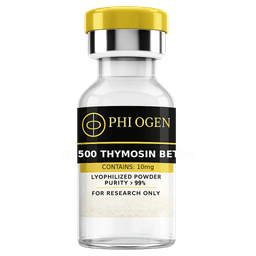
Where BPC-157 is localized — its effects concentrated at and near the administration site — TB-500 distributes systemically throughout the body after administration. Thymosin Beta-4, the naturally occurring protein it's derived from, is found in virtually every cell type in the body and plays a fundamental role in actin dynamics — the cytoskeletal process that governs cell migration, shape change, and division. TB-500's synthetic fragment retains this actin-binding activity, which enables it to facilitate cell migration to injury sites, promote muscle fiber growth, and critically for chronic injury contexts, reduce fibrosis — the deposition of disorganized scar-collagen that replaces functional tissue.
The systemic distribution of TB-500 makes it particularly useful for athletes who have multiple injury sites, chronic widespread inflammation, or impaired recovery throughout the musculoskeletal system rather than a single acute focal injury. Athletes who have been training hard for years often accumulate a collection of partially healed injuries — a shoulder that's never been quite right, a knee that complains after heavy squats, an elbow that protests pressing movements. TB-500's systemic reach means a single protocol addresses all of these repair needs simultaneously, rather than requiring localized administration at each site.
The Blend — Both in One Vial
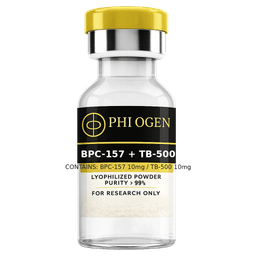
For researchers who intend to run BPC-157 and TB-500 together — which is the approach most commonly seen in the acute injury recovery literature — the pre-blended combination product is a practical convenience. Rather than reconstituting two separate vials and managing two separate dosing schedules, the blend delivers both peptides in a single administration. The 10mg blend contains 10mg BPC-157 and 10mg TB-500, covering both the local angiogenic mechanism and the systemic repair and anti-fibrotic mechanism in a single protocol element.
There are researchers who prefer running the compounds separately to maintain independent dosing flexibility — particularly those who want to administer BPC-157 more frequently than TB-500, or at different sites. The blend is ideal for those whose protocols call for simultaneous administration at matching doses. It's worth noting that both peptides are stable in the same reconstitution environment and there are no reported compatibility issues between them — making the blend a scientifically reasonable option rather than just a convenience compromise.
LL-37 and Inflammation
LL-37, the human cathelicidin antimicrobial peptide, plays a complementary role in a tendon and joint repair stack through its potent anti-inflammatory and immune modulation effects. Chronic tendinopathy — the kind of tendon degradation that accumulates over years of training — is driven in part by persistent low-grade inflammatory signaling that keeps the tissue in a state of incomplete, disorganized repair. LL-37's ability to modulate inflammatory signaling pathways, reduce pro-inflammatory cytokine production, and promote wound healing through multiple receptor mechanisms makes it a logical addition for researchers addressing the inflammatory microenvironment that often perpetuates chronic tendon issues, particularly where BPC-157 and TB-500 are addressing the structural repair biology.
Before You Train Through the Pain
Here's something I want to say directly to the gym athletes who found this page because they're dealing with an injury they've been ignoring for months: the research on BPC-157 and TB-500 is genuinely interesting, but it doesn't change the basic physics of tissue repair. These compounds work with the biology — they amplify and accelerate processes that need to happen — but they don't replace the mechanics of actual healing. You still need to reduce load on the injured structure during the acute phase. You still need to work with the tissue progressively as it heals. The peptides improve the substrate; the rehabilitation determines the outcome.
What the research does suggest is that the timeline could be significantly different with a peptide-assisted protocol versus standard rest-and-physio. Animal model data on BPC-157 and tendon healing consistently shows faster formation of organized collagen, faster vascularization at the injury site, and earlier functional recovery than controls. For a competitive athlete or someone whose training is central to their life, the difference between a six-month recovery and a two-month recovery is enormous. The research case for at minimum understanding these compounds when you're dealing with a significant tendon issue is compelling — and that's exactly what this site is here to help you do.
Explore the Healing Stack
Browse all recovery and healing products, or see the purpose-built healing stack for injury research.