
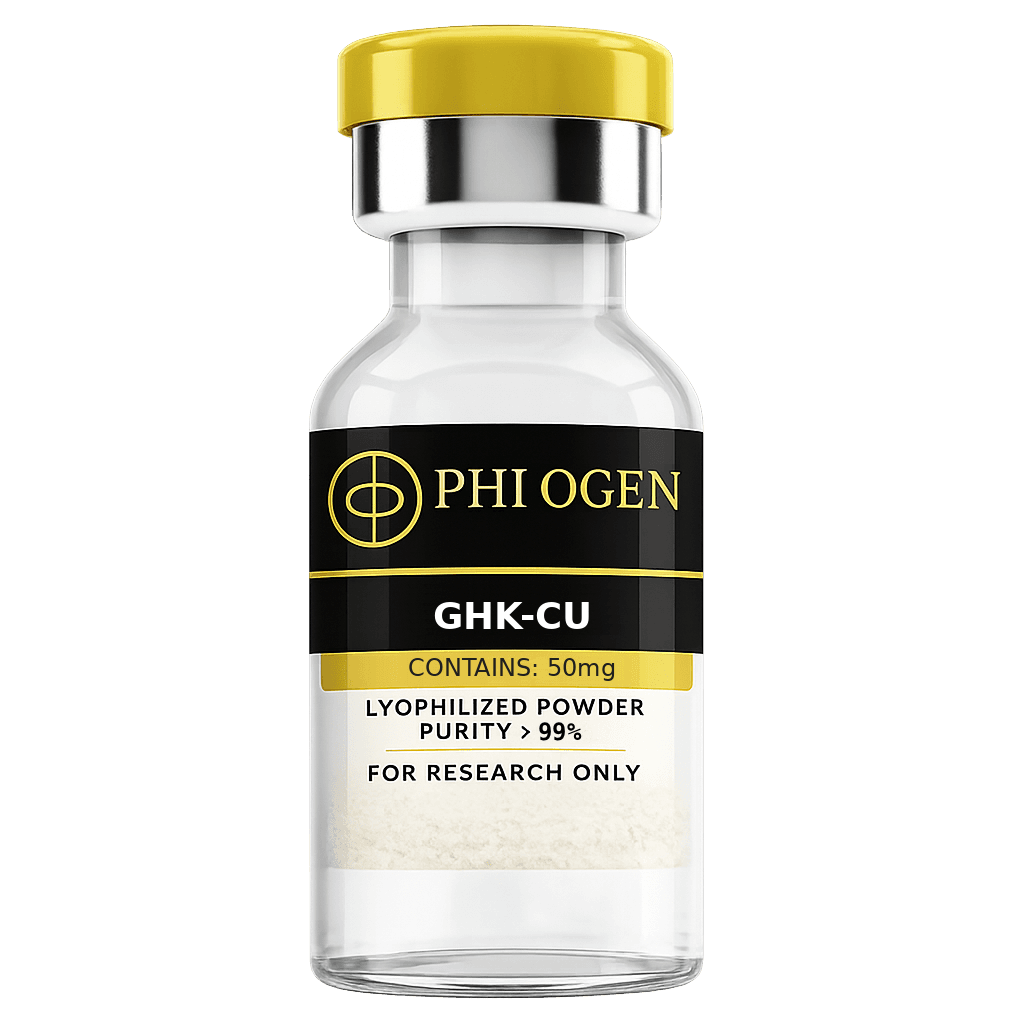
GHK-Cu 50mg
Copper peptide with powerful anti-aging, collagen synthesis, and wound healing properties.
The Science of GHK-Cu
Across senescence and longevity models, GHK-Cu (Glycyl-L-Histidyl-L-Lysine Copper) is a naturally occurring copper complex that promotes collagen and elastin synthesis, stimulates wound healing, and modulates over 4,000 human genes. It acts as a powerful anti-aging signal, reversing gene expression patterns associated with aging, while also exerting antioxidant and anti-inflammatory effects. Widely studied for skin rejuvenation, hair growth, and tissue repair.
Primary research applications for GHK-Cu include collagen and elastin synthesis promotion, wound healing acceleration, anti-inflammatory and antioxidant, gene expression modulation (4,000+ genes). As a Anti-Aging compound, it is studied in the context of anti-aging, skin, collagen — areas where its mechanism of action has the most direct relevance in preclinical models.
In standard research protocols, GHK-Cu is administered at 1–2 mg/day subcutaneous or topical, with a half-life of Short, minutes in blood. This product is supplied by Phiogen as lyophilized powder with independent third-party Certificate of Analysis (COA) documentation confirming 99%+ purity and correct molecular identity on every batch. GHK-Cu 50mg is sold strictly for laboratory and educational use only — it is not FDA-approved for human therapeutic use and is not intended for human consumption, clinical application, or use in animals.
💎GHK-Cu 50mg for Looksmaxxing
GHK-Cu is the #1 looksmaxxing peptide for skin appearance — bar none. Its ability to simultaneously increase collagen density, remodel damaged extracellular matrix, stimulate hair follicle regeneration, and modulate 4,000+ anti-aging genes makes it the foundation of any skin-focused looksmaxxing stack. In the looksmaxxing community it's paired with Epithalon for cellular anti-aging and BPC-157 for vascular support. The combination of systemic SC administration and topical application (at 2–5% concentration) is the standard approach for maximum skin improvement in appearance-focused protocols.
Frequently Asked Questions
Why does GHK-Cu require copper to be biologically active?
The copper(II) ion coordinated by GHK is essential for the complex's biological activity. Copper serves as a cofactor for numerous enzymes involved in connective tissue synthesis, including lysyl oxidase (required for collagen and elastin crosslinking) and superoxide dismutase. The GHK tripeptide acts as a bioavailable copper chaperone, delivering copper to tissue compartments in a biologically usable form and mediating copper-dependent signaling.
What is the significance of GHK-Cu modulating over 4,000 genes?
Genome-wide expression studies using Affymetrix arrays revealed that GHK-Cu influences the transcription of genes involved in tissue remodeling, inflammation, nervous system function, metabolic regulation, and cancer suppression. This broad regulatory profile led to GHK-Cu being characterized as a pleiotropic signaling molecule rather than a single-pathway agonist. The gene sets affected include pro-repair, anti-inflammatory, and antioxidant networks.
How do GHK-Cu levels change with aging and what does this suggest?
Endogenous GHK-Cu plasma concentrations decline substantially with age — approximately 60% from young adulthood to older age. This decline parallels deterioration in wound healing capacity, skin thickness, and tissue repair efficiency. Studies have hypothesized that age-related GHK-Cu reduction contributes to reduced repair signaling, and restoration via exogenous GHK-Cu administration is being explored as an approach to understanding aging-related tissue changes.
What to Expect — Visible Timeline
Earliest subjective changes — often better sleep, improved energy, minor reduction in visible inflammation.
Skin texture begins to shift. Fine-line depth starts to decrease in peri-orbital and forehead regions.
Visible firmness improvement. Collagen remodeling produces measurable change in dermal density on ultrasound imaging in research settings.
Pigmentation evens out. Hair and nail quality improvements become apparent alongside continued skin-quality gains.
Peak visible results. This is the window most research protocols target for before/after assessment and biomarker re-testing.
Dosing Protocol
Dosing information is derived from published animal studies and is provided for educational purposes only.
🔬 Mechanism of Action
GHK-Cu (glycine-histidine-lysine copper complex) is a naturally occurring tripeptide that binds copper(II) ions with high affinity and is found endogenously in human plasma, saliva, and urine. It acts as a biological signal molecule for tissue remodeling, modulating the expression of over 4,000 human genes through interaction with copper-dependent enzymes, extracellular matrix regulators, and transcription factor systems. Key activities include stimulation of collagen and elastin synthesis, matrix metalloproteinase regulation, superoxide dismutase activation, and upregulation of angiogenic and anti-inflammatory gene networks.
Key Study Findings
Shown to modulate expression of over 4,000 human genes in genome-wide expression array studies
Promotes collagen and elastin synthesis by fibroblasts in both in vitro and in vivo wound healing models
Activates antioxidant pathways including superoxide dismutase and reduces oxidative tissue damage in preclinical models
Demonstrated wound healing acceleration including re-epithelialization, angiogenesis, and collagen remodeling across multiple preclinical studies
Plasma GHK-Cu levels decline significantly with age — from ~200 ng/mL at age 20 to ~80 ng/mL after 60 — correlating with tissue repair capacity
Applications & Benefits
GHK-Cu at a Glance
Effectiveness Profile
Relative effectiveness scores derived from published preclinical literature across key endpoints.
Scores are qualitative aggregates from animal and in vitro studies and are not a medical claim. For educational purposes only.
Effect Timeline
Expected milestones based on published preclinical data.
Collagen gene upregulation begins. Cellular repair mechanisms activate; antioxidant enzymes increase.
Measurable improvements in extracellular matrix markers. Early skin and tissue quality improvements.
Skin texture and elasticity improvements in preclinical models. Collagen density increasing measurably.
Sustained telomere/collagen/structural benefits. Anti-aging mechanisms operating at full capacity.
Collagen gene upregulation begins. Cellular repair mechanisms activate; antioxidant enzymes increase.
Measurable improvements in extracellular matrix markers. Early skin and tissue quality improvements.
Skin texture and elasticity improvements in preclinical models. Collagen density increasing measurably.
Sustained telomere/collagen/structural benefits. Anti-aging mechanisms operating at full capacity.
Timelines are derived from preclinical animal studies. Individual results in laboratory settings may vary. For educational purposes only.
Reconstitution Calculator
Calculate exact BAC water volume and dose measurements for GHK-Cu 50mg.
For laboratory use only. This calculator is a reference tool — verify all calculations before use. Always use sterile technique with bacteriostatic water and sterile syringes.
Related Topics
GHK-Cu
For educational use only · Verified vendor
Quality Assurance
Related Guides
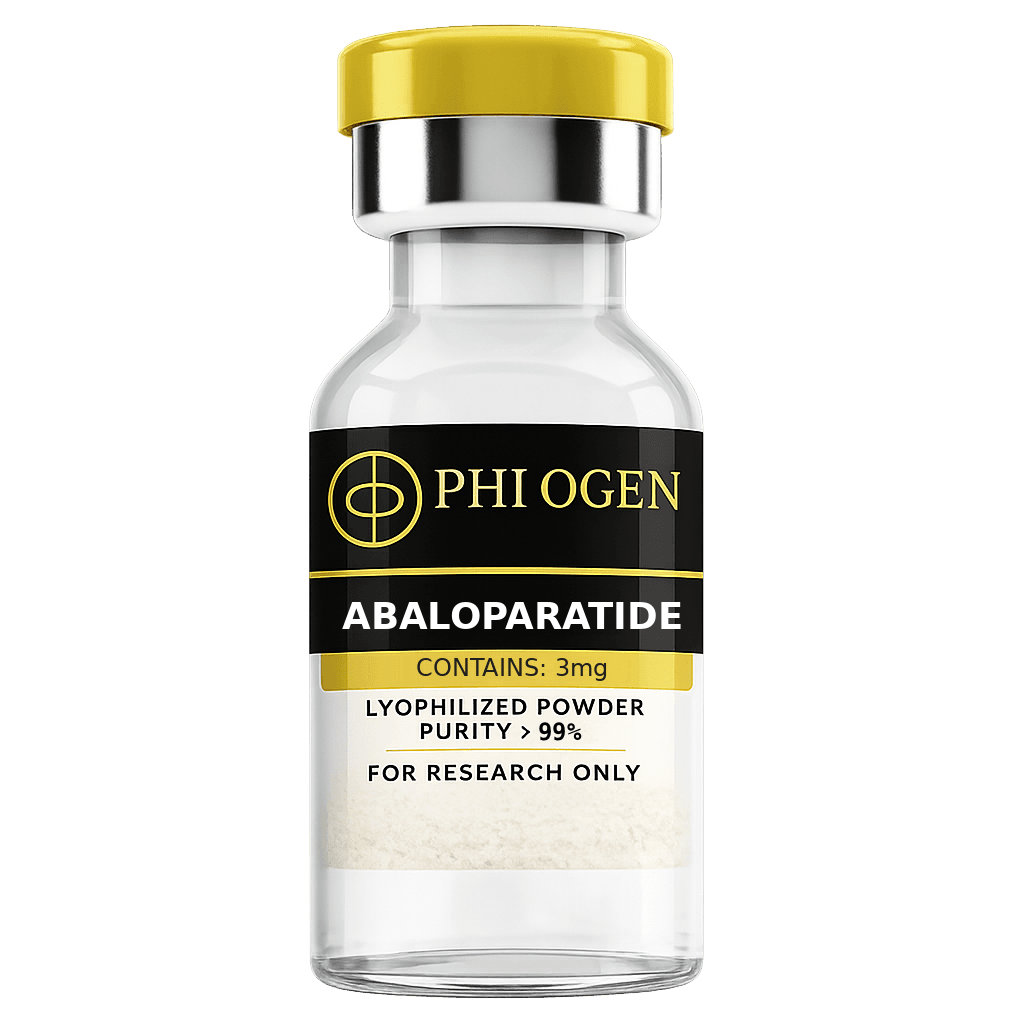
Abaloparatide 3mg
PTHrP analog for bone density, fracture risk reduction, and skeletal health.
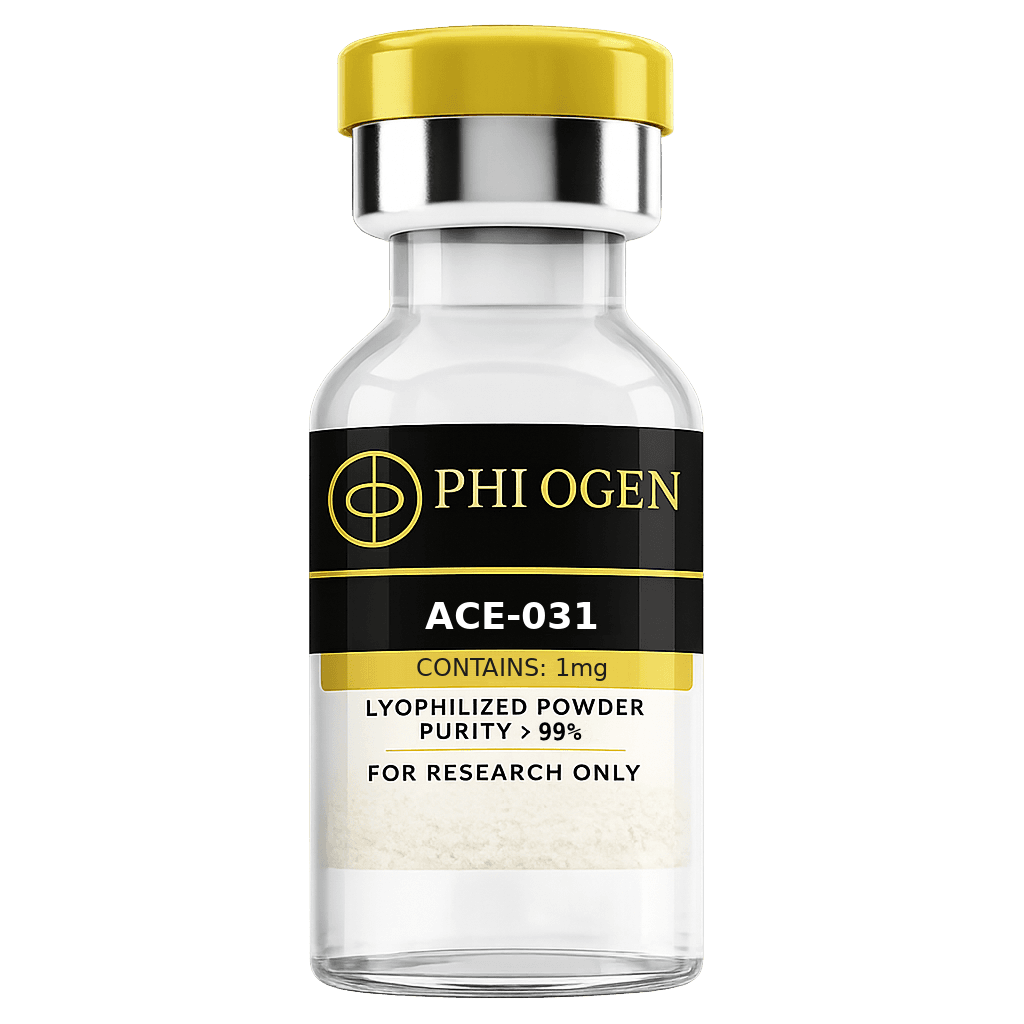
ACE-031 1mg
Myostatin inhibitor — removes the brake on muscle growth for dramatic lean mass increase.
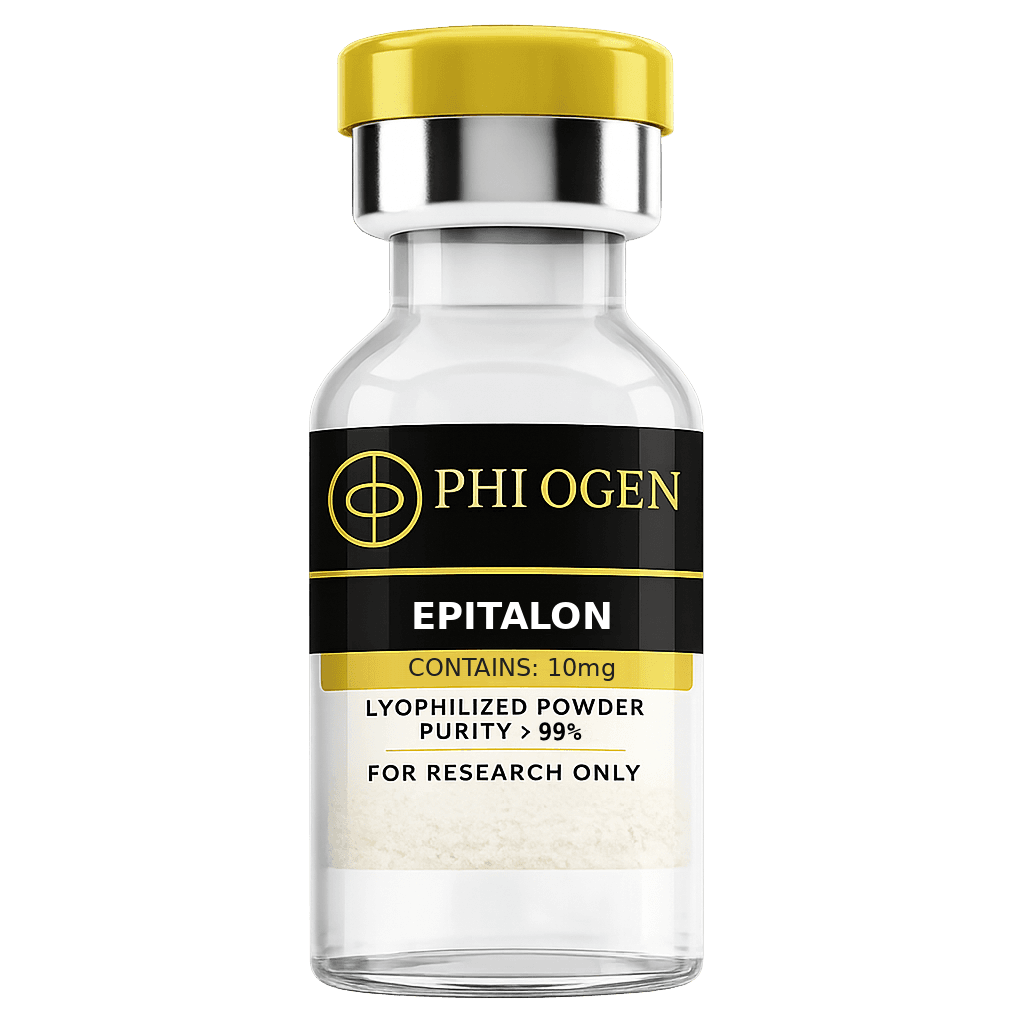
Epitalon 10mg
Epitalon 10mg — telomere-extending tetrapeptide for anti-aging and sleep quality.