
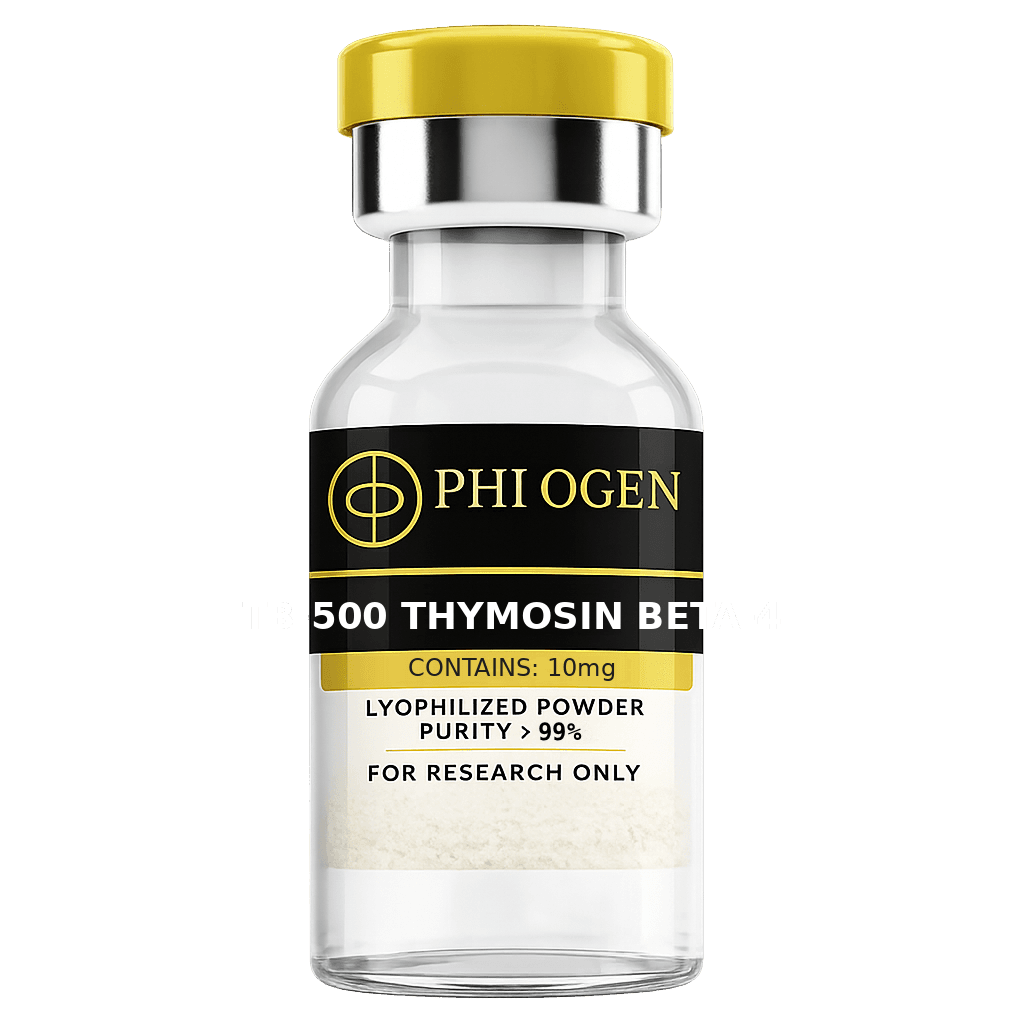
TB-500 (Thymosin Beta-4) 10mg
Thymosin Beta-4 fragment — systemic healing, flexibility, and tissue regeneration.
How TB-500 Supports Tissue Repair
In the context of musculoskeletal research, TB-500 is the synthetic fragment of Thymosin Beta-4 that distributes systemically to address tissue damage throughout the body. Its primary mechanism involves actin binding and cytoskeletal modulation — enabling cell migration, muscle fiber growth, and reduced fibrosis. Studied across skeletal muscle, tendon, cardiac, and vascular repair models.
Primary research applications for TB-500 include systemic tissue repair and cell migration, reduces scar tissue formation (fibrosis), muscle fiber growth support, cardiovascular and vascular healing. As a Healing & Recovery compound, it is studied in the context of healing, recovery, muscle — areas where its mechanism of action has the most direct relevance in preclinical models.
In standard research protocols, TB-500 is administered at 2–2.5 mg twice per week subcutaneous, with a half-life of Estimated days. This product is supplied by Phiogen as lyophilized powder with independent third-party Certificate of Analysis (COA) documentation confirming 99%+ purity and correct molecular identity on every batch. TB-500 (Thymosin Beta-4) 10mg is sold strictly for laboratory and educational use only — it is not FDA-approved for human therapeutic use and is not intended for human consumption, clinical application, or use in animals.
🔬 Mechanism of Action
TB-500's core mechanism centers on actin — the structural protein that forms the scaffolding of every cell in your body. By binding G-actin monomers (the building blocks of actin filaments), TB-500 directly influences how cells migrate and reorganize during repair. This is the fundamental cellular process underlying wound healing, tissue regeneration, and vascular remodeling. What distinguishes TB-500 from many other healing peptides is its systemic distribution profile: rather than staying localized to the injection site, studies show it circulates broadly through the body, reaching tissue compartments far from where it was administered. This makes it uniquely suited for studying injuries in areas that are difficult to inject directly. TB-500 also modulates MMP-2 (matrix metalloproteinase-2), an enzyme that breaks down and remodels the extracellular matrix — the biological scaffolding between cells. Proper extracellular matrix remodeling is what determines whether healing tissue becomes functional and flexible or stiff and fibrotic, which gives TB-500 a meaningful role in the quality — not just the speed — of tissue repair.
Applications & Benefits
Effect Timeline
Expected milestones based on published preclinical data.
Growth factor upregulation begins. Anti-inflammatory cytokine modulation and early cellular migration signals activated.
Blood vessel formation accelerates at repair sites. Measurable increase in tissue growth factor expression.
Collagen deposition and matrix remodeling underway. Structural integrity measurably improving in preclinical models.
Healing cycle completes in most preclinical models. Sustained anti-inflammatory state; functional tissue restoration.
Growth factor upregulation begins. Anti-inflammatory cytokine modulation and early cellular migration signals activated.
Blood vessel formation accelerates at repair sites. Measurable increase in tissue growth factor expression.
Collagen deposition and matrix remodeling underway. Structural integrity measurably improving in preclinical models.
Healing cycle completes in most preclinical models. Sustained anti-inflammatory state; functional tissue restoration.
Timelines are derived from preclinical animal studies. Individual results in laboratory settings may vary. For educational purposes only.
Frequently Asked Questions
Why is TB-500 described as a 'systemic' healing peptide when most peptides aren't?
Most healing peptides — including BPC-157 — tend to exert stronger effects near the administration site. TB-500's unusual property is that it distributes broadly through the body after subcutaneous injection, reaching tissue compartments far from where it was delivered. This is thought to be related to its small molecular size and its interaction with G-actin in circulating cells. The practical implication in research is that you don't need to inject near an injury site to study its effects there — which gives TB-500 protocols more flexibility than most.
What's the reasoning behind the loading and maintenance structure in TB-500 protocols?
The loading phase (typically 2–2.5 mg twice weekly for 4–6 weeks) is designed to build up sufficient levels in tissue before transitioning to a lower-frequency maintenance dose. The idea is borrowed from general pharmacokinetics: some compounds need time to accumulate before their effects become measurable, and a higher initial frequency gets you there faster. The maintenance phase (typically once weekly) then sustains that level. This loading-to-maintenance structure appears consistently in published TB-500 protocols, though specific parameters vary by study design.
How does TB-500 differ from BPC-157 if both are classified as healing peptides?
They're complementary rather than redundant — and the distinction matters for protocol design. BPC-157 drives localized angiogenesis, building new blood vessels specifically in damaged tissue. TB-500's actin-binding mechanism acts at the cellular level, influencing how cells migrate, reorganize, and rebuild structural scaffolding throughout the body. TB-500 also has a stronger cardiovascular research track record (cardiac injury, vascular remodeling) that BPC-157 doesn't cover as directly. The two are frequently studied together because they target different phases of the tissue repair cascade, making the combination more comprehensive than either alone.
Does TB-500 have any role in skin or cosmetic research?
Yes — and this is an underappreciated dimension of TB-500's research profile. Because it promotes endothelial cell migration, angiogenesis, and extracellular matrix remodeling, TB-500 has been studied in wound healing models that include skin repair and re-epithelialization. Improved vascularization and reduced fibrosis translate to better skin quality in healing tissue — less visible scarring, more supple texture. Researchers focused on skin rejuvenation and anti-aging protocols sometimes include TB-500 alongside GHK-Cu and BPC-157 for exactly this reason: each targets a different layer of the repair and regeneration process.
The Three Stages of Tissue Repair
Angiogenesis
New capillary formation at the injury site increases nutrient and oxygen delivery, accelerating the earliest phase of tissue repair.
Recruitment
Fibroblast and stem cell migration to damaged tissue lays the groundwork for structural repair and collagen deposition.
Regeneration
Collagen synthesis, extracellular matrix remodeling, and restoration of mechanical integrity close out the repair cascade.
Key Study Findings
Endothelial cell migration and new blood vessel formation significantly enhanced in wound healing models — directly improving nutrient delivery to damaged tissue
Cardiac injury models show measurably reduced inflammation and fibrosis markers after TB-500 administration, expanding its research relevance beyond musculoskeletal repair
Satellite cell (muscle stem cell) activation documented in preclinical studies, with skeletal muscle regeneration accelerated following injury
Systemic bioavailability confirmed across multiple study designs — TB-500 shows activity at tissue sites remote from the injection point, a standout characteristic among healing peptides
MMP-2 expression modulated during the remodeling phase, helping break down disorganized extracellular matrix and replace it with properly structured tissue that resists fibrosis
Flexibility and range of motion improvements observed in preclinical connective tissue models — consistent with improved tissue architecture rather than simple scar formation
Effectiveness Profile
Relative effectiveness scores derived from published preclinical literature across key endpoints.
Scores are qualitative aggregates from animal and in vitro studies and are not a medical claim. For educational purposes only.
TB-500 at a Glance
Reconstitution Calculator
Calculate exact BAC water volume and dose measurements for TB-500 (Thymosin Beta-4) 10mg.
For laboratory use only. This calculator is a reference tool — verify all calculations before use. Always use sterile technique with bacteriostatic water and sterile syringes.
Dosing Protocol
Dosing information is derived from published animal studies and is provided for educational purposes only.
Related Topics
TB-500
For educational use only · Verified vendor
Quality Assurance
Related Guides
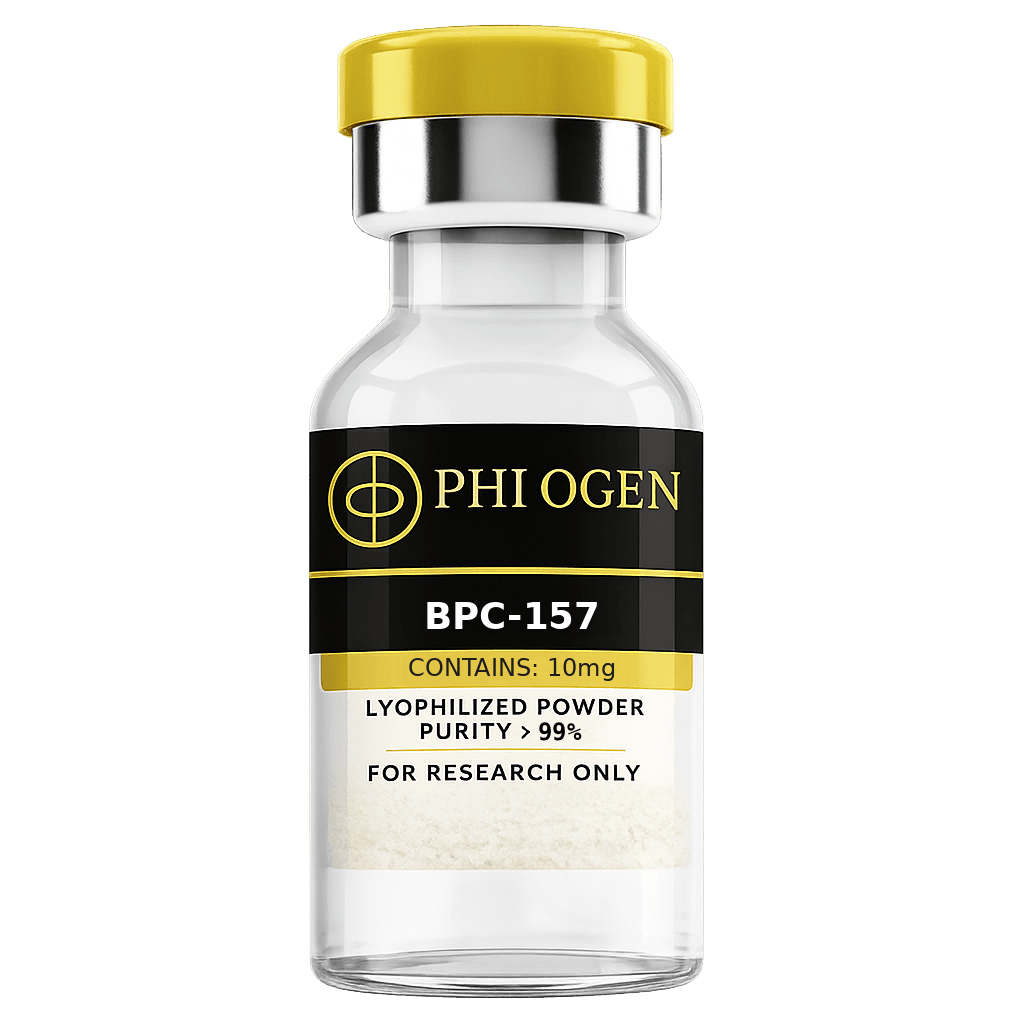
BPC-157 10mg
Body Protection Compound 157 — one of the most studied healing peptides for tissue repair and gut health.
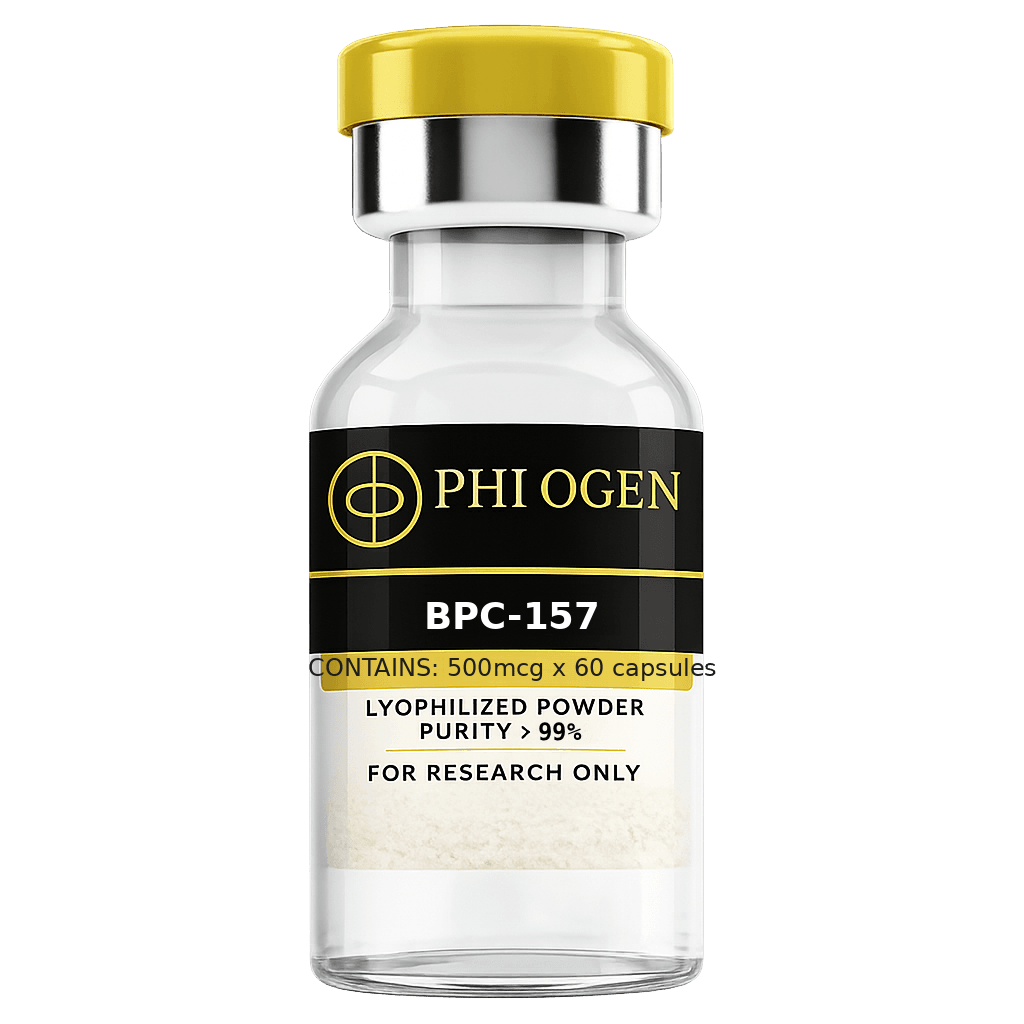
BPC-157 Capsules 500mcg x60
Oral capsule form of BPC-157 — convenient gut-targeted healing without injections.
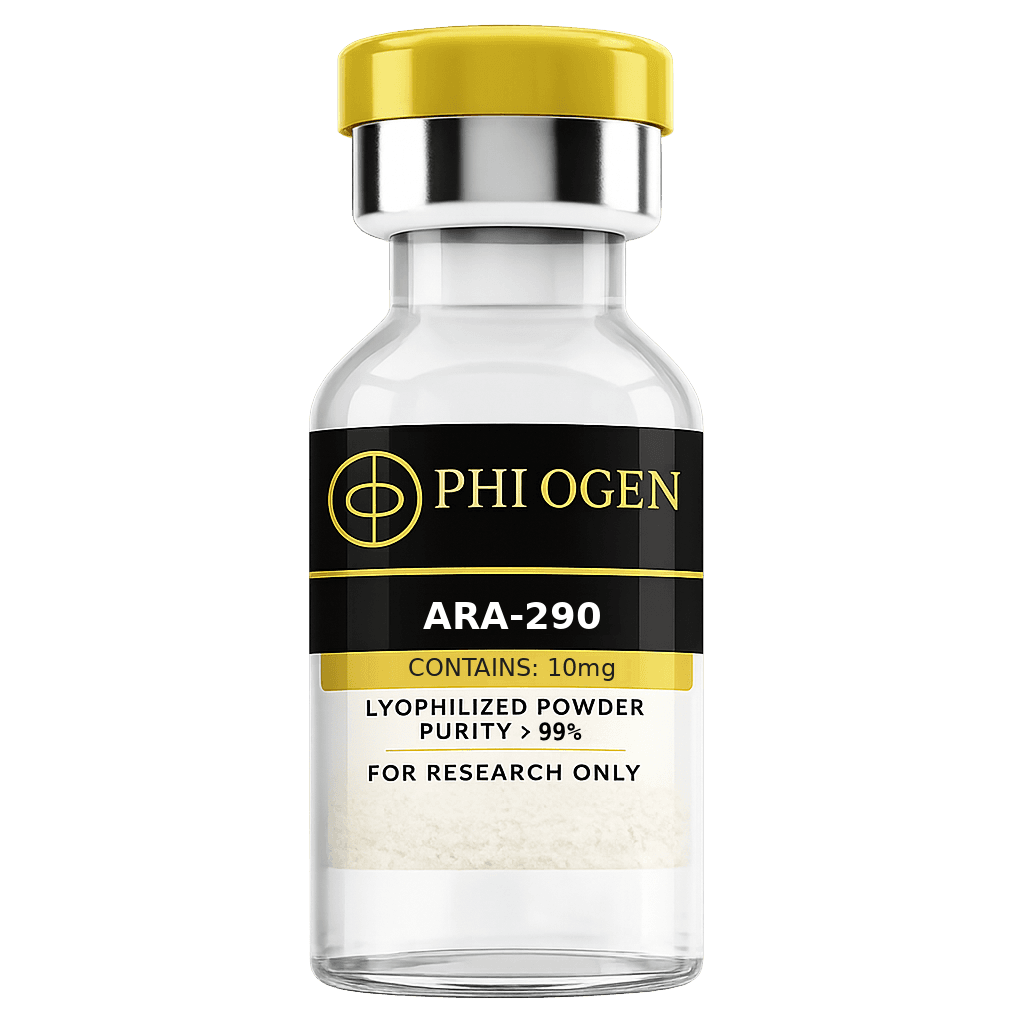
ARA-290 10mg
Erythropoietin-derived peptide studied for neuropathic pain relief and tissue repair.