
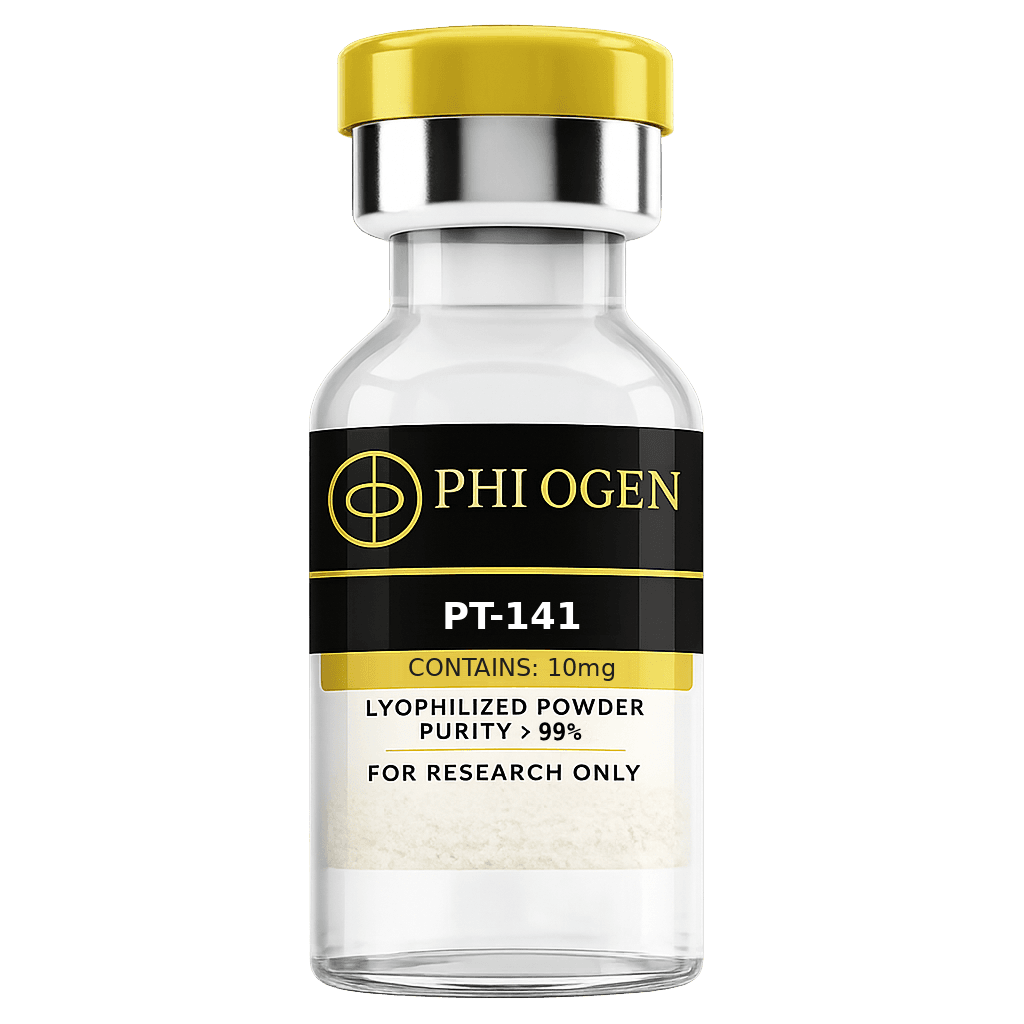
PT-141 10mg
Bremelanotide — central nervous system melanocortin agonist for sexual function.
PT-141 — Melanocortin System Research
Across melanocortin-receptor research, PT-141 (Bremelanotide) is a cyclic heptapeptide melanocortin agonist that acts centrally through the nervous system rather than the vascular system. Unlike sildenafil-type compounds, PT-141 works through MC3R/MC4R to directly activate sexual desire at the CNS level. It is the basis of the FDA-approved Vyleesi for hypoactive sexual desire disorder in women.
Primary research applications for PT-141 include central nervous system sexual function activation, effective in both male and female models, no cardiovascular mechanism required, fda-approved basis compound (vyleesi). As a Melanocortin compound, it is studied in the context of melanocortin, sexual health, libido — areas where its mechanism of action has the most direct relevance in preclinical models.
In standard research protocols, PT-141 is administered at 1–2 mg as needed, 45 minutes before, with a half-life of ~2.7 hours. This product is supplied by Phiogen as lyophilized powder with independent third-party Certificate of Analysis (COA) documentation confirming 99%+ purity and correct molecular identity on every batch. PT-141 10mg is sold strictly for laboratory and educational use only — it is not FDA-approved for human therapeutic use and is not intended for human consumption, clinical application, or use in animals.
Applications & Benefits
Key Study Findings
FDA-approved (Vyleesi) for hypoactive sexual desire disorder (HSDD) in premenopausal women, providing clinical evidence foundation
Demonstrates CNS-mediated activity on arousal independent of hormonal status in preclinical and clinical studies
MC4R activation in the hypothalamus shown to modulate dopaminergic signaling in limbic reward circuits in rodent studies
Pharmacokinetic studies show subcutaneous absorption with onset within 45 minutes and duration of 6–12 hours
Clinical trials report significant improvement in desire outcomes versus placebo in HSDD-diagnosed populations
Effectiveness Profile
Relative effectiveness scores derived from published preclinical literature across key endpoints.
Scores are qualitative aggregates from animal and in vitro studies and are not a medical claim. For educational purposes only.
Dosing Protocol
Dosing information is derived from published animal studies and is provided for educational purposes only.
Effect Timeline
Expected milestones based on published preclinical data.
Central melanocortin receptor engagement within hours. Acute libido and mood effects in preclinical models.
Melanin synthesis stimulation begins (for tanning peptides). Libido enhancement effects become measurable.
Maximum libido and pigmentation effects established in preclinical models. HPG axis stimulation measurable.
Effects sustained with reduced maintenance dosing. Hormonal balance improvements stabilize.
Central melanocortin receptor engagement within hours. Acute libido and mood effects in preclinical models.
Melanin synthesis stimulation begins (for tanning peptides). Libido enhancement effects become measurable.
Maximum libido and pigmentation effects established in preclinical models. HPG axis stimulation measurable.
Effects sustained with reduced maintenance dosing. Hormonal balance improvements stabilize.
Timelines are derived from preclinical animal studies. Individual results in laboratory settings may vary. For educational purposes only.
Reconstitution Calculator
Calculate exact BAC water volume and dose measurements for PT-141 10mg.
For laboratory use only. This calculator is a reference tool — verify all calculations before use. Always use sterile technique with bacteriostatic water and sterile syringes.
🔬 Mechanism of Action
PT-141 (bremelanotide) is a synthetic cyclic heptapeptide derived from Melanotan II, developed as a selective agonist at melanocortin receptor subtypes MC3R and MC4R in the central nervous system. Unlike PDE5 inhibitors that act peripherally on vascular smooth muscle, PT-141 acts centrally in the hypothalamus and limbic system to modulate neural pathways governing arousal and desire. Its mechanism involves activation of MC4R-expressing neurons in the medial preoptic area and paraventricular nucleus, regions with established roles in mediating motivational and hedonic aspects of reproductive behavior in animal models.
Frequently Asked Questions
How does PT-141 differ mechanistically from PDE5 inhibitors such as sildenafil?
PT-141 acts centrally in the brain, specifically at MC3R and MC4R receptors in hypothalamic regions governing desire and arousal, while PDE5 inhibitors act peripherally by relaxing vascular smooth muscle to facilitate blood flow. PT-141's CNS mechanism means it can influence motivational and desire-related aspects of behavior rather than purely vascular physiology. This distinction makes it a subject of study into desire disorders unrelated to vascular dysfunction.
What is the relationship between PT-141 and Melanotan II?
PT-141 was developed from Melanotan II (MT-2) by modifying its structure to remove melanocyte-stimulating activity while retaining and optimizing melanocortin receptor activity relevant to central arousal pathways. Specifically, removal of the MT-2 N-terminal acetyl group and cyclization modifications yielded a compound with improved selectivity for MC3R and MC4R over MC1R (the primary melanogenesis receptor). This structural refinement was the basis for PT-141's development as a targeted CNS-active melanocortin agonist.
Has PT-141 received regulatory approval?
Yes. PT-141, developed as bremelanotide (Vyleesi), received FDA approval in June 2019 for the treatment of acquired, generalized hypoactive sexual desire disorder in premenopausal women. This clinical approval followed Phase III trial data demonstrating statistically significant improvements in desire and distress scores versus placebo. The approval represents a rare example of a peptide drug approved for a CNS-mediated sexual function indication.
Related Topics
PT-141
For educational use only · Verified vendor
Quality Assurance
Related Guides
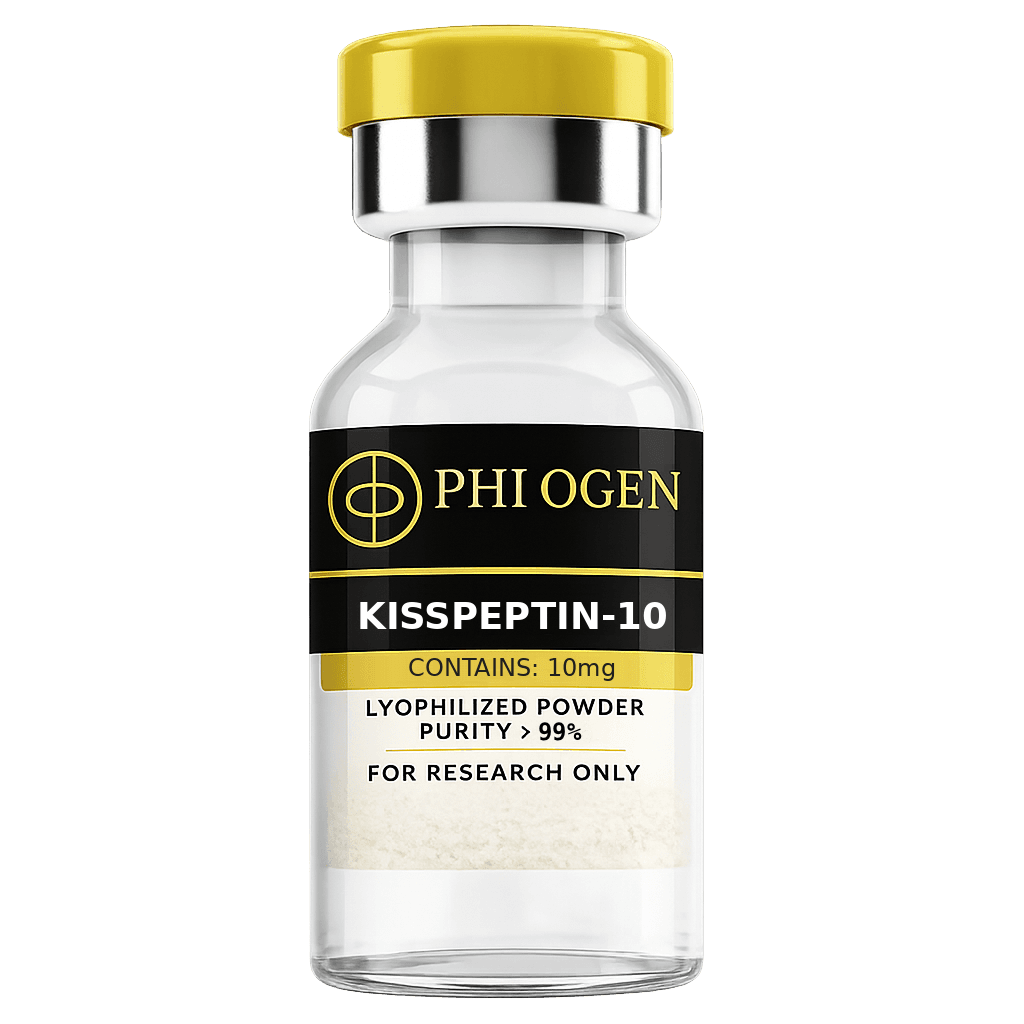
Kisspeptin-10 10mg
Hypothalamic neuropeptide for HPG axis activation, testosterone, and libido.
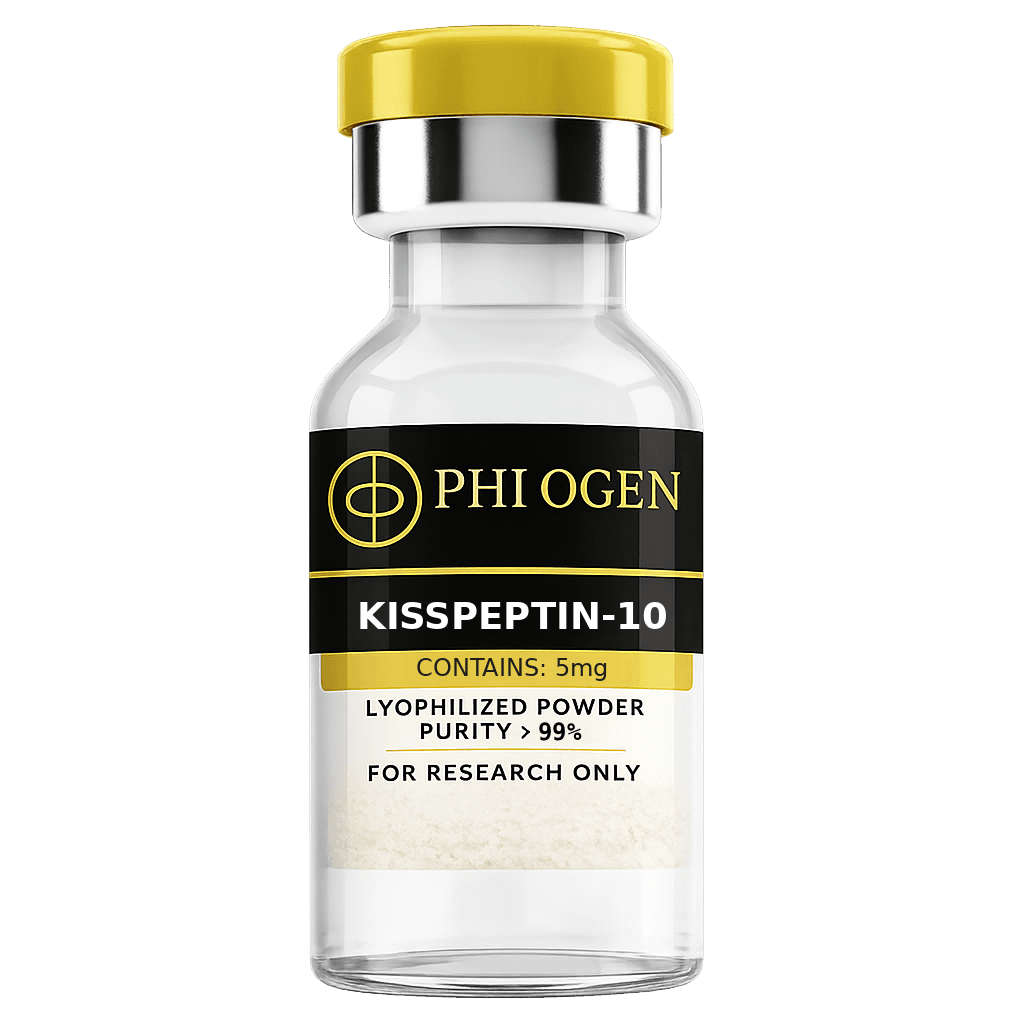
Kisspeptin-10 5mg
Kisspeptin-10 5mg — HPG axis activation and reproductive hormone regulation.
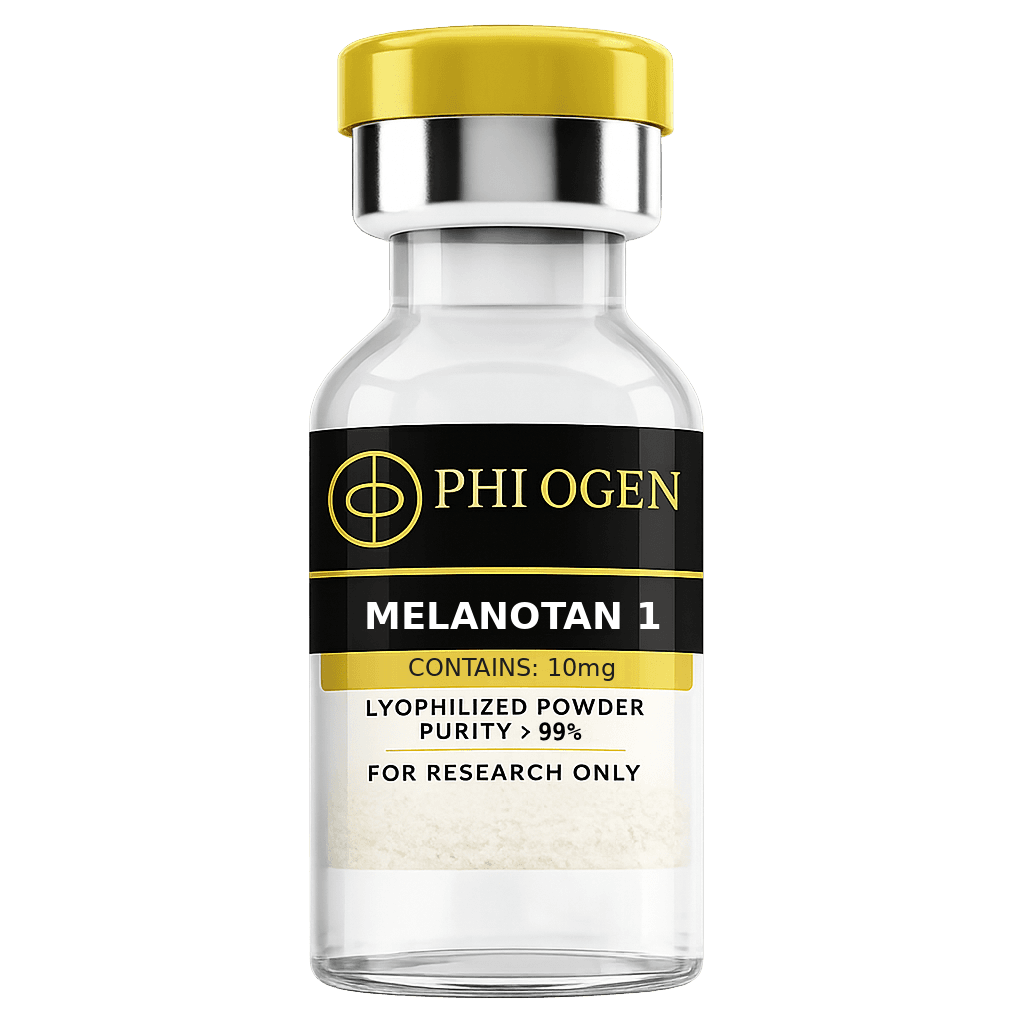
Melanotan I 10mg
Linear α-MSH analog — melanin production and UV-protective tanning without sexual side effects.