
Best Peptides for Hair Loss — Follicle Biology, Protocols & Stacks
Hair loss is driven by three converging mechanisms: androgen-mediated follicle miniaturization, reduced dermal papilla blood supply, and progressive scalp fibrosis. Research peptides address each of these pathways at the molecular level. BPC-157 rebuilds dermal papilla vascularity through VEGF upregulation. GHK-Cu enlarges follicles and extends the anagen (growth) phase through gene regulation. TB-500 combats scalp fibrosis. This guide covers the science behind each peptide and how to design a hair loss research protocol.
The Hair Growth Cycle — Peptide Intervention Points
Peptides influence different phases of the follicle cycle to promote retention and regrowth
Understanding the Hair Follicle Cycle Before Choosing Peptides
Every hair follicle cycles through three phases independently of neighboring follicles. The anagen phase (active growth) lasts 2–6 years for scalp hair and is the period during which the follicle is metabolically active, consuming oxygen and nutrients at high rates through its dense dermal papilla vascular network. The catagen phase (transitional regression) lasts 2–3 weeks and involves a programmed regression of the lower follicle as growth signals cease. The telogen phase (resting and shedding) lasts approximately 3 months, during which the old hair is retained in a club form before being displaced by the new anagen hair growing below.
Androgenetic alopecia (pattern hair loss) fundamentally works by shortening the anagen phase progressively with each hair cycle. Dihydrotestosterone (DHT) binds androgen receptors in dermal papilla cells, triggering the secretion of transforming growth factor beta-2 (TGF-β2) — a signal that induces premature catagen. Over successive cycles, follicles miniaturize (producing progressively finer, shorter, and less pigmented hairs) until the follicle eventually enters a prolonged or permanent telogen state. The critical insight for peptide research is that miniaturized but not dead follicles can potentially be reactivated if dermal papilla signaling is restored.
Two additional underappreciated drivers of hair loss are: (1) reduced dermal papilla vascularity, which impairs the oxygen and growth factor delivery that dermal papilla cells require to signal anagen; and (2) subcutaneous scalp fibrosis, where the flexible fat layer beneath the dermis is replaced by rigid collagen, mechanically compressing follicle vasculature and reducing blood flow. Both of these secondary mechanisms become increasingly important as pattern hair loss progresses and create the rationale for angiogenic peptides (BPC-157) and anti-fibrotic peptides (TB-500) as research targets.
BPC-157 — Rebuilding the Dermal Papilla Vascular Network
BPC-157's mechanism in hair loss research is primarily angiogenic. The peptide upregulates VEGF (vascular endothelial growth factor) and promotes the formation of new capillaries around hair follicles. This is directly relevant to hair loss because dermal papilla cell health and signaling capacity are tightly coupled to their vascular supply: papilla cells deprived of adequate blood flow produce reduced growth factors (including VEGF itself, FGF-7/KGF, and HGF), creating a vicious cycle where diminished blood supply leads to reduced angiogenic signaling that further reduces blood supply.
BPC-157 breaks this cycle through its potent and broad angiogenic activity. Unlike minoxidil, which acts as a potassium channel opener to non-specifically dilate blood vessels in the scalp (increasing blood flow but not new vessel formation), BPC-157 drives de novo angiogenesis — the creation of entirely new capillary networks. This is a fundamentally different mechanism that produces a more durable vascular response, as new vessels persist after peptide discontinuation in a way that vasodilation does not.
BPC-157 also modulates the nitric oxide (NO) system, which plays a significant role in follicle biology. Nitric oxide synthase is expressed in dermal papilla cells, and NO signaling has been shown to promote hair follicle cycling. BPC-157's interaction with the NO pathway may contribute to its hair follicle effects through this additional mechanism. In wound healing research, BPC-157 accelerated hair regrowth in the wound margins — an incidental observation that supports its direct effect on follicle biology.
Practical protocol considerations: BPC-157 is most commonly injected subcutaneously in the abdominal region in general healing research, but for hair-specific applications, some researchers experiment with subcutaneous injection at scalp margins or near the affected area to maximize local concentration at the target tissue. Systemic injection also produces local scalp effects through circulating VEGF upregulation.
GHK-Cu — Follicle Enlargement, Anagen Extension & DHT Modulation
GHK-Cu's role in hair biology is backed by a series of studies showing direct effects on follicle morphology and cycling. In a pivotal animal study, topical GHK-Cu applied to the scalp increased hair follicle size, density of hair follicles per unit area, and thickness of the hair shaft. Comparison with minoxidil showed that GHK-Cu produced comparable follicle stimulation at equivalent application periods. A small human pilot study by Uno and colleagues demonstrated increased hair density and hair shaft thickness following topical GHK-Cu treatment at 6 months — results that have informed the inclusion of copper peptides in many commercial hair care products.
The mechanism by which GHK-Cu stimulates follicles is multifactorial. First, GHK-Cu activates fibroblast growth factor-7 (FGF-7, also known as keratinocyte growth factor) which is one of the primary paracrine signals from dermal papilla cells to the hair matrix keratinocytes that produce the hair shaft. Increased FGF-7 signaling prolongs anagen and increases matrix cell proliferation rate, producing a thicker hair shaft. Second, GHK-Cu promotes dermal collagen and glycosaminoglycan production in the follicle sheath, improving the mechanical support structure of the follicle. Third, GHK-Cu's copper delivery activates copper-dependent enzymes including lysyl oxidase that organize the follicle's structural scaffolding.
With respect to DHT, GHK-Cu's effect is indirect but meaningful. Its transcriptomic analysis shows downregulation of genes involved in androgen signaling pathways in dermal papilla cells. It does not pharmacologically inhibit 5-alpha reductase like finasteride, but its gene regulatory effects create a less androgen-sensitive dermal papilla microenvironment. This is consistent with the observation that GHK-Cu restores some gene expression patterns in aged tissue toward those of younger tissue — including reduced androgen receptor gene expression in some models.
TB-500 & Thymosin Alpha-1 — Anti-Fibrotic Defense & Immune Regulation
TB-500 (Thymosin Beta-4) contributes to hair retention primarily through its anti-fibrotic and stem cell supporting activities. Scalp fibrosis — the replacement of the flexible galea adiposa (the fatty layer between the scalp dermis and periosteum) with rigid collagen — has been documented in biopsies of both male and female pattern hair loss. This fibrotic transformation compresses follicle vasculature and creates the characteristic scalp tightening and reduced elasticity observed in pattern hair loss. TB-500 modulates myofibroblast activity — the primary cell type responsible for pathological collagen deposition in fibrotic tissue — reducing the rate of fibrotic replacement and in some models facilitating partial fibrosis regression.
Beyond anti-fibrosis, TB-500 promotes the migration and proliferation of stem cells in the follicle bulge — the reservoir of multipotent stem cells that regenerate each hair cycle. Thymosin Beta-4 was originally identified as a thymic peptide involved in T-cell development, but its role in regulating G-actin dynamics turns out to be fundamental to almost every cell that migrates, divides, or remodels its shape. In follicle stem cells, proper actin dynamics are required for the epithelial-mesenchymal interactions that drive anagen initiation.
Thymosin alpha-1 occupies a different niche: it is an immune checkpoint peptide relevant specifically to autoimmune-driven hair loss. Alopecia areata — where CD8+ T-cells attack anagen follicles as if they were virus-infected tissue — affects approximately 2% of the population and is distinct from androgenetic alopecia in mechanism. Thymosin alpha-1 modulates the Th1/Th2/Th17 balance in ways that reduce autoreactive T-cell activity. In rodent alopecia areata models, Thymosin alpha-1 treatment reduced lesion area and restored hair growth. For non-autoimmune pattern hair loss, Thymosin alpha-1 is less directly relevant but may contribute through its anti-inflammatory effects on scalp tissue.
Hair Loss Peptide Research Protocols
| Peptide | Dose | Route | Cycle | Rationale |
|---|---|---|---|---|
| BPC-157 | 250–500 mcg/day | SC injection (scalp-adjacent) | 4–8 week cycles, 4 weeks off | VEGF upregulation → dermal papilla angiogenesis |
| GHK-Cu | 1–2 mg/day | SC injection or topical | Daily, ongoing | Follicle enlargement, anagen prolongation, DHT mitigation |
| TB-500 | 2 mg 2×/week | SC injection | 4–6 week cycles | Anti-fibrotic, actin-mediated follicle stem cell support |
| Thymosin α-1 | 1.6 mg 2×/week | SC injection | 6–8 week cycles | Immune modulation, Th1/Th2 balance, alopecia areata research |
| Epithalon | 5 mg/day | SC injection | 10-day cycles 2–3× per year | Telomere support in follicle stem cells, cellular longevity |
For educational reference only. Not medical advice.
Hair Loss Research Peptides
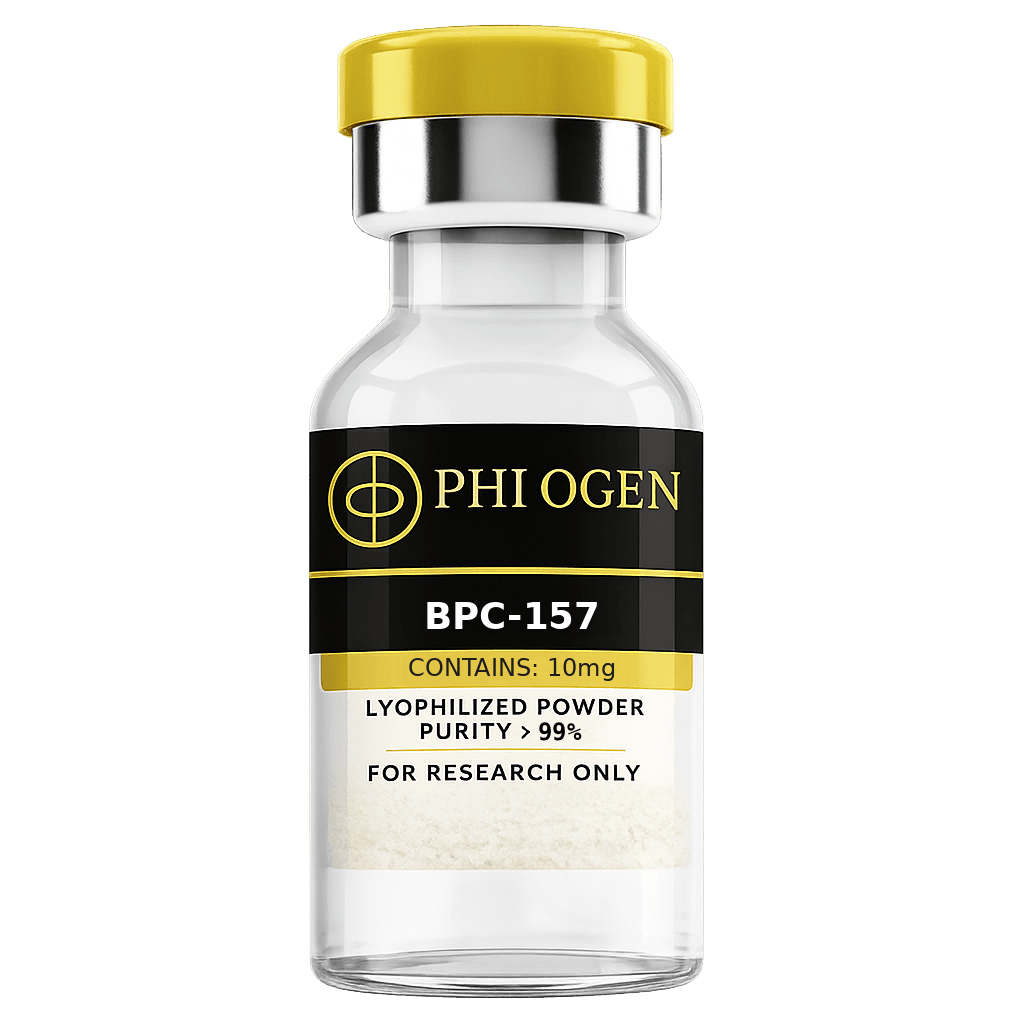
BPC-157 10mg
Body Protection Compound 157 — one of the most studied healing peptides for tissue repair and gut health.
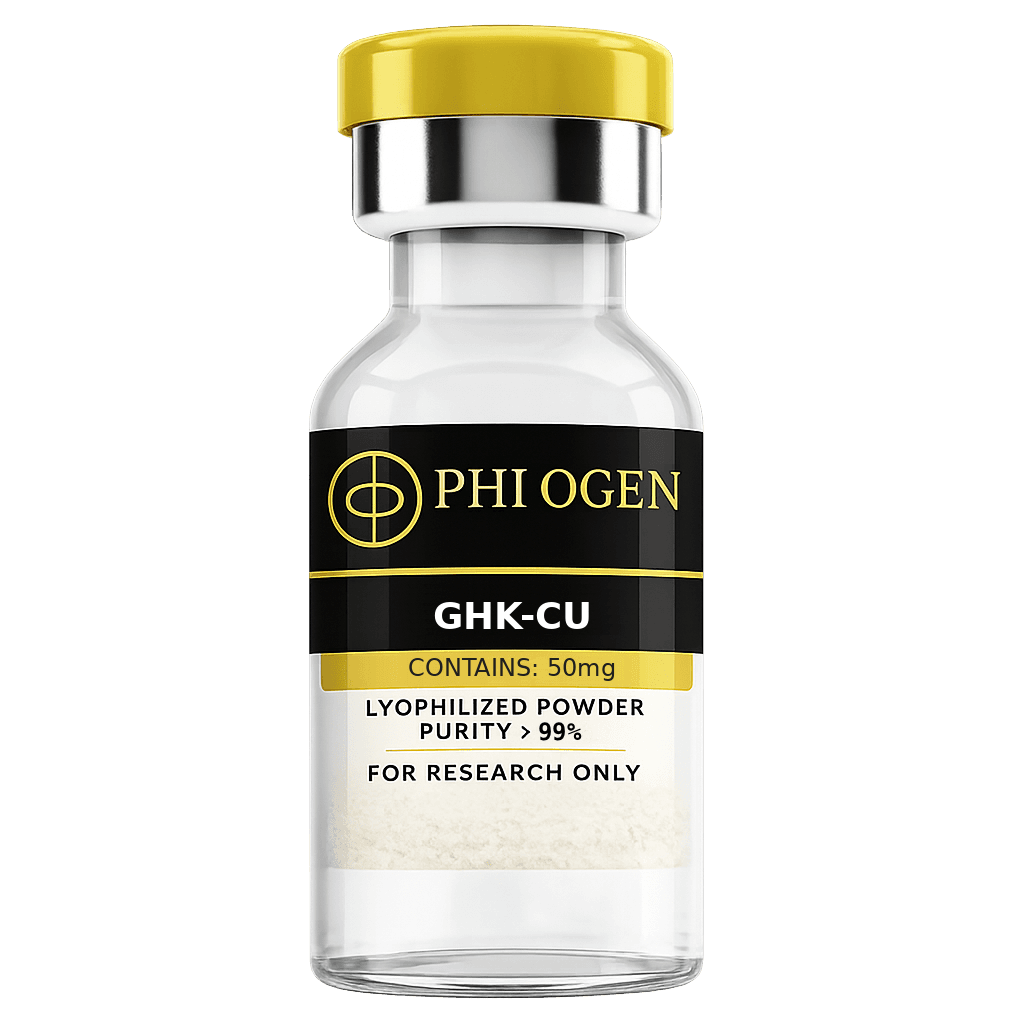
GHK-Cu 50mg
Copper peptide with powerful anti-aging, collagen synthesis, and wound healing properties.
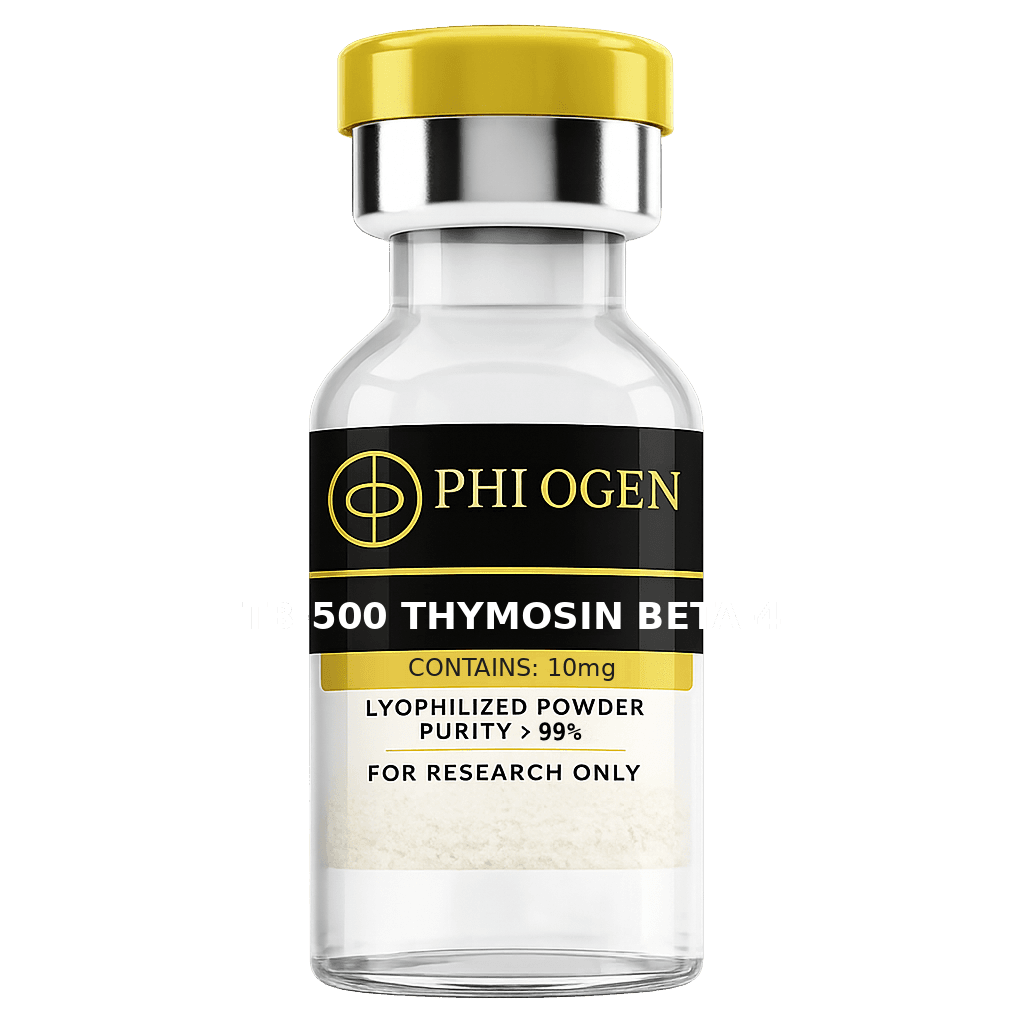
TB-500 (Thymosin Beta-4) 10mg
Thymosin Beta-4 fragment — systemic healing, flexibility, and tissue regeneration.
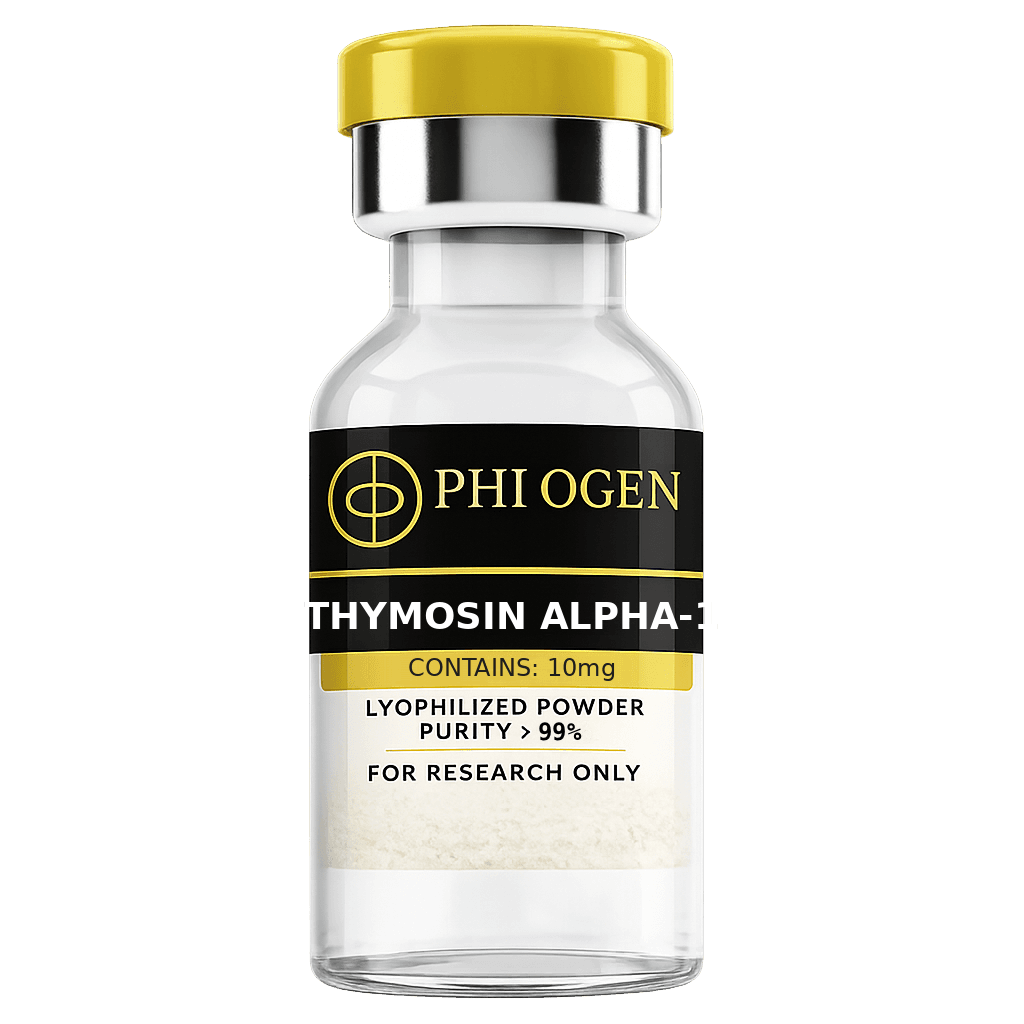
Thymosin Alpha-1 10mg
Thymic peptide for T-cell activation, immune enhancement, and adaptive immunity.
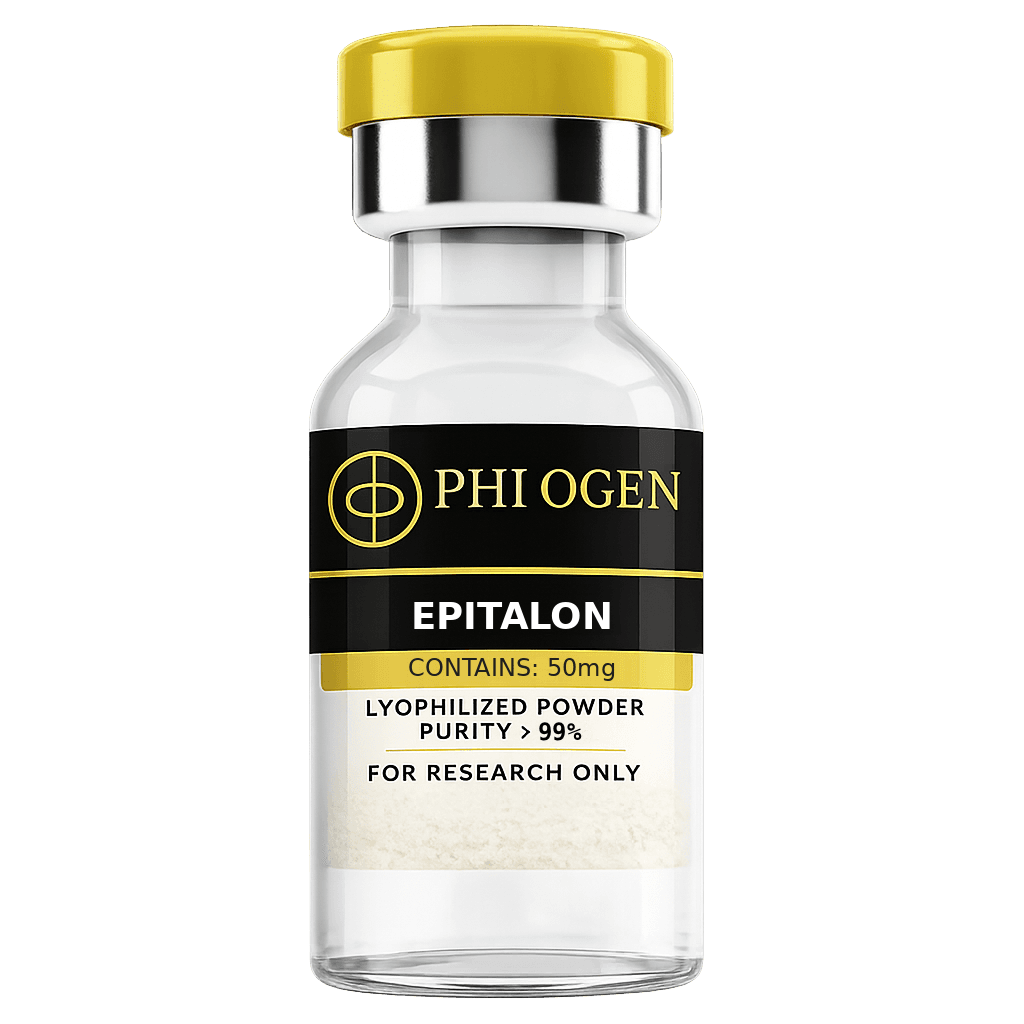
Epitalon 50mg
Tetrapeptide studied for telomere elongation, sleep quality, and longevity mechanisms.
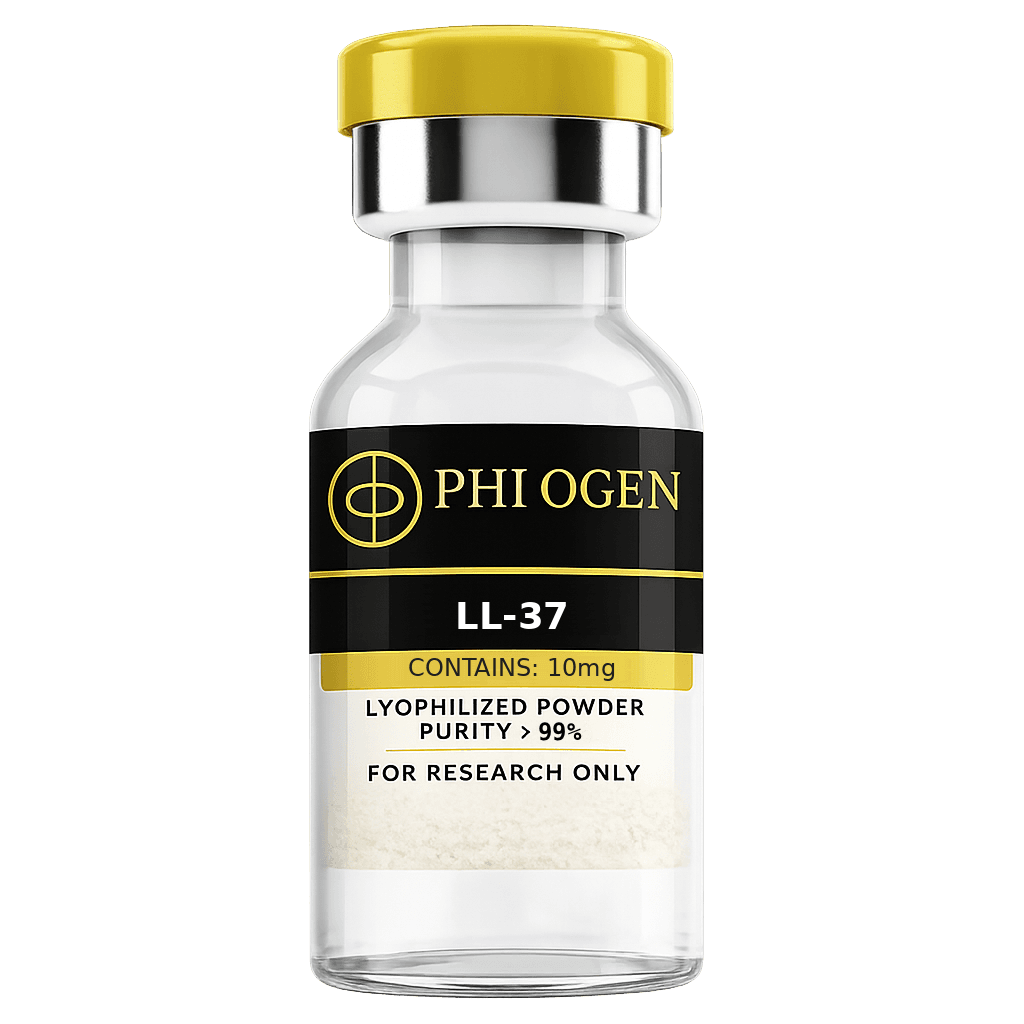
LL-37 10mg
Human cathelicidin antimicrobial peptide with immune modulation and wound healing properties.
Frequently Asked Questions
What are the best research peptides for hair loss?
BPC-157 is the most studied peptide for hair growth in animal models due to its potent VEGF-upregulation and angiogenic effects on dermal papilla cells. GHK-Cu has documented effects on hair follicle enlargement, increased follicle density, and anagen phase prolongation. TB-500 addresses scalp fibrosis — a major underappreciated driver of pattern hair loss. Thymosin alpha-1 is relevant specifically for autoimmune-related hair loss (alopecia areata).
How does BPC-157 help with hair growth?
BPC-157 upregulates VEGF (vascular endothelial growth factor) — the primary driver of angiogenesis (new blood vessel formation). The dermal papilla, the critical structure at the base of every hair follicle that signals the follicle to grow, is entirely dependent on its vascular supply. When dermal papilla vascularity is compromised — a documented feature of androgenetic alopecia — follicle miniaturization accelerates. BPC-157 stimulates new capillary formation around follicles, improving oxygenation and growth factor delivery to the papilla.
Does GHK-Cu regrow hair?
GHK-Cu has been shown in research to stimulate hair follicle enlargement and increase follicle density in rodent models. The mechanism involves its copper-dependent activation of lysyl oxidase (which organizes follicle structure), its stimulation of fibroblast growth factors that signal dermal papilla cells, and its modulation of 5-alpha reductase activity — the enzyme that converts testosterone to DHT, the primary androgen driving follicle miniaturization. While GHK-Cu is not a DHT blocker per se, its gene regulation profile shows modulation of androgen-related gene expression. Research on topical GHK-Cu vs. minoxidil showed comparable follicle stimulation.
What causes scalp fibrosis in hair loss and how does TB-500 help?
Scalp fibrosis (fibrosing alopecia) refers to the replacement of flexible adipose tissue in the hypodermis with rigid fibrous connective tissue, compressing follicle vasculature and creating mechanical barriers to nutrient delivery. This process is accelerated by chronic inflammation, excess DHT, and aging. TB-500 (Thymosin Beta-4) is anti-fibrotic: it regulates actin dynamics in myofibroblasts — the cells responsible for depositing excess collagen in fibrotic tissue — reducing their activity and preventing further fibrosis. Some researchers combine TB-500 with BPC-157 specifically for this reason.
What is the role of Thymosin Alpha-1 in hair loss?
Thymosin alpha-1 is primarily an immune-modulating peptide produced by the thymus. Its relevance to hair loss is specific to autoimmune-driven loss — alopecia areata, where T-cells attack hair follicles mistaking them for foreign tissue. Thymosin alpha-1 shifts immune balance from a Th2-dominant inflammatory state toward a Th1 regulatory state, potentially reducing the autoimmune attack on follicles. Animal models of alopecia areata showed reduced lesion severity and improved hair regrowth with Thymosin alpha-1 treatment.
Can peptides be combined with finasteride or minoxidil?
Yes, peptides and conventional hair loss treatments operate through entirely different mechanisms and are not contraindicated together. Finasteride inhibits 5-alpha reductase to reduce DHT levels (addressing the hormonal driver). Minoxidil is a potassium channel opener that increases scalp blood flow (addressing the vascular component). BPC-157 and GHK-Cu peptides address angiogenesis, follicle structural health, and cellular longevity — these are additive, not competing, mechanisms.
Are hair loss peptides safe?
All peptides on this site are research compounds for laboratory and educational purposes only. Not for human consumption. Not FDA-approved. All content is educational. Consult a qualified healthcare professional before any health decisions.