
Best Peptides for Muscle Growth — GH Axis, mTOR & Myostatin Inhibition
Research peptides for muscle growth operate through four distinct molecular mechanisms: growth hormone secretagogues (CJC-1295, Ipamorelin, GHRP-2) that amplify the pituitary GH axis; direct IGF-1 receptor agonists (IGF-1 LR3) that activate mTOR for protein synthesis; myostatin pathway inhibitors (ACE-031) that remove the primary genetic brake on muscle fiber growth; and connective tissue peptides (BPC-157, TB-500) that protect the structural scaffold from the accelerated demands of muscle growth. This guide covers the science and protocols for each.
GH–IGF-1–mTOR Pathway — Peptide Action Points
Research peptides intervene at specific nodes in the anabolic signaling cascade
GH Secretagogues — Amplifying the Pituitary Anabolic Signal
Growth hormone is one of the primary anabolic hormones in the body, driving both direct effects on muscle (nitrogen retention, amino acid uptake, reduced protein catabolism) and indirect effects through IGF-1 secretion by the liver. The challenge with exogenous GH supplementation is that it is expensive, suppresses endogenous GH production, and requires careful titration to avoid side effects including acromegalic changes, fluid retention, and insulin resistance. GH secretagogue peptides offer an alternative: rather than replacing GH, they stimulate the pituitary to produce more of its own GH in physiologic, pulsatile patterns.
CJC-1295 is a modified form of GHRH (growth hormone-releasing hormone) — the hypothalamic hormone that normally signals the pituitary to release GH. The modifications to CJC-1295 (substitution of several amino acids prone to enzymatic cleavage) extend its half-life from the ~7 minutes of native GHRH to approximately 30 minutes (CJC-1295 without DAC) or 8–12 days (CJC-1295 with DAC via albumin binding). The standard no-DAC version is preferred for physiologic GH optimization because it produces discrete, amplified GH pulses rather than the continuous supraphysiologic levels associated with DAC. CJC-1295 (no DAC) dosed 15–30 minutes before sleep has been shown to significantly increase GH pulse amplitude during the critical growth hormone surge that occurs in the first hours of deep sleep.
Ipamorelin acts through the ghrelin receptor (GHS-R1a) on pituitary somatotrophs. While ghrelin is best known as the "hunger hormone" produced in the stomach, its pituitary receptor is the most potent known stimulator of GH secretion. Ipamorelin was developed because early ghrelin mimetics (GHRP-2, GHRP-6) also significantly elevated cortisol and prolactin — hormones that counter the anabolic goals of GH optimization. Ipamorelin achieves selective GH release with minimal off-target hormone effects, making it the most refined GH secretagogue currently available for research. The CJC-1295 + Ipamorelin combination is synergistic because they act through different receptors on the same cell: CJC-1295 activates GHRH-R (increasing intracellular cAMP), while Ipamorelin activates GHS-R1a (activating phospholipase C and inhibiting somatostatin). Together, they produce significantly greater GH output than either alone.
GHRP-2 is an older, more potent GH secretagogue that does significantly elevate GH — sometimes to higher peak levels than Ipamorelin — but at the cost of more significant cortisol and prolactin elevation. For focused muscle growth protocols where short-term maximal GH elevation is prioritized, GHRP-2 may be used in combination with CJC-1295 as an alternative to Ipamorelin. The standard research protocol pairs 100 µg CJC-1295 (no DAC) with 100 µg GHRP-2 injected together subcutaneously 2–3 times daily.
Sermorelin is the oldest GH secretagogue in this class — a truncated form of GHRH comprising the first 29 amino acids (the minimum sequence needed for receptor binding and activation). Its half-life of approximately 11 minutes makes it the shortest-acting option, which some researchers prefer for its more physiologic and transient GH pulse induction. Sermorelin is best studied for its use before sleep to augment the natural nocturnal GH surge, and has a long safety record from its use in pediatric growth deficiency research dating back to the 1980s.
IGF-1 LR3 — Direct mTOR Activation for Hypertrophy
IGF-1 LR3 (Long-Arg3 IGF-1) is a modified analogue of insulin-like growth factor 1, the primary downstream mediator of GH's anabolic effects. Where GH secretagogues stimulate GH release which then travels to the liver to trigger IGF-1 secretion, IGF-1 LR3 bypasses this entire axis and delivers the muscle-building signal directly. It binds the IGF-1 receptor (IGF-1R) on muscle cells and activates the PI3K/Akt/mTOR cascade — the central signaling pathway for muscle protein synthesis and satellite cell activation.
The LR3 modification (leucine substitution at position 3 of the B-domain and a 13-amino acid extension) dramatically reduces binding to IGF-1 binding proteins (IGFBPs) that normally sequester the majority of circulating IGF-1. Native IGF-1 is approximately 90% bound to IGFBPs and has a half-life of minutes in its free form. IGF-1 LR3 has approximately 2–3% IGFBP binding affinity compared to native IGF-1, giving it a dramatically longer half-life of 20–30 hours — meaning a single injection maintains elevated IGF-1 signaling for a full day.
The anabolic mechanisms of IGF-1 LR3 are multiple: (1) it activates mTORC1 via PI3K/Akt, increasing ribosomal protein translation and muscle fiber protein accumulation; (2) it stimulates satellite cell proliferation and differentiation — the stem cell population that donates nuclei to growing muscle fibers, increasing their potential size; (3) it inhibits FOXO transcription factors that would otherwise activate muscle protein degradation pathways (atrogenes); and (4) it promotes glucose uptake via GLUT4 translocation, improving the glucose availability for muscle cell energy during high-demand growth periods.
IGF-1 LR3 is one of the highest-risk peptides in terms of potential adverse effects in research — due to its direct, unregulated mTOR activation and long half-life. Theoretical concerns include hypoglycemia (due to insulin-like receptor activation), acceleration of existing neoplastic processes, and dysregulation of other IGF-1-sensitive tissues. It is typically cycled in short 4-week periods with equal off periods and is not combined with other direct IGF-1 axis stimulators.
MK-677 — The Oral GH/IGF-1 Optimiser
MK-677 (Ibutamoren) occupies a unique position in muscle growth research: it is the only oral compound in this category that reproducibly elevates both GH and IGF-1. Developed as a non-peptide ghrelin mimetic, MK-677 activates GHS-R1a (the ghrelin receptor) in the pituitary and hypothalamus, triggering GH release while simultaneously stimulating IGF-1 secretion from the liver through downstream GH signaling. In controlled studies, 10–25 mg/day increased mean GH AUC by 40–97% and increased circulating IGF-1 by 30–72% depending on dose and population.
Several properties distinguish MK-677 from injectable GH secretagogues: (1) oral bioavailability eliminates injection burden; (2) a half-life of approximately 24 hours from a single oral dose allows once-daily dosing; (3) the increase in GH and IGF-1 is sustained (not just the transient pulse of injectable GHRPs/GHRH analogues), which may improve nitrogen retention; and (4) MK-677 uniquely stimulates GH release specifically during sleep stages, augmenting the natural nocturnal GH surge without disrupting normal GH pulse architecture.
MK-677's effect on nitrogen retention — reduction in urinary nitrogen excretion indicating preserved or increased lean mass — has been documented in both healthy young adults and elderly subjects. In a landmark catabolic prevention study, MK-677 prevented diet-induced nitrogen wasting in healthy young adults subjected to caloric restriction. For muscle growth protocols, this anti-catabolic property makes MK-677 valuable during cut phases or periods of reduced caloric intake where lean mass preservation is prioritized.
ACE-031 — Removing the Myostatin Brake on Muscle Growth
Myostatin (GDF-8) is one of the most important discoveries in modern muscle biology. Identified in 1997 by Se-Jin Lee at Johns Hopkins, myostatin is a member of the TGF-β superfamily of growth factors that acts as a potent inhibitor of skeletal muscle growth. Animals with myostatin gene knockouts develop dramatically increased muscularity — up to double normal muscle mass — without any additional training or nutrition input. Natural myostatin loss-of-function mutations have been observed in humans, cattle, dogs, and other species, always with the same phenotype: extraordinary muscularity.
ACE-031 (bimagrumab in clinical research) is a soluble form of the type IIB activin receptor (ActRIIB) fused to an Fc fragment for extended half-life. It acts as a molecular "trap" for myostatin, activin A, activin B, and GDF-11 — proteins that all bind ActRIIB and inhibit muscle growth. By sequestering these inhibitory proteins before they can reach muscle cell receptors, ACE-031 effectively removes the brakes on muscle fiber size and number. In clinical research in boys with Duchenne muscular dystrophy, ACE-031 produced a 7% increase in lean mass over 12 weeks — a remarkable result in a population with severe muscle-wasting disease. In healthy adults with hip fracture, bimagrumab increased thigh muscle volume by 7.5% over 24 weeks.
The complexity of myostatin inhibition lies in the breadth of ActRIIB's biological role: activin A and related ligands also regulate bone density, reproductive function, and adipogenesis through the same receptor. ACE-031 and bimagrumab have been associated with nosebleeds, gum bleeding, and telangiectasias in clinical trials — likely due to inhibition of activin signaling in vascular tissue. This makes it a higher-risk research compound requiring careful monitoring even in research contexts.
BPC-157 & TB-500 — Protecting Connective Tissue During Growth
One of the most practically important considerations in peptide-assisted muscle growth research is the protection of connective tissues during accelerated growth phases. As muscle mass increases — particularly when GH secretagogues are running — the forces transmitted through tendons and ligaments increase proportionally. Connective tissue adaptations (collagen remodeling, tendon hypertrophy) lag behind muscle strength gains by weeks to months, creating a window of elevated injury risk. Both BPC-157 and TB-500 address this vulnerability through complementary mechanisms.
BPC-157 promotes tendon and ligament healing through VEGF-mediated angiogenesis (improving vascular supply to the relatively avascular tendon tissue), activation of tendon fibroblasts, and modulation of growth factor receptor expression in tendon cells. It has been studied in tendon transection models, achilles tendon injury, and ligament repair with consistently accelerated healing compared to untreated controls. Pre-emptively running BPC-157 during intensive training periods may reduce injury incidence by maintaining tendon vascular health and fibroblast activity.
TB-500 (Thymosin Beta-4) modulates actin dynamics in tendon and muscle repair cells — the same mechanism that drives its anti-fibrotic activity in skin and scalp. In musculoskeletal research, TB-500 accelerated muscle fiber repair after crush injury, improved tendon healing in partial transection models, and reduced post-injury fibrosis in cardiac muscle. Its systemic distribution after subcutaneous injection means it can protect multiple connective tissue sites simultaneously — an important consideration during high-volume training phases.
Muscle Growth Peptide Research Protocols
| Peptide | Dose | Route | Cycle | Role |
|---|---|---|---|---|
| CJC-1295 + Ipamorelin | 100–200 mcg CJC + 200–300 mcg Ipa | SC injection | 12–16 weeks on, 4–8 weeks off | GH pulse optimization — primary anabolic axis |
| GHRP-2 | 100–200 mcg 2–3×/day | SC injection | 4–12 week cycles | GH secretagogue — cortisol elevation possible at high dose |
| MK-677 | 10–25 mg/day | Oral capsule | Continuous or 8 weeks on, 4 off | Oral ghrelin mimetic — GH/IGF-1 dual elevation |
| IGF-1 LR3 | 20–50 mcg/day | SC injection | 4-week cycles, 4 weeks off minimum | Direct mTOR/PI3K activation — muscle hypertrophy |
| ACE-031 | Research varies | SC injection | Short cycles, data limited | Myostatin/activin inhibitor — follistatin pathway |
| BPC-157 | 250–500 mcg/day | SC injection | 4–8 weeks on, 4 off | Connective tissue support, anti-inflammatory recovery |
| TB-500 | 2–2.5 mg 2×/week | SC injection | Loading phase 4 weeks, maintenance 1 mg/week | Actin modulation, tendon/muscle repair |
| Sermorelin | 100–200 mcg/day before sleep | SC injection | Daily, 3–6 month cycles | Physiologic GHRH analogue — sleep-stage GH release |
For educational reference only. Not medical advice. Doses reflect published research ranges.
Muscle Growth Research Peptides
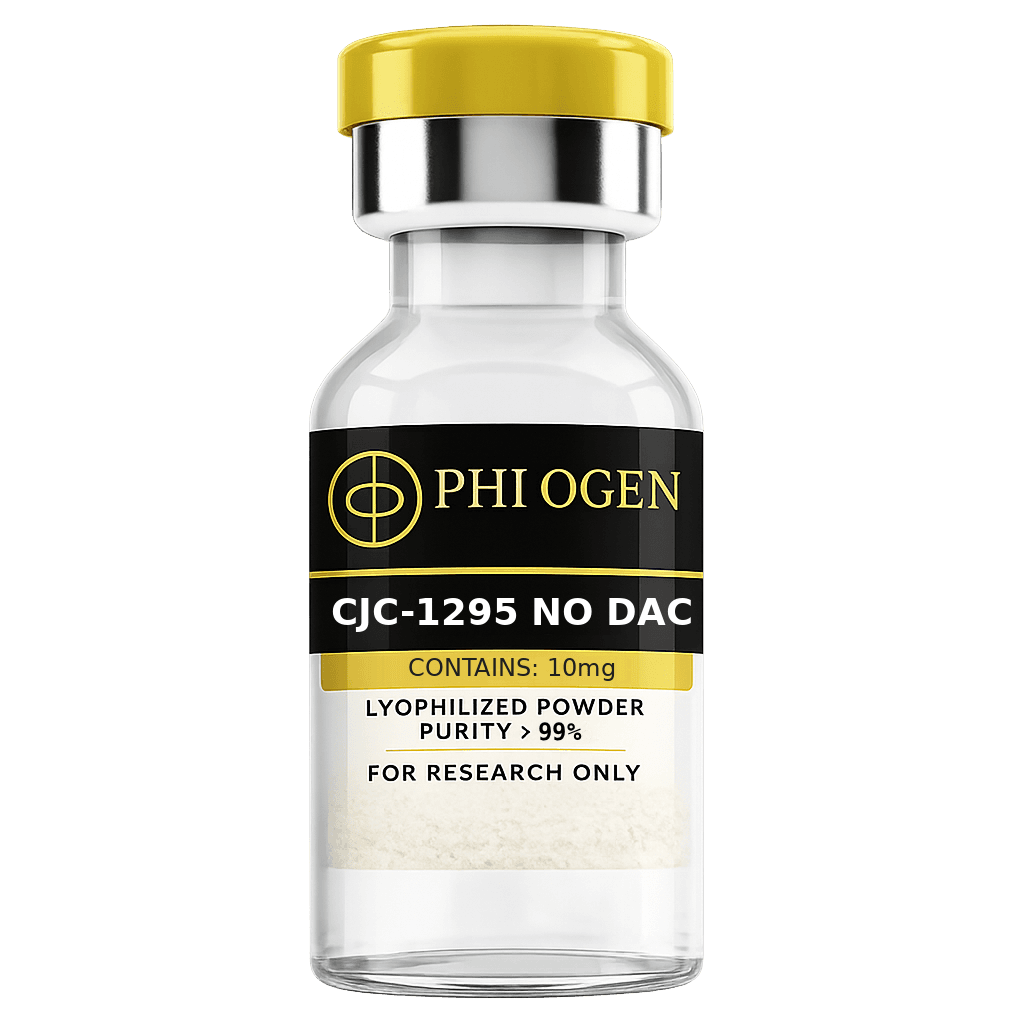
CJC-1295 No DAC 10mg
GHRH analog — stimulates natural pulsatile growth hormone release. Pairs with Ipamorelin.
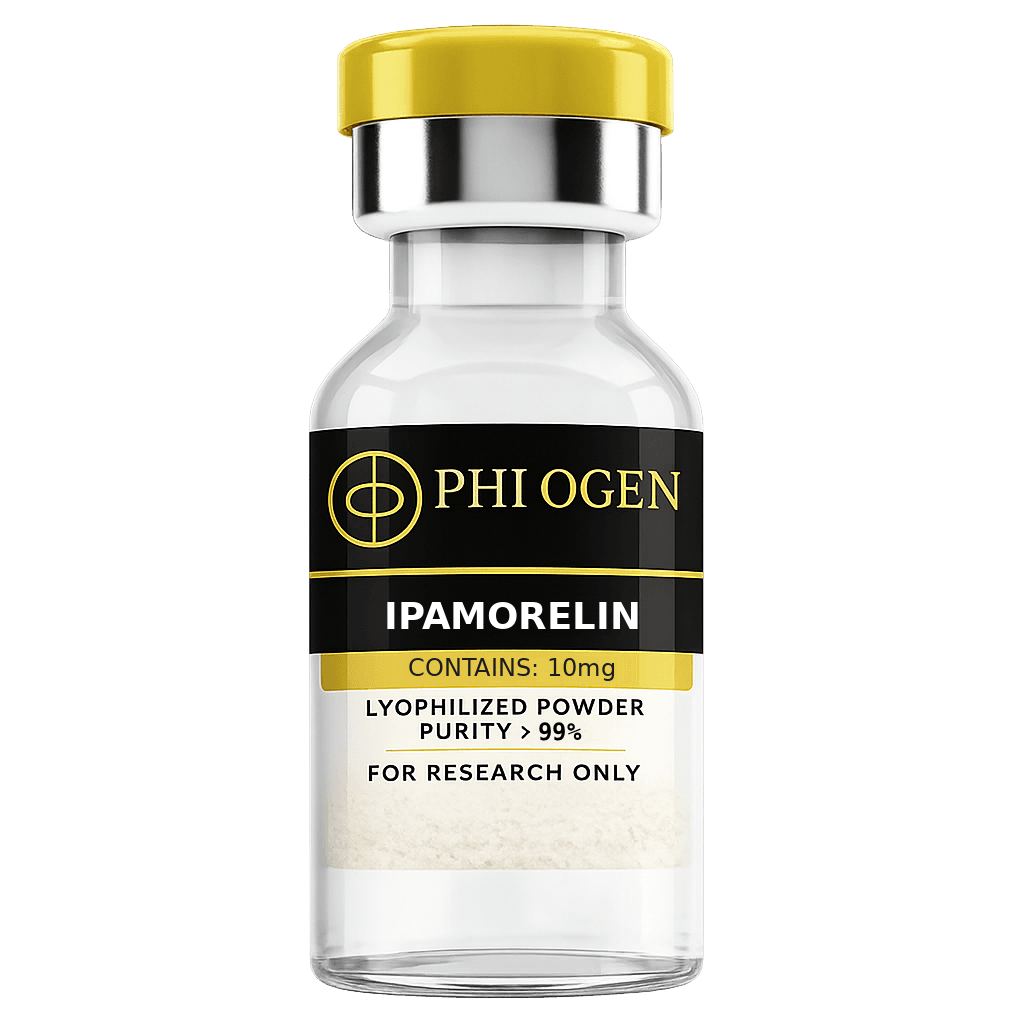
Ipamorelin 10mg
Selective GH secretagogue with minimal side effects — the cleanest GHRP available.
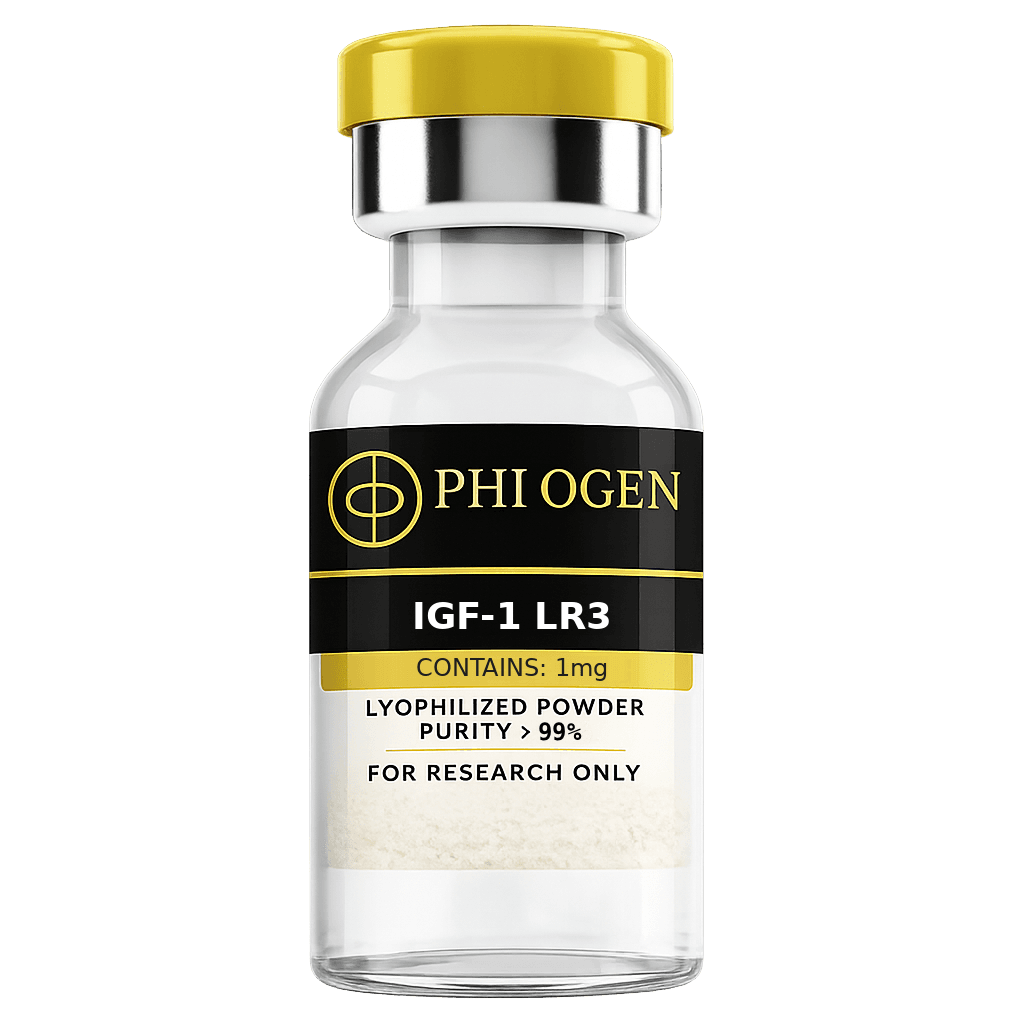
IGF-1 LR3 1mg
Long-acting IGF-1 analog — muscle hypertrophy, fat loss, and cellular repair.
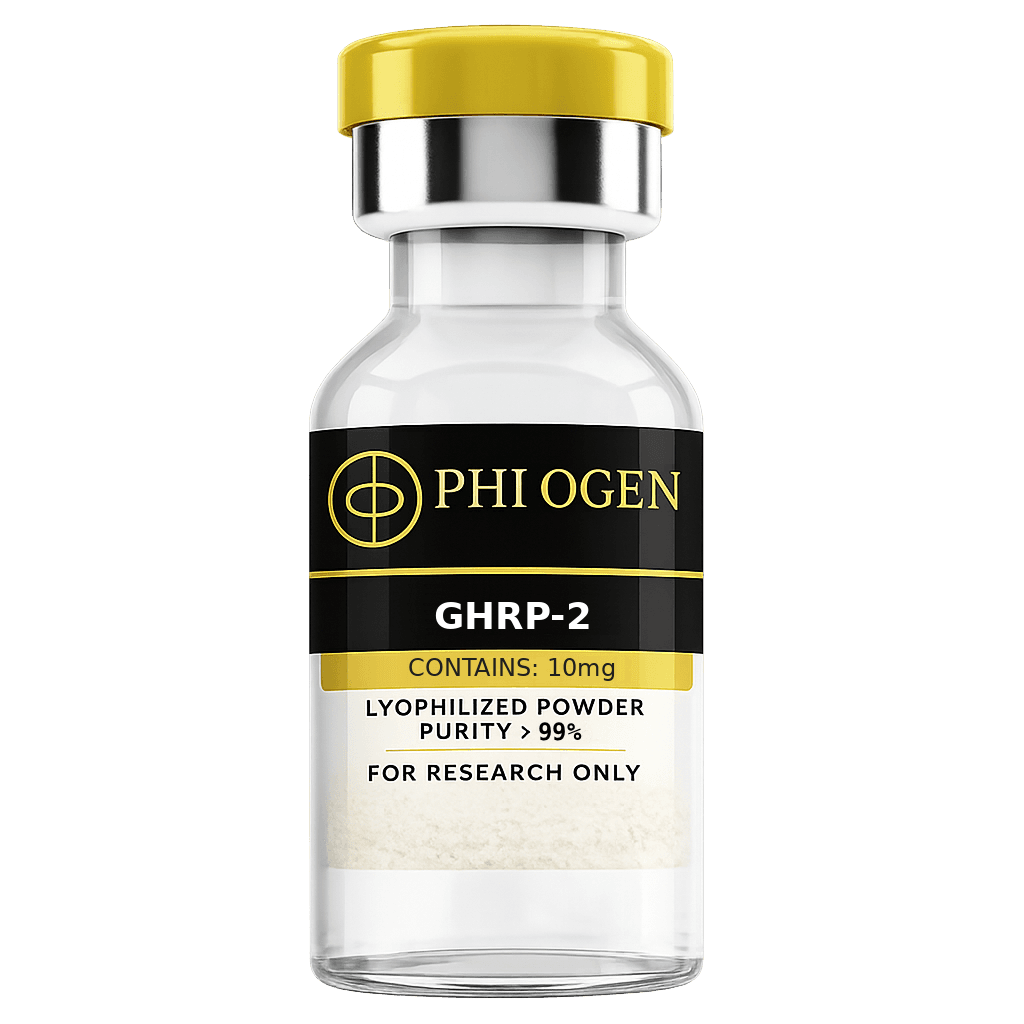
GHRP-2 10mg
Potent growth hormone releasing peptide 2 — strong GH secretagogue with immune and appetite effects.
ACE-031 1mg
Myostatin inhibitor — removes the brake on muscle growth for dramatic lean mass increase.
TB-500 (Thymosin Beta-4) 10mg
Thymosin Beta-4 fragment — systemic healing, flexibility, and tissue regeneration.
BPC-157 10mg
Body Protection Compound 157 — one of the most studied healing peptides for tissue repair and gut health.
Sermorelin 5mg
GHRH analog that stimulates natural growth hormone production for anti-aging and body composition.
Frequently Asked Questions
What are the best research peptides for muscle growth?
CJC-1295 + Ipamorelin is the gold standard combination for GH-driven muscle growth — these two peptides act synergistically through separate pituitary receptors to produce 2–10× greater GH output than either alone. IGF-1 LR3 is the most direct peptide for muscle protein synthesis, activating mTOR via the IGF-1 receptor. MK-677 is unique as an oral ghrelin mimetic that simultaneously elevates GH and IGF-1 while improving nitrogen retention. ACE-031 targets the myostatin pathway — removing the primary inhibitory brake on muscle growth.
How does CJC-1295 + Ipamorelin build muscle?
CJC-1295 binds and activates the pituitary GHRH (growth hormone-releasing hormone) receptor, amplifying both GH pulse amplitude and duration. Ipamorelin activates the ghrelin receptor (GHS-R1a) on the same somatotroph cells, amplifying GH pulse frequency. Used together, they produce synergistic GH output: GHRH signaling sets the "ceiling" of each pulse while ghrelin signaling triggers more frequent pulses. The resulting GH elevations stimulate the liver to secrete IGF-1, which then drives muscle protein synthesis, satellite cell activation, and nitrogen retention in skeletal muscle.
What is IGF-1 LR3 and how is it different from GH peptides?
IGF-1 LR3 is a modified form of IGF-1 (insulin-like growth factor 1) with an arginine substitution at position 3 and a 13-amino acid extension that reduces binding to IGF-1 binding proteins, extending its half-life from minutes (native IGF-1) to approximately 20–30 hours. While GH peptides stimulate muscle growth indirectly (pituitary → GH → liver → IGF-1 → muscle), IGF-1 LR3 acts directly on muscle cells by binding the IGF-1 receptor and activating PI3K/Akt/mTOR — the master kinase pathway for muscle protein synthesis. This bypasses the pituitary entirely, making IGF-1 LR3 additive to (not redundant with) GH peptide protocols.
What is ACE-031 and how does it affect muscle growth?
ACE-031 is a soluble receptor fusion protein (ActRIIB-Fc) that acts as a "trap" for myostatin, activin, and GDF-11 — proteins that limit muscle growth. Myostatin (GDF-8) is the most potent known inhibitor of skeletal muscle growth: animals genetically lacking myostatin develop massive muscularity. ACE-031 binds circulating myostatin before it can reach muscle cells, effectively removing the inhibitory brake on muscle fiber size and number. In clinical research in boys with Duchenne muscular dystrophy, ACE-031 produced significant increases in lean mass. The caveat is that activin inhibition also affects bone and other tissues, requiring careful monitoring.
Is MK-677 a peptide?
MK-677 (Ibutamoren) is technically a non-peptide ghrelin mimetic — a small molecule that mimics the action of the peptide hormone ghrelin at the GHS-R1a receptor. It is orally bioavailable, which distinguishes it from all injectable GH secretagogues. MK-677 stimulates GH release from the pituitary and also elevates IGF-1 levels, producing a 40–97% increase in GH AUC and a 30–72% increase in circulating IGF-1 in research studies. Its oral delivery, long duration of action (~24 hours), and dual GH/IGF-1 elevation make it the most accessible entry-point to GH optimization in research contexts.
Should I use BPC-157 and TB-500 during a muscle building protocol?
Yes — and this is one of the most rational stacking strategies in peptide research. GH-driven muscle growth accelerates protein turnover in connective tissues (tendons, ligaments, fasciae) as well as muscle fibers. The structural adaptations in connective tissue lag behind muscle strength gains, creating a period of increased injury vulnerability during aggressive growth protocols. BPC-157 promotes tendon and ligament healing via VEGF and fibroblast activation. TB-500 accelerates the migration and maturation of tendon fibroblasts via actin modulation. Running BPC-157 + TB-500 alongside a GH peptide stack is a widely studied protective strategy.
Are muscle growth peptides safe for research use?
All peptides on this site are research compounds for laboratory and educational purposes only. Not for human consumption. Not FDA-approved. IGF-1 LR3 in particular carries theoretical risks of hypoglycemia and long-term growth signaling effects and is a high-risk research compound. All content is educational only. Consult a qualified healthcare professional before any health decisions.