
Best Peptides for Skin — Collagen, Anti-Aging & Barrier Repair
Research peptides offer a mechanistic approach to skin quality that topical retinoids and antioxidants cannot match. GHK-Cu modulates over 4,000 skin genes. Epithalon activates telomerase in aging skin cells. BPC-157 and TB-500 rebuild extracellular matrix integrity from the inside. This guide breaks down the science, protocols, and stacking strategies behind the most-studied skin peptides available.
Where Skin Peptides Act
Each peptide targets distinct layers of the skin architecture
GHK-Cu — The Master Collagen Peptide
GHK-Cu (glycine-histidine-lysine copper complex) is a naturally occurring tripeptide that was first isolated from human plasma in 1973 by biochemist Loren Pickart. What makes GHK-Cu remarkable among skin peptides is its extraordinary breadth of gene regulation. Research published in the journal Biochemistry and subsequent transcriptomic analyses have shown that GHK-Cu modulates the expression of over 4,000 human genes — approximately one-third of all genes assessed on the human genome array — with the majority of these modulations trending toward the expression patterns of younger tissue.
At the structural level, GHK-Cu acts primarily through two collagen-related pathways. First, it stimulates fibroblasts — the primary collagen-producing cells in the dermis — to upregulate both collagen type I and collagen type III synthesis. Collagen type I provides the tensile strength of skin, while collagen type III is the finer "reticular" collagen that gives skin its resilience and bounce. Second, GHK-Cu simultaneously inhibits matrix metalloproteinases (MMPs), the enzymes responsible for collagen degradation. This dual action — building collagen while protecting existing collagen from enzymatic breakdown — makes it uniquely powerful compared to peptides that only stimulate synthesis.
Beyond collagen, GHK-Cu has documented effects on elastin and the extracellular matrix scaffold. Elastin fibers provide the "snap back" property of young skin; elastin production drops precipitously after the mid-twenties and is nearly absent in aged tissue. GHK-Cu research has shown increases in dermal elastin content and improved organization of the elastic fiber network. Additionally, GHK-Cu modulates decorin and versican — proteoglycans that organize collagen fiber arrangement — contributing to the smoother, denser skin structure observed in research models.
Skin thickness is another well-documented effect. Several controlled studies measuring ultrasound skin thickness before and after GHK-Cu protocols have recorded increases in dermal thickness of 20–35% in aged skin models. Thinner skin is a hallmark of photoaging and intrinsic aging; rebuilding dermal thickness is one of the most physically observable markers of skin rejuvenation. These changes are attributable to increased collagen fiber density, improved hydration via glycosaminoglycan upregulation, and reduced skin inflammation.
From an anti-inflammatory standpoint, GHK-Cu downregulates the expression of multiple pro-inflammatory cytokines including TNF-alpha, IL-6, and IL-1β. Chronic low-grade skin inflammation — sometimes called "inflammaging" — drives accelerated collagen degradation, melanin irregularities, and impaired wound healing. By dampening this inflammatory signaling, GHK-Cu creates a more favorable microenvironment for collagen synthesis and skin repair.
The copper chelate structure of GHK-Cu is critical to its activity. Free copper is toxic, but when chelated to the GHK tripeptide, it becomes bioavailable in a controlled form that activates copper-dependent enzymes including lysyl oxidase (responsible for cross-linking collagen and elastin fibers) and superoxide dismutase (a primary antioxidant defense). This makes GHK-Cu both a signaling molecule and a delivery vehicle for a catalytically essential metal.
Epithalon — Telomere Support for Skin Cell Longevity
Epithalon (Epitalon, Epithalamin) is a synthetic tetrapeptide (Ala-Glu-Asp-Gly) developed by the St. Petersburg Institute of Bioregulation and Gerontology under Vladimir Khavinson, whose decades of research on bioregulatory peptides produced some of the most compelling longevity data in the field. Epithalon's primary mechanism for skin is its ability to activate telomerase — the enzyme responsible for maintaining telomere length in dividing cells.
Telomeres are the protective caps at the end of chromosomes. With each cell division, telomeres shorten slightly, and when they reach a critically short length, cells enter senescence or apoptosis. In skin, this is most visible in the epidermal layer where keratinocytes continuously divide to replace shed cells. As keratinocyte telomeres shorten with age, cell division slows, the epidermis thins, wound healing decelerates, and the skin's barrier function deteriorates. By activating telomerase, Epithalon extends cellular lifespan in dividing epidermal cells — directly addressing the root cause of cellular skin aging rather than merely correcting its symptoms.
Khavinson's research demonstrated that Epithalon activates telomerase in human somatic cells that normally lack significant telomerase activity, extends the Hayflick limit (the number of times a normal human cell can divide), and normalizes circadian rhythm disruptions that correlate with accelerated aging. In human clinical studies with elderly populations, Epithalon protocols were associated with improved biomarkers of cellular aging, better immune function, and reduced incidence of age-related conditions over long follow-up periods.
For skin specifically, Epithalon's cellular rejuvenation effects compound over repeated 10-day cycles. The standard research protocol — 5 mg/day for 10 consecutive days, repeated 2–3 times per year — is designed to boost telomerase activity in a pulsed fashion, avoiding the theoretical concern of continuous telomerase activation. The result over 12–24 months of cycling is a gradual improvement in the functional age of skin cells, reflected in improved skin texture, more even pigmentation, and better repair capacity after UV or environmental damage.
BPC-157 & TB-500 — Healing, Angiogenesis & Barrier Repair
BPC-157 (Body Protection Compound 157) is a 15-amino-acid peptide derived from a gastric juice protective protein in humans. While it is best known for musculoskeletal healing, its effects on skin repair are equally well-documented and mechanistically distinct from those of GHK-Cu. BPC-157 is a potent angiogenic peptide: it upregulates VEGF (vascular endothelial growth factor) and drives the formation of new capillaries in the dermis, improving skin oxygenation and nutrient delivery to active fibroblasts. In wound healing research, BPC-157 accelerated full-thickness skin wound closure at doses as low as 10 µg/kg, outperforming controls in re-epithelialization speed, collagen organization, and scar quality.
Beyond wound healing, BPC-157 modulates inflammatory signaling in skin by dampening NF-κB pathway activity — the master transcription factor for pro-inflammatory cytokines. This anti-inflammatory action is relevant not only for acute wounds but for the chronic low-grade inflammation that underlies photoaging, acne, rosacea, and accelerated skin aging. In gut-skin axis research, BPC-157's systemic anti-inflammatory effects have shown secondary improvements in inflammatory skin conditions, suggesting systemic benefit beyond the site of injection.
TB-500 (Thymosin Beta-4 fragment) acts via a different but complementary mechanism: it binds G-actin monomers and regulates actin polymerization dynamics in cells. In skin, this translates to faster migration of keratinocytes and fibroblasts into wound beds — critical for re-epithelialization. TB-500 also has anti-fibrotic properties, meaning it reduces excessive collagen cross-linking (fibrosis) that produces thick, inelastic scar tissue. By promoting organized collagen deposition rather than haphazard scar formation, TB-500 improves the long-term structural quality of healed skin.
The TB-500 + BPC-157 combination creates an additive healing environment: BPC-157 drives vascularization and anti-inflammation while TB-500 accelerates cellular migration and prevents fibrosis. Together, they address the full healing cascade — from initial angiogenic response through organized tissue remodeling — making this duo valuable for skin recovery protocols following procedures, trauma, or chronic inflammatory skin conditions.
LL-37 — Antimicrobial Defense & Skin Microbiome Balance
LL-37 is the only member of the cathelicidin family expressed in humans and one of the body's front-line antimicrobial peptides. Produced by neutrophils, macrophages, and keratinocytes in response to infection or injury, LL-37 disrupts bacterial membranes through amphipathic helix insertion — a direct physical mechanism that is not subject to antibiotic resistance. In skin specifically, LL-37 is critical to maintaining the microbiome balance that prevents acne-associated dysbiosis, folliculitis, and superficial skin infections.
Beyond antimicrobial action, LL-37 has significant immunomodulatory roles in skin. It promotes keratinocyte proliferation and migration, supporting barrier reconstitution after injury. It modulates the activity of dendritic cells and T-cells in the skin, contributing to proper immune surveillance without excessive inflammatory activation. Deficiency or dysfunction of LL-37 has been associated with atopic dermatitis, rosacea, and impaired wound healing, supporting its role as a key regulator of skin homeostasis.
In looksmaxxing contexts, LL-37 is most relevant for those dealing with persistent acne, folliculitis, or any skin condition related to microbial dysbiosis. Its ability to reduce Cutibacterium acnes overgrowth — the primary driver of acne vulgaris — without the systemic side effects of antibiotics makes it an interesting research target for skin clarity optimization.
Skin Peptide Research Protocols
| Peptide | Dose | Route | Cycle | Timing |
|---|---|---|---|---|
| GHK-Cu | 1–2 mg/day | SC injection | Daily, ongoing or 3 months on/1 off | Morning or evening |
| Epithalon | 5 mg/day | SC injection | 10-day cycles, 2–3× per year | Morning |
| BPC-157 | 250–500 mcg/day | SC injection | 4–8 week cycles | Morning fasted |
| TB-500 | 2–2.5 mg 2×/week | SC injection | 4–6 week loading, then maintenance | Post-workout or morning |
| LL-37 | 25–100 mcg per site | SC or intradermal | 2–3× per week for 4–6 weeks | Evening |
Doses reflect ranges used in published research models. For educational reference only. Not medical advice.
Skin Peptide Stacking Strategy
The most logical entry-point stack for skin-focused research is GHK-Cu + Epithalon. GHK-Cu provides daily ongoing support for collagen synthesis and anti-inflammatory defense while Epithalon's quarterly cycles address the cellular aging component. This two-peptide combination covers both the structural (extracellular matrix) and cellular (telomere/longevity) dimensions of skin aging simultaneously — mechanisms that are additive because they operate through non-overlapping pathways.
A more comprehensive four-peptide stack adds BPC-157 as a pulsed cycle (4–8 weeks on, 4–8 weeks off) for its angiogenic and anti-inflammatory contribution, and LL-37 for microbiome and barrier support. BPC-157 particularly complements GHK-Cu because GHK-Cu drives collagen production while BPC-157 drives the vascularization that supplies oxygenated blood to active fibroblasts — the two interventions are synergistic at the tissue architecture level.
Stacking priority for beginners: start with GHK-Cu alone for 8 weeks to establish a baseline, then add Epithalon for the first 10-day cycle. Assess skin quality changes (texture, pore size, fine lines) before adding BPC-157. This sequential approach allows you to attribute any observed changes to specific compounds and adjust accordingly.
Skin Peptides Available for Research
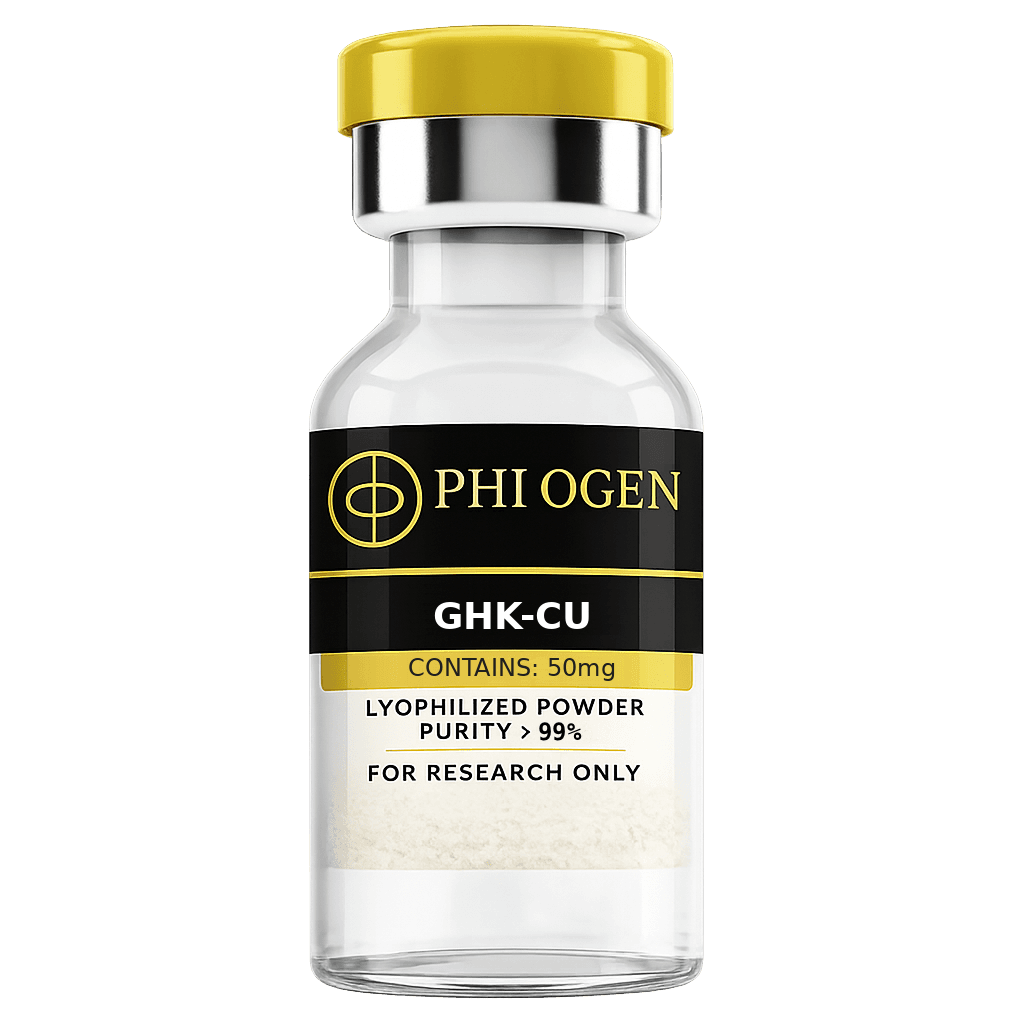
GHK-Cu 50mg
Copper peptide with powerful anti-aging, collagen synthesis, and wound healing properties.
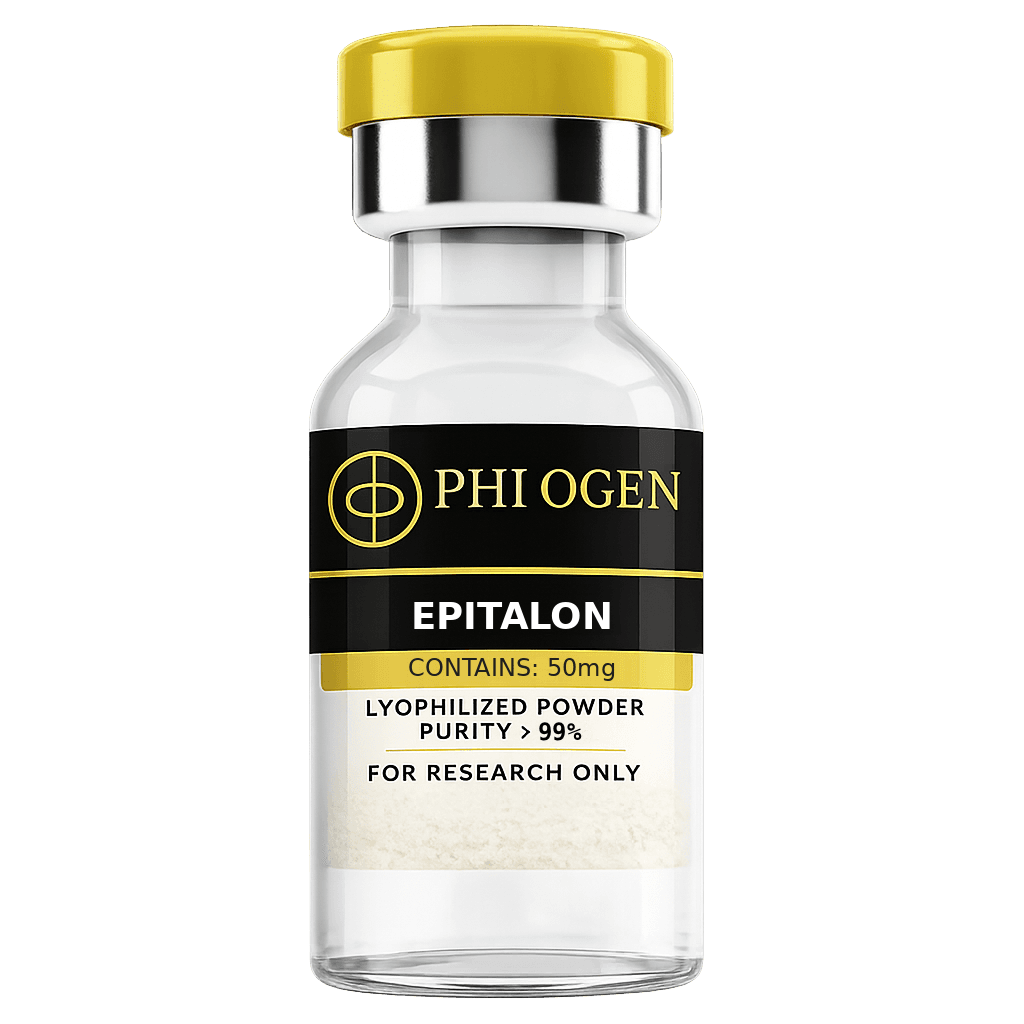
Epitalon 50mg
Tetrapeptide studied for telomere elongation, sleep quality, and longevity mechanisms.
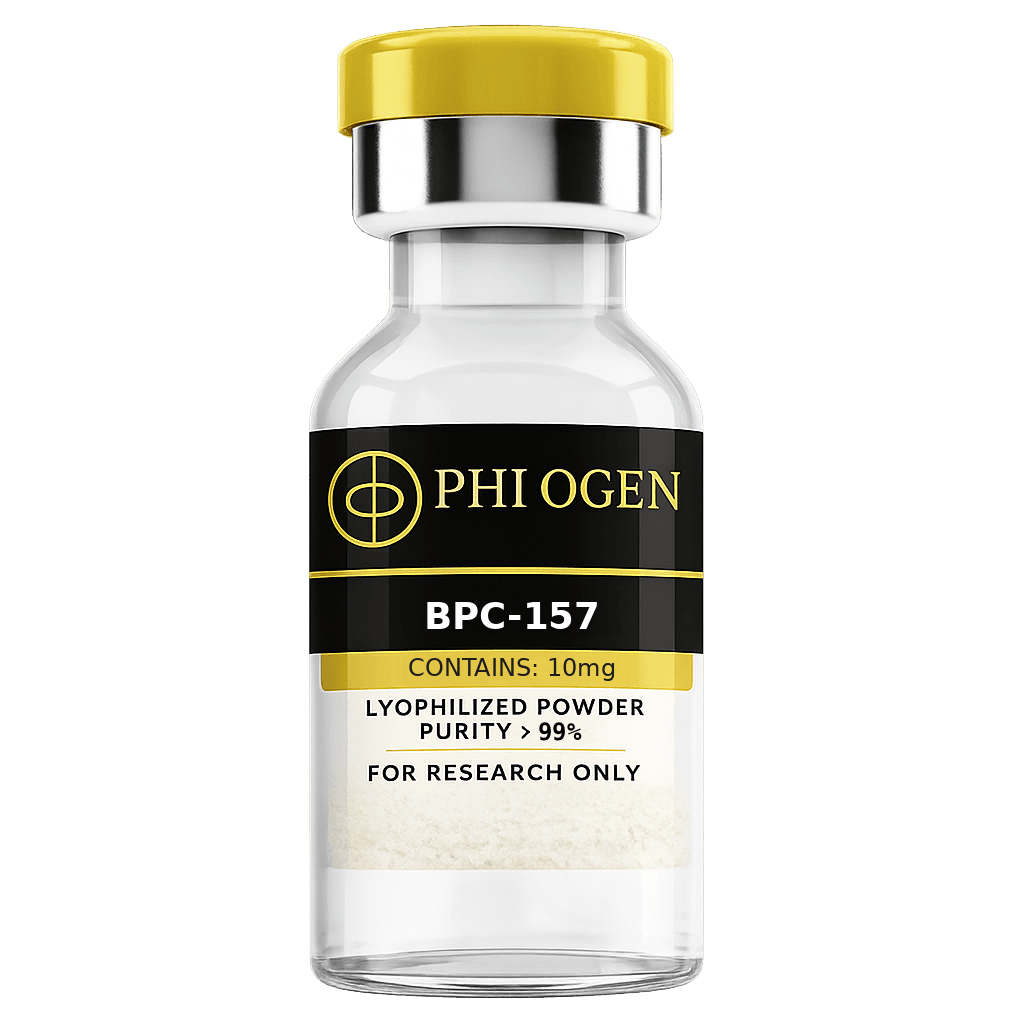
BPC-157 10mg
Body Protection Compound 157 — one of the most studied healing peptides for tissue repair and gut health.
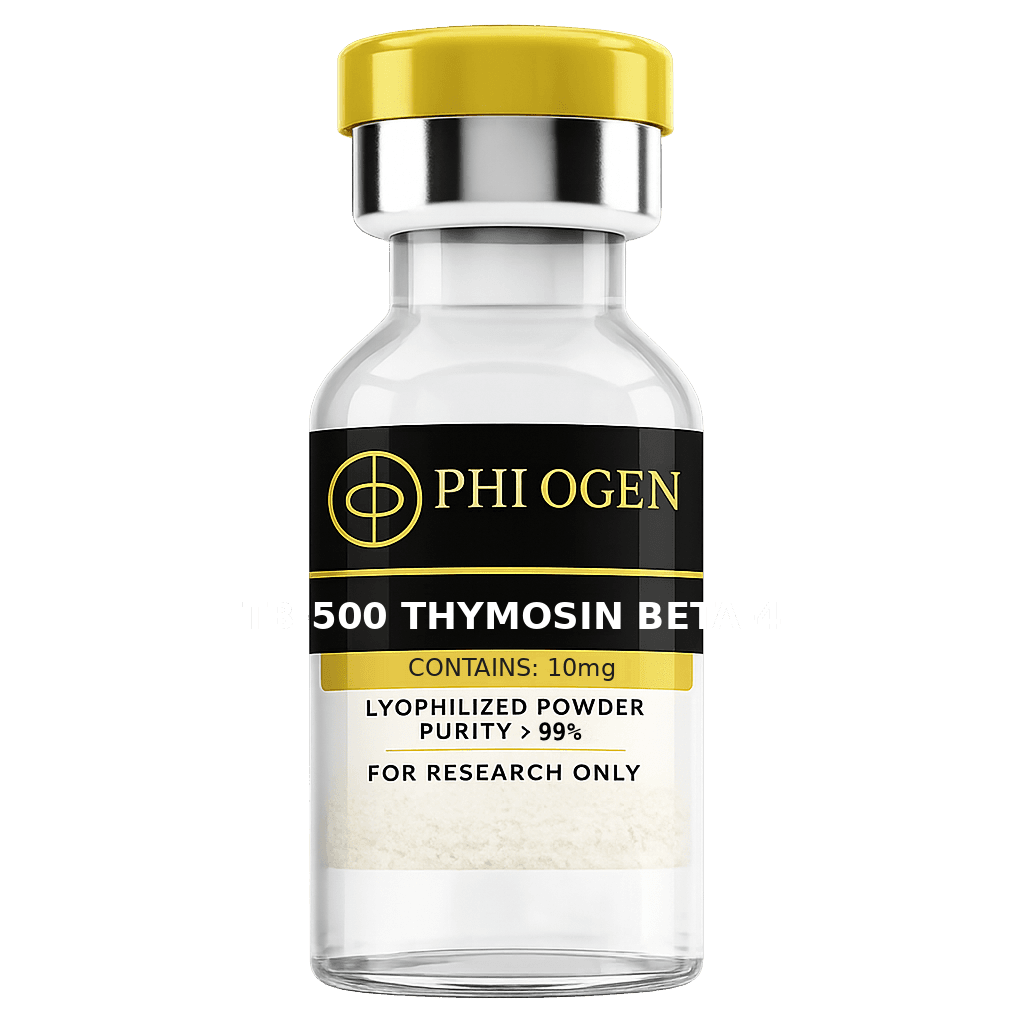
TB-500 (Thymosin Beta-4) 10mg
Thymosin Beta-4 fragment — systemic healing, flexibility, and tissue regeneration.
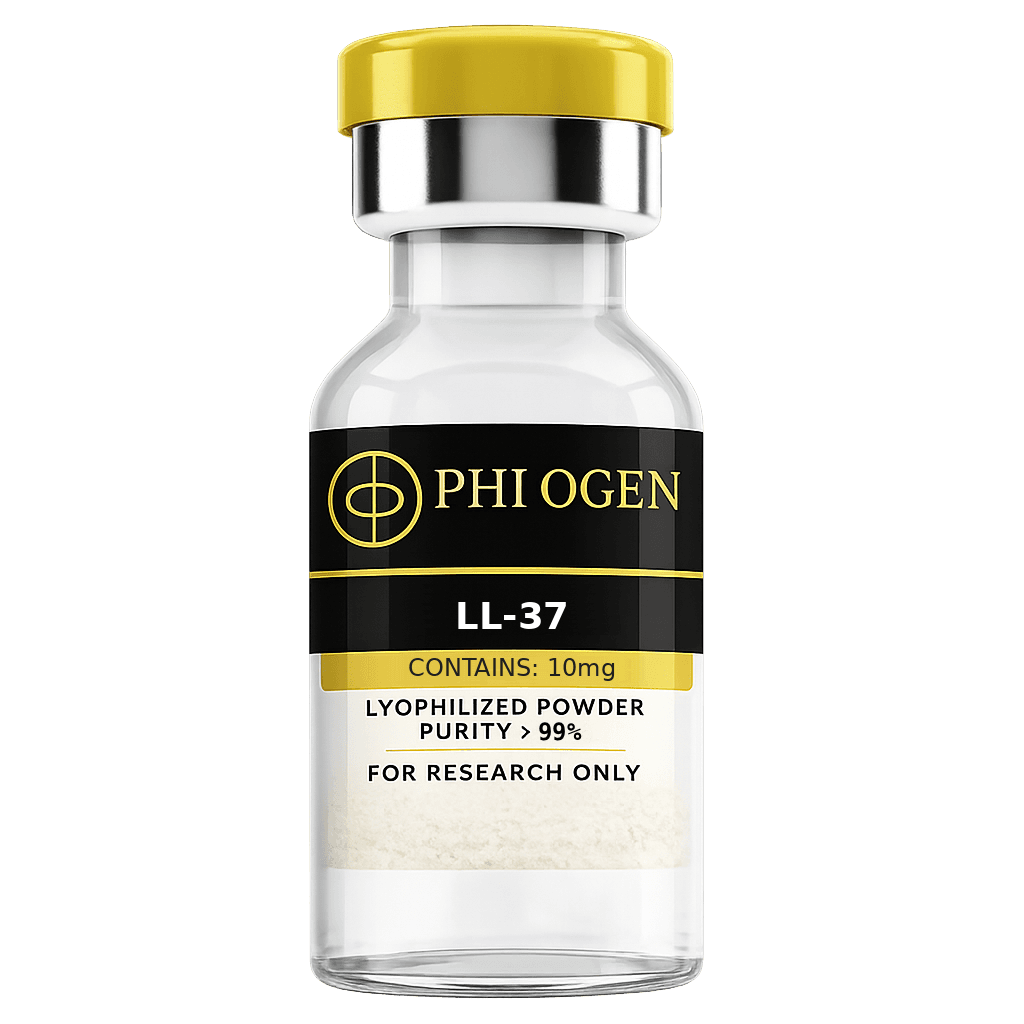
LL-37 10mg
Human cathelicidin antimicrobial peptide with immune modulation and wound healing properties.
Frequently Asked Questions
What is the best peptide for skin anti-aging?
GHK-Cu (copper peptide) is the most extensively studied skin peptide. Research shows it upregulates over 4,000 genes involved in collagen synthesis, matrix metalloproteinase regulation, and extracellular matrix remodeling. In controlled studies, it increased skin collagen density, reduced wrinkle depth, and improved skin elasticity. Epithalon is the top companion for cellular longevity due to its effect on telomerase activation.
How does BPC-157 help skin?
BPC-157 (Body Protection Compound 157) promotes skin healing through multiple mechanisms: it upregulates VEGF (vascular endothelial growth factor) to stimulate new blood vessel formation in the dermis, reduces inflammatory cytokine activity that degrades collagen, and accelerates the migration of fibroblasts and keratinocytes into wound sites. These actions make it valuable for healing, scar reduction, and maintaining healthy skin barrier integrity.
Can peptides tighten loose skin?
Research peptides like GHK-Cu target the root causes of skin laxity: reduced collagen density and weakened extracellular matrix scaffolding. By stimulating fibroblast collagen production and inhibiting matrix metalloproteinases (enzymes that break down collagen), GHK-Cu may help rebuild the structural proteins responsible for skin firmness. Results in research models are encouraging, though individual variation is significant.
How long does it take for skin peptides to work?
GHK-Cu research suggests measurable changes in collagen density markers at 8–12 weeks of daily use. Epithalon cycles show effects on cellular markers over 3–6 months of repeated cycling. BPC-157 shows more rapid wound-healing effects (days to weeks) but skin remodeling benefits accumulate over 4–8 week cycles. Patience and consistency are necessary — skin turnover takes 28–60 days depending on age.
What is the best peptide stack for looksmaxxing skin?
The most evidence-backed skin stack combines GHK-Cu (daily, for ongoing collagen support) + Epithalon (10-day cycles 2–3× per year, for telomere and cellular aging support) + BPC-157 (pulsed cycles for healing and anti-inflammatory support). This triple stack addresses structural collagen, cellular longevity, and inflammatory damage simultaneously.
Are skin peptides safe?
The peptides on this site are research compounds sold for laboratory and educational purposes only. They are not FDA-approved for human use. All content on this page is for educational and research purposes. Consult a qualified healthcare professional before making any decisions about your health.