
Best Peptides for Fat Loss — Four Mechanisms, One Goal
Research peptides for fat loss operate through fundamentally different biochemical pathways — not all are equivalent. Tirzepatide attacks the hypothalamic appetite center. AOD-9604 directly activates adipocyte lipolysis. CJC-1295 + Ipamorelin amplify GH-driven fat mobilization while preserving lean mass. AICAR mimics the metabolic effects of exercise at the cellular level. This guide explains each mechanism, the research behind it, and how to design a rational fat loss peptide protocol.
Four Pathways to Peptide-Driven Fat Loss
Research peptides operate through distinct biochemical mechanisms — not all are equivalent
GH binds adipocyte receptors → activates hormone-sensitive lipase → triglyceride hydrolysis → free fatty acid release for oxidation.
Incretin receptors in hypothalamus suppress appetite neuropeptides (NPY/AgRP). GIP potentiates insulin while glucagon drives thermogenesis via brown adipose activation.
AOD-9604 activates β3-adrenergic receptors on adipocytes independent of the full GH receptor, selectively driving visceral fat hydrolysis without the growth-promoting effects of intact GH.
AMPK phosphorylation triggers PGC-1α — the master regulator of mitochondrial biogenesis — increasing the number and efficiency of mitochondria, the organelles that oxidize fatty acids.
GLP-1 & GIP Receptor Agonists — The Most Potent Fat Loss Peptides in Research
The incretin-based peptides represent the most clinically validated fat loss compounds in the history of metabolic research. GLP-1 (glucagon-like peptide-1) was first characterized as an intestinal hormone that stimulates insulin secretion in a glucose-dependent manner. The discovery that GLP-1 receptors in the hypothalamus powerfully suppress appetite neuropeptide signaling opened the door to a new class of obesity treatment that operates through central nervous system mechanisms rather than peripheral stimulants.
Tirzepatide, the dual GLP-1 and GIP receptor agonist, produced the largest weight loss percentages ever recorded in a pharmaceutical trial for obesity when SURMOUNT-1 was published in the New England Journal of Medicine in 2022. At the highest dose (15 mg/week), participants with obesity but without diabetes lost an average of 22.5% of their body weight over 72 weeks — roughly equivalent to the results of bariatric surgery in some metrics. The addition of GIP receptor agonism to GLP-1 alone appears synergistic: GIP receptors on brown adipose tissue promote thermogenesis, while GIP co-activation with GLP-1 produces greater insulin potentiation than either receptor alone.
Retatrutide takes the mechanism a step further by adding glucagon receptor agonism. Glucagon is the counter-regulatory hormone to insulin that drives glucose output from the liver and stimulates thermogenesis in brown adipose tissue. When combined with GLP-1/GIP agonism, glucagon receptor activation adds a thermogenic component: calories are burned as heat in addition to appetite suppression. SURMOUNT-4 and phase 2 Retatrutide data showed up to 24.2% body weight reduction — the highest number recorded for any non-surgical intervention. The trade-off is that glucagon receptor agonism adds complexity: it can cause more nausea and requires careful dose escalation.
Cagrilintide operates through a completely different receptor — the amylin receptor — but achieves complementary effects. Amylin is co-secreted with insulin from pancreatic beta cells and signals satiety via the area postrema (a region of the brain that lacks the blood-brain barrier, making it uniquely accessible to peptide hormones). By activating amylin receptors, cagrilintide slows gastric emptying, prolongs postprandial satiety, and reduces meal frequency. When combined with semaglutide (CagriSema), the dual mechanism produced greater weight loss than either compound alone in head-to-head comparisons. Cagrilintide alone shows approximately 10% weight reduction, making it a moderate but mechanism-distinct addition to incretin-based protocols.
GH Axis Peptides — Fat Loss With Lean Mass Preservation
Growth hormone is one of the most potent lipolytic hormones in the body. It activates hormone-sensitive lipase in adipocytes — the enzyme that hydrolyzes stored triglycerides into free fatty acids and glycerol, releasing them into circulation for oxidation as fuel. GH secretion is pulsatile, with the largest pulse occurring in the first hours of sleep. As humans age, GH pulse amplitude declines significantly — a process called somatopause — which contributes to the progressive accumulation of visceral fat and loss of lean mass that characterizes body composition changes in adulthood.
CJC-1295 is a modified GHRH (growth hormone-releasing hormone) analogue that binds the pituitary GHRH receptor with high affinity and extended half-life. Where native GHRH has a half-life of minutes, CJC-1295 (without DAC) has a half-life of approximately 30 minutes, allowing it to potentiate natural GH pulses when timed correctly. The DAC (drug affinity complex) variant extends half-life to approximately 8 days by binding albumin, creating a slow-release depot. However, for body composition optimization, the standard CJC-1295 (no DAC) is generally preferred because it augments natural pulsatile GH release rather than creating supraphysiologic sustained levels.
Ipamorelin is a selective GH secretagogue that acts via the ghrelin receptor (GHS-R1a) on pituitary somatotrophs. It is prized for its selectivity: unlike earlier GH secretagogues (GHRP-2, GHRP-6), Ipamorelin does not significantly increase cortisol or prolactin at research doses — hormones that can counteract fat loss through visceral fat accumulation (cortisol) or appetite dysregulation (prolactin). The CJC-1295 + Ipamorelin combination is considered the gold standard GH optimization stack because they act synergistically: CJC-1295 amplifies pulse amplitude through the GHRH pathway while Ipamorelin amplifies pulse frequency through the ghrelin pathway, combining for 2–10× greater GH output than either peptide alone.
Tesamorelin is a stabilized GHRH analogue that was extensively studied in HIV-associated lipodystrophy — a condition characterized by dramatic visceral fat accumulation. FDA approval studies demonstrated that Tesamorelin reduced visceral adipose tissue (VAT) by approximately 15–18% over 26 weeks in this population. Its mechanism is similar to CJC-1295 but with a more established clinical research base specifically for visceral fat reduction. For looksmaxxing purposes, reducing visceral fat improves abdominal aesthetics, waist-to-hip ratio, and metabolic health markers simultaneously.
AOD-9604 — Targeted Visceral Fat Without IGF-1 Concerns
AOD-9604 (Anti-Obesity Drug 9604) is a synthetic peptide fragment corresponding to amino acid residues 176–191 of human growth hormone. This carboxy-terminal domain is the region of GH that mediates its fat-mobilizing (lipolytic) properties, distinct from the amino-terminal domain that drives growth effects via IGF-1. By isolating and stabilizing this fragment, AOD-9604 achieves targeted lipolysis without binding the canonical GH receptor (GHR) and without significantly increasing IGF-1 or insulin-like growth factor binding proteins.
AOD-9604 activates beta-3 adrenergic receptors on adipocytes, which are the same receptors activated by epinephrine during stress-induced lipolysis. Unlike exogenous epinephrine, AOD-9604 does not produce cardiovascular stimulant effects — it achieves receptor selectivity for adipose tissue rather than cardiac tissue. In addition to lipolysis, research in animal models showed that AOD-9604 inhibited lipogenesis (new fat storage) and was particularly effective at reducing intra-abdominal and visceral fat depots compared to subcutaneous fat, which aligns with its β3 receptor selectivity since visceral adipocytes have higher β3 receptor density than subcutaneous depots.
The safety profile of AOD-9604 in human studies is notable: the peptide was evaluated in long-term human clinical trials as part of Metabolic Pharmaceuticals' obesity program. No adverse effects on glucose metabolism, IGF-1 levels, or growth were observed, differentiating it from full GH treatment which carries risks of insulin resistance and edema at therapeutic doses. This makes AOD-9604 an attractive option for subjects who want the lipolytic benefits of GH signaling without the anabolic overstimulation concerns.
AICAR, MOTS-c & 5-Amino-1MQ — The Mitochondrial Fat-Burning Tier
AICAR (5-Aminoimidazole-4-carboxamide ribonucleotide) works fundamentally differently from all other fat loss peptides in this guide: it does not target receptors on the cell surface but instead directly activates AMP-activated protein kinase (AMPK) — the central cellular energy sensor. AMPK is activated when cellular AMP/ATP ratio rises (i.e., when energy is low), signaling cells to switch from energy-storing to energy-burning modes. This is the primary molecular pathway through which vigorous exercise produces its metabolic benefits. AICAR pharmacologically mimics this state without the need for physical exertion, which is why it has been called an "exercise mimetic" and why it is subject to WADA (World Anti-Doping Agency) prohibition in competitive sports.
In research models, AICAR administration increased fat oxidation, improved insulin sensitivity, stimulated mitochondrial biogenesis in skeletal muscle (increasing metabolic capacity), and enhanced endurance performance. The fat loss mechanism is primarily through PGC-1α activation downstream of AMPK — PGC-1α is the master transcriptional regulator of mitochondrial biogenesis. More mitochondria means higher baseline metabolic rate and greater capacity for fatty acid beta-oxidation.
MOTS-c is a mitochondrial-encoded peptide — uniquely, it is produced not by nuclear DNA but by the mitochondrial genome itself. It acts as a retrograde signaling molecule, traveling from mitochondria to the cell nucleus where it activates AMPK-related pathways and regulates nuclear gene expression for metabolic enzymes. MOTS-c has been shown to improve insulin sensitivity in muscle tissue, reduce adiposity in diet-induced obese mouse models, and restore metabolic flexibility in aged animals. Its dual action on both insulin sensitivity and fat oxidation makes it a compelling compound for the metabolic component of body recomposition.
5-Amino-1MQ inhibits NNMT (nicotinamide N-methyltransferase) — an enzyme that consumes NAD+ and produces methylated nicotinamide. By inhibiting NNMT, 5-Amino-1MQ raises cellular NAD+ levels, which activates SIRT1 (a NAD-dependent deacetylase) and downstream AMPK activity. The net result is similar to AICAR but through a different entry point — and with additional benefits including epigenetic regulation of adipogenesis genes that reduce the commitment of precursor cells to the fat cell lineage.
Fat Loss Peptide Research Protocols
| Peptide | Dose | Route | Cycle | Mechanism |
|---|---|---|---|---|
| Tirzepatide | 2.5–15 mg/week | SC injection | Escalating dose, ongoing | GLP-1 + GIP dual agonist |
| Retatrutide | 1–12 mg/week | SC injection | Escalating dose, ongoing | GLP-1 + GIP + glucagon triple agonist |
| Cagrilintide | 0.3–2.4 mg/week | SC injection | Escalating, often combined with sema | Amylin analogue — satiety + gastric emptying |
| CJC-1295 | 100–200 mcg 2–3×/week | SC injection | 12–16 week cycles, 4 week break | GHRH analogue — GH pulse amplification |
| Ipamorelin | 200–300 mcg 2–3×/week | SC injection | Same as CJC-1295, often combined | Ghrelin mimetic — selective GH release |
| AOD-9604 | 300–600 mcg/day | SC injection | 12-week cycles | GH fragment 176-191 — direct lipolysis |
| AICAR | 50–100 mg/day | SC injection | 4–8 week cycles | AMPK activator — fat oxidation upregulation |
| MOTS-c | 5–10 mg/week | SC injection | 4–8 week cycles | Mitochondrial peptide — insulin sensitization |
For educational reference only. Doses reflect published research ranges. Not medical advice.
Fat Loss Research Peptides
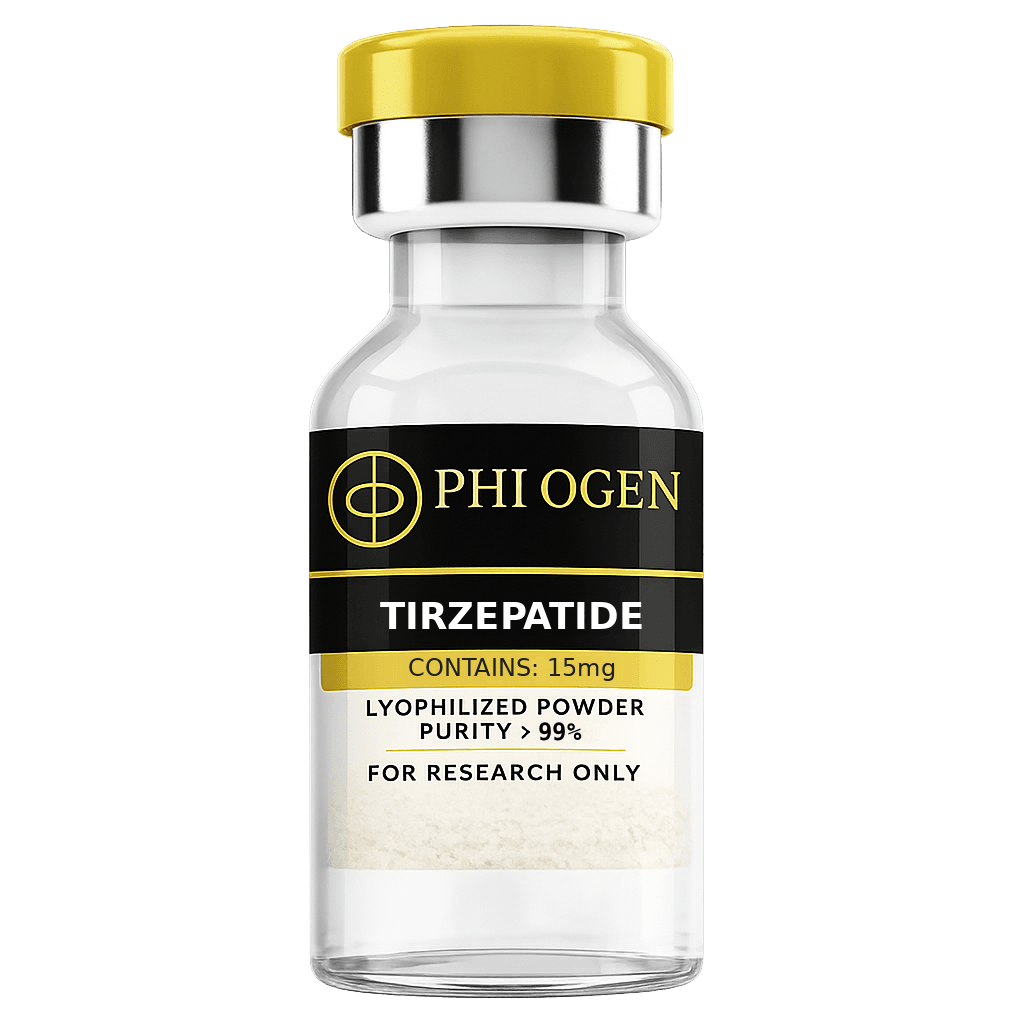
Tirzepatide 15mg
Dual GIP/GLP-1 receptor agonist — clinical trials show 20%+ average weight loss.
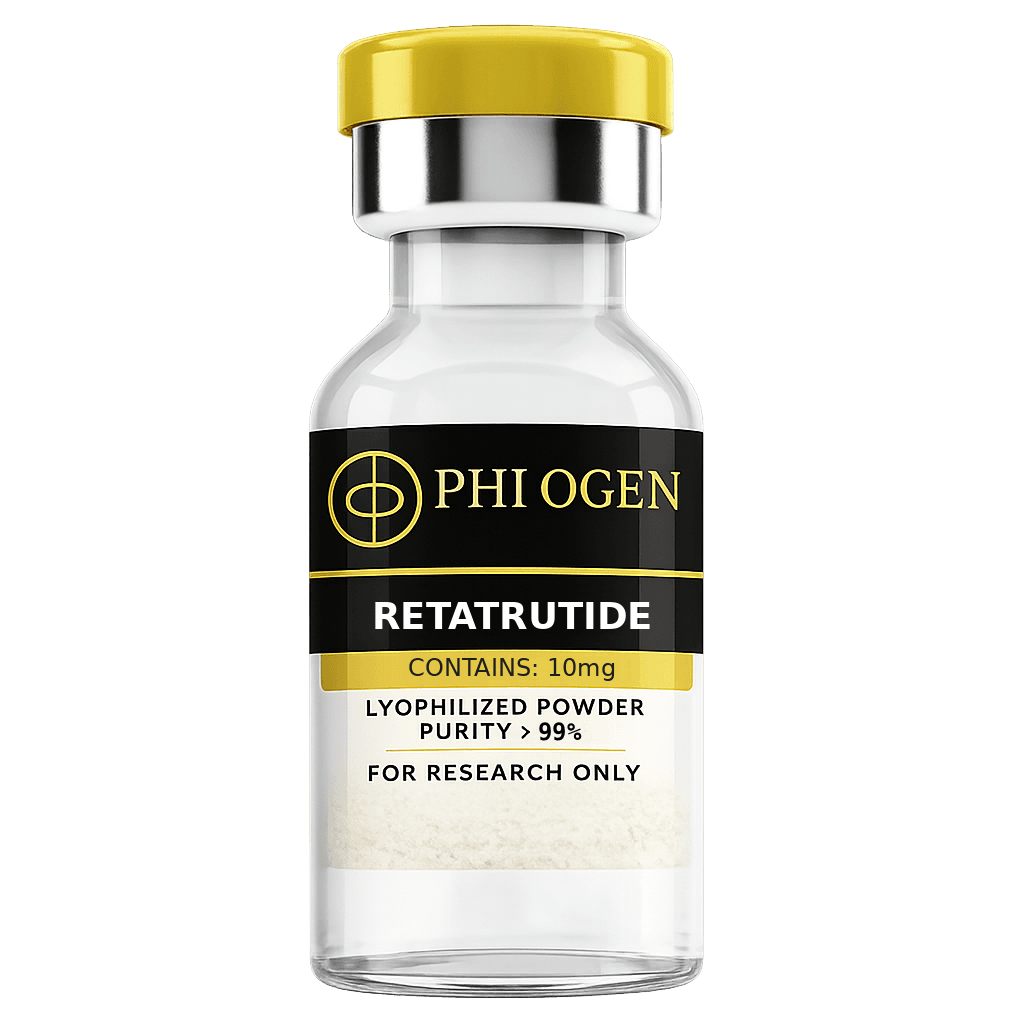
Retatrutide 10mg
Triple GLP-1/GIP/glucagon agonist — most potent weight loss peptide in clinical trials.
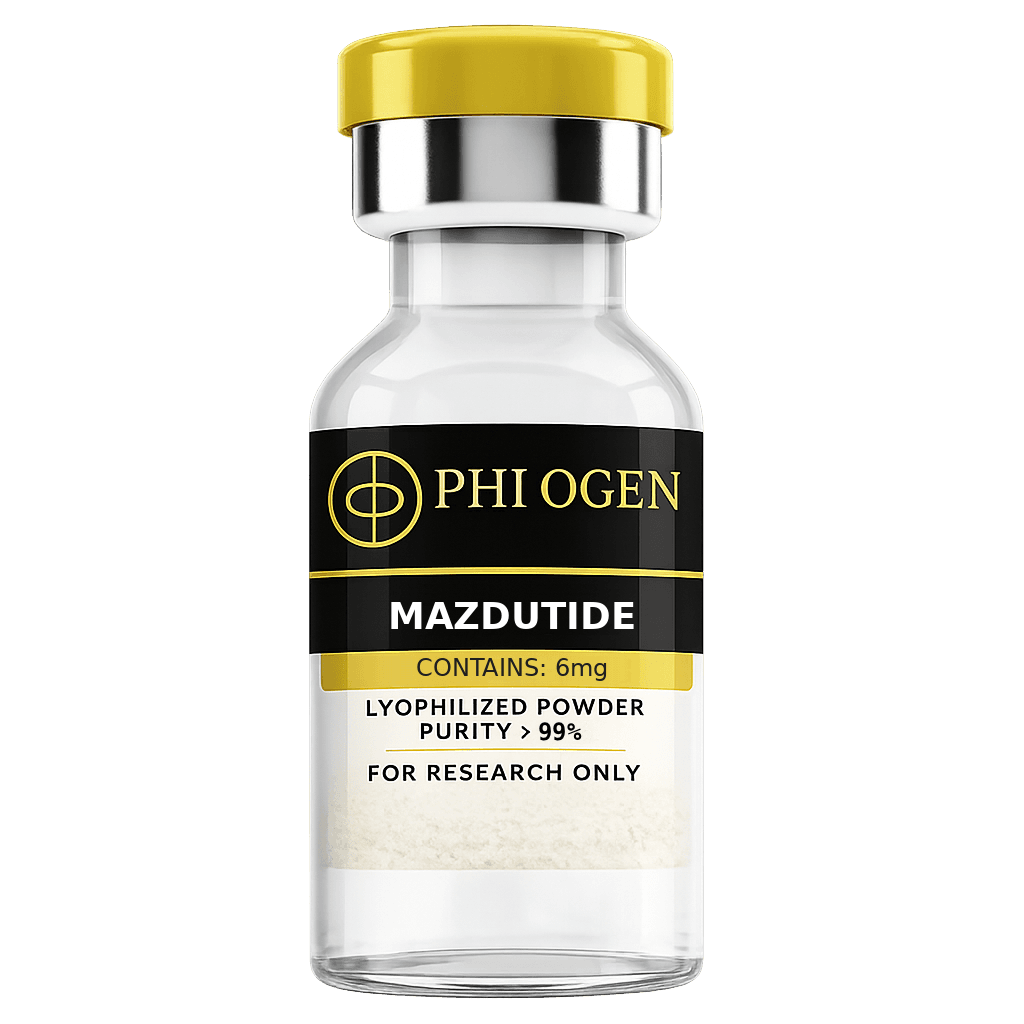
Mazdutide 6mg
Dual GLP-1/glucagon receptor agonist for weight loss and metabolic improvement.
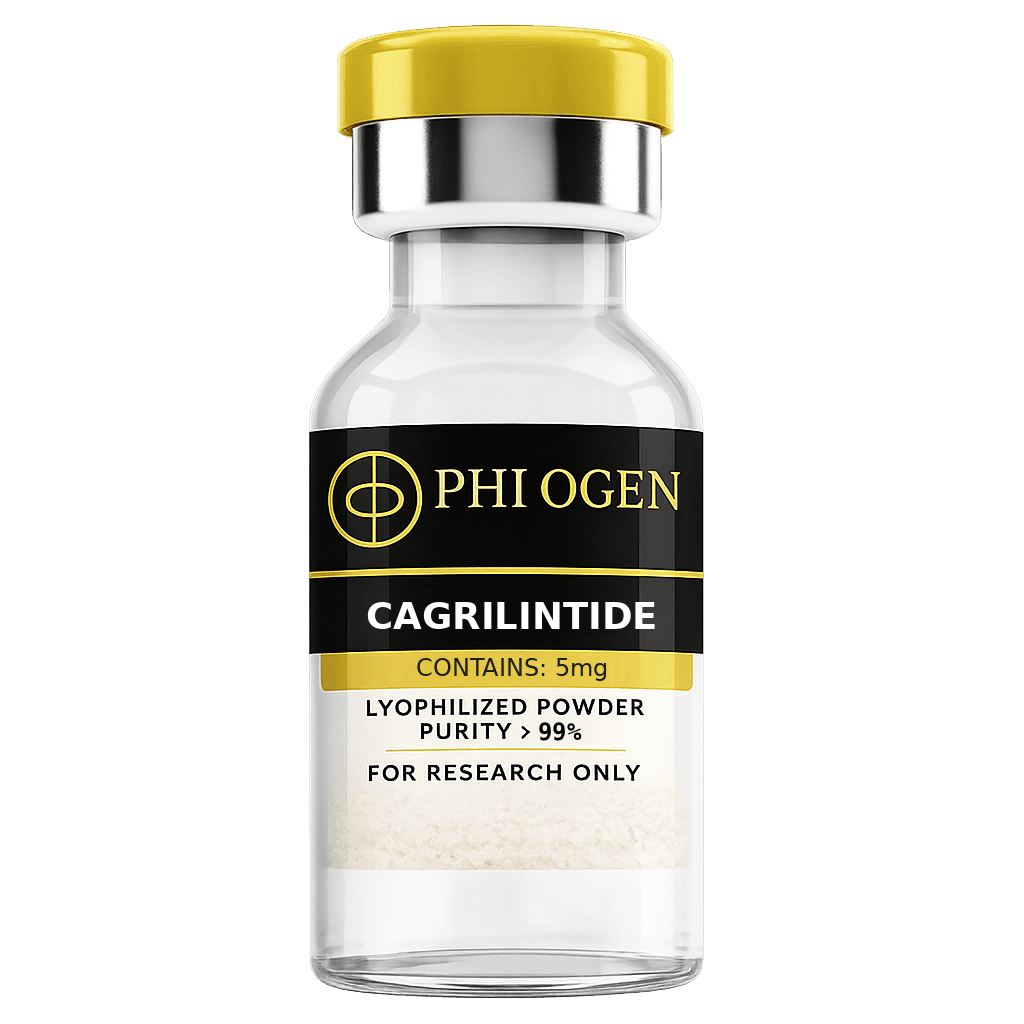
Cagrilintide 5mg
Long-acting amylin analog for appetite control and weight management.
AOD9604 5mg
AOD9604 5mg — GH C-terminal fragment for targeted abdominal fat reduction.
AICAR 50mg
AMPK activator — exercise-mimetic compound for endurance, fat burning, and metabolic health.
CJC-1295 No DAC 10mg
GHRH analog — stimulates natural pulsatile growth hormone release. Pairs with Ipamorelin.
Ipamorelin 10mg
Selective GH secretagogue with minimal side effects — the cleanest GHRP available.
Tesamorelin 10mg
GHRH analog with robust clinical data for visceral fat reduction and metabolic improvement.
MOTS-c 10mg
Mitochondria-derived peptide for metabolic regulation, insulin sensitivity, and longevity.
5-Amino-1MQ 50mg
NNMT inhibitor studied for fat loss, enhanced metabolism, and lean mass preservation.
Frequently Asked Questions
What are the most effective research peptides for fat loss?
Tirzepatide (dual GLP-1/GIP agonist) and Retatrutide (triple agonist adding glucagon) show the highest body weight reduction percentages in research — 20–24% over 72 weeks in phase 3 trials. For GH-axis fat loss, CJC-1295 + Ipamorelin is the most widely studied combination, working through enhanced GH secretion and downstream lipolysis. AOD-9604 offers more targeted visceral fat reduction without the IGF-1 elevation of full GH peptides.
How does Tirzepatide cause fat loss?
Tirzepatide activates both GLP-1 and GIP receptors simultaneously. GLP-1 receptor activation in the hypothalamus suppresses appetite by reducing NPY/AgRP neuropeptide activity while increasing POMC/CART signaling. It also slows gastric emptying, prolonging satiety signals. GIP receptor co-activation potentiates insulin secretion in a glucose-dependent manner and has been shown to activate brown adipose tissue thermogenesis — burning additional calories as heat. The combination of reduced caloric intake and increased energy expenditure drives the remarkable weight loss percentages observed in trials.
What is AOD-9604 and how does it differ from full GH peptides?
AOD-9604 is a stabilized fragment of growth hormone spanning residues 176–191 — the region responsible for GH's lipolytic activity. Unlike full GH peptide analogues (CJC-1295, sermorelin), AOD-9604 does not bind the standard GH receptor or significantly elevate IGF-1. Instead, it activates β3-adrenergic receptors on adipocytes, mimicking catecholamine-driven lipolysis. This makes it particularly targeted for visceral fat reduction without the joint pain, water retention, or theoretical IGF-1 concerns associated with full GH protocols.
What is AICAR and why is it called an "exercise mimetic"?
AICAR (5-Aminoimidazole-4-carboxamide ribonucleotide) activates AMP-activated protein kinase (AMPK) — the enzyme that serves as the cell's energy sensor and is also activated by vigorous exercise. When AMPK is activated, cells shift from anabolic (energy-storing) to catabolic (energy-burning) metabolism. Specifically, AMPK inhibits fatty acid synthesis, activates fatty acid oxidation, upregulates glucose uptake, and triggers mitochondrial biogenesis. These are the same metabolic adaptations that result from endurance training, which is why AICAR is described as an exercise mimetic. In research models, AICAR-treated animals showed increased fat oxidation and improved endurance without exercise.
Can I combine GH peptides with GLP-1 peptides for fat loss?
Yes, these work through entirely different mechanisms and do not compete. GLP-1/GIP agonists reduce caloric intake through appetite suppression. GH secretagogues (CJC-1295, Ipamorelin) drive lipolysis by increasing GH pulsatility and simultaneously help preserve lean muscle mass — an important consideration since aggressive caloric restriction from GLP-1 drugs tends to include some muscle catabolism. The combination of metabolic appetite control + lean mass preservation through GH optimization is a rational fat loss strategy studied in several research contexts.
Are fat loss peptides safe for research use?
All peptides on this site are research compounds sold for laboratory and educational purposes only. They are not FDA-approved for human use. GLP-1/GIP agonists in particular are known to cause gastrointestinal side effects at therapeutic doses. All content is for educational purposes only. Consult a qualified healthcare professional before making any health decisions.