
GLP-1 Peptides — Semaglutide, Tirzepatide, and the Metabolic Class
The most transformative metabolic compounds in modern research, and the ones most likely to cause problems when used without proper titration.
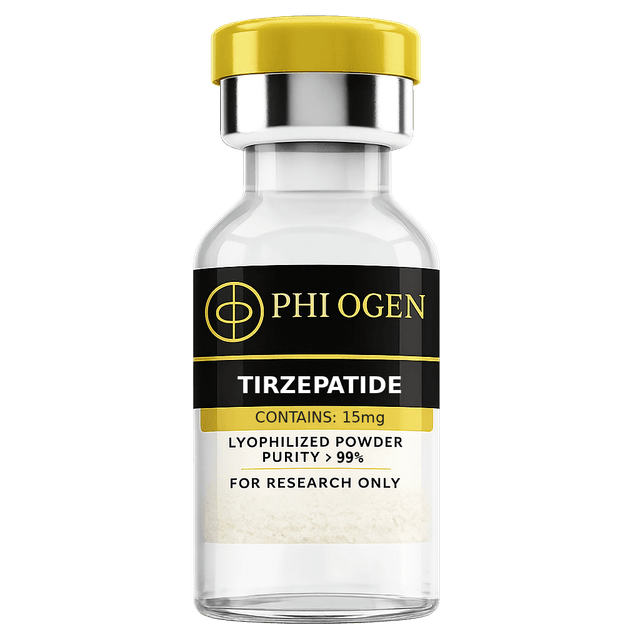
Tirzepatide
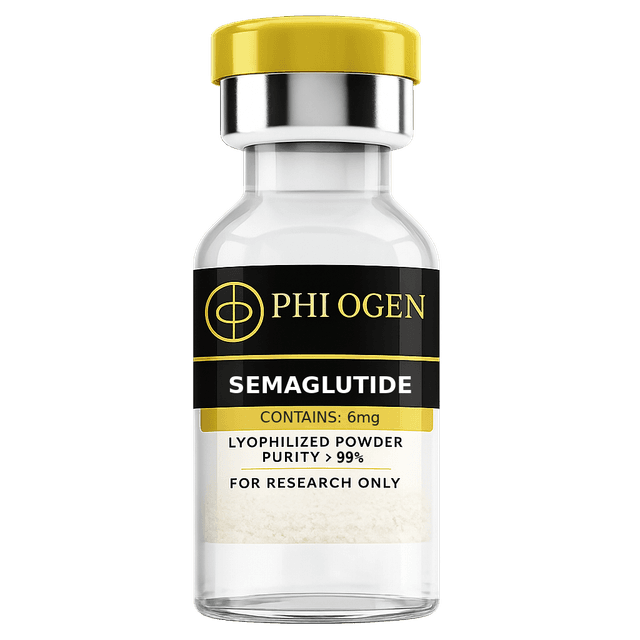
Semaglutide 6mg
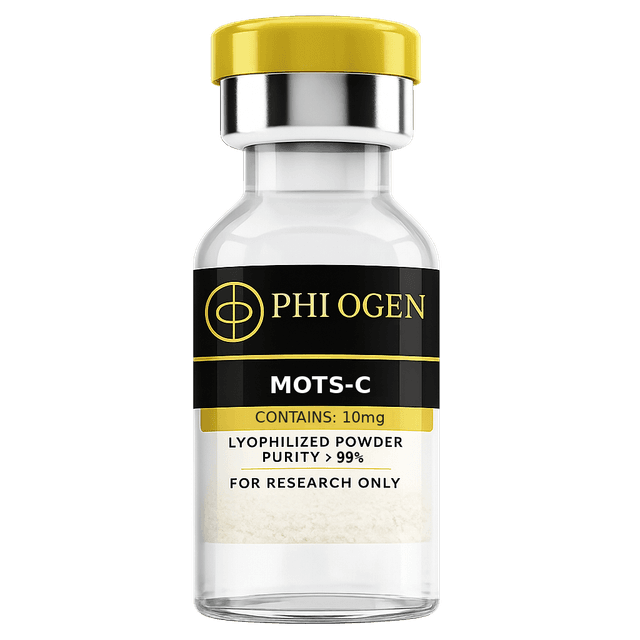
MOTS-c
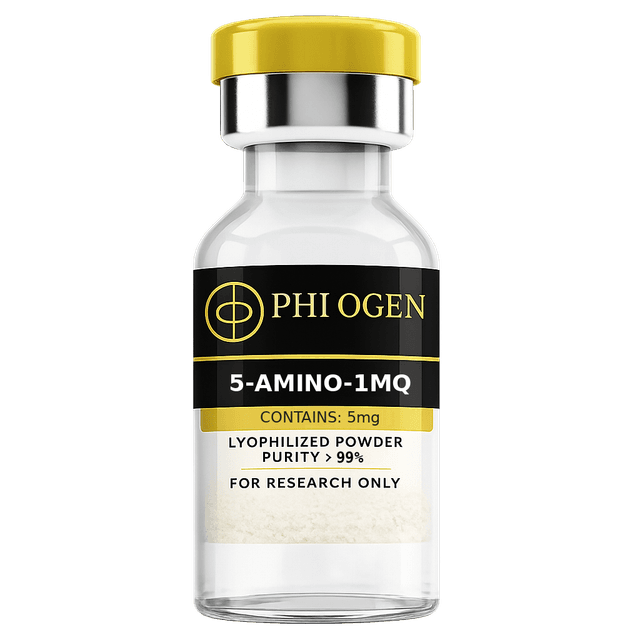
5-Amino-1MQ 5mg
What GLP-1 Actually Is
Glucagon-like peptide 1 is a 30-amino-acid hormone your gut secretes in response to food. Its job is to coordinate the post-meal metabolic response: it tells the pancreas to release insulin, tells the liver to slow glucose output, tells the stomach to empty more slowly, and tells the brain that eating has happened. Under normal conditions, this signal fires, does its work, and is degraded within minutes by an enzyme called DPP-4. The whole cycle is evolutionarily elegant and designed for a food environment humans left behind about fifty generations ago.
Semaglutide and Tirzepatide are peptide-based GLP-1 receptor agonists engineered to resist DPP-4 degradation, extending their half-lives from minutes to roughly a week. That single pharmacokinetic change is what transforms a transient post-meal signal into a persistent metabolic reset — slower gastric emptying around the clock, sustained central appetite reduction, and prolonged insulin-sensitizing effects. The effects are substantial enough that research interest has exploded beyond the original diabetes indications into weight management, metabolic syndrome, fatty liver disease, and cardiovascular research.
Semaglutide vs Tirzepatide — The Core Difference
Semaglutide is a single-agonist peptide. It binds only the GLP-1 receptor and produces all of its effects through that single pathway. Tirzepatide is a dual agonist — it binds both the GLP-1 receptor and the GIP (glucose-dependent insulinotropic polypeptide) receptor. GIP is a second incretin hormone with complementary effects on insulin release, fat metabolism, and appetite. The combination of GLP-1 and GIP agonism produces measurable superiority on most metabolic endpoints in head-to-head trials, which is why Tirzepatide has rapidly become the research-community favorite for weight-focused and metabolic-focused protocols.
Practically, this means that researchers comparing the two compounds tend to find that Tirzepatide produces faster weight loss, larger HbA1c reductions in diabetes research, and a somewhat different side-effect profile than Semaglutide. Both produce GI effects, but Tirzepatide is often reported to be slightly better tolerated in the early weeks because the added GIP effect partially offsets GLP-1-mediated nausea. Neither compound is strictly "better" — Semaglutide has the longer clinical track record and is well-understood; Tirzepatide produces larger effects in most comparisons.
Titration Is Not Optional
If there is one single piece of advice that determines whether a GLP-1 research protocol succeeds or fails, it is this: titrate slowly. The nausea, vomiting, and GI distress that these compounds can produce at higher doses is directly and almost entirely preventable by starting at a low dose and escalating gradually over weeks. Every clinical trial of these compounds used a multi-week titration schedule, not because it was protocol theater, but because that is how you build tolerance to a peptide that fundamentally slows gastric emptying.
| Week | Semaglutide | Tirzepatide |
|---|---|---|
| Weeks 1–4 | 0.25 mg/week | 2.5 mg/week |
| Weeks 5–8 | 0.5 mg/week | 5 mg/week |
| Weeks 9–12 | 1 mg/week | 7.5 mg/week |
| Weeks 13–16 | 1.7 mg/week | 10 mg/week |
| Weeks 17–20 | 2.4 mg/week | 12.5–15 mg/week |
Side Effects, Managed
The GI effects of GLP-1 receptor agonists are mechanism-driven, not incidental. Slower gastric emptying means food sits in the stomach longer; longer sitting food in a stomach that also has dramatically reduced appetite signaling produces the exact sensations these compounds are known for: early satiety, fullness hours after eating, occasional nausea with larger meals, and — if the dose is too high too fast — vomiting and diarrhea. The counterintuitive mitigation is not to eat more robustly; it is to eat smaller, lower-fat meals more frequently, maintaining hydration and electrolytes to support the slower digestive transit.
Two lesser-discussed effects deserve attention. First, the gallbladder. GLP-1 agonists have a small but documented association with gallbladder symptoms, likely because rapid weight loss and altered bile flow both contribute. Upper-right abdominal pain after meals is worth investigating rather than tolerating. Second, loss of lean mass. Because appetite suppression leads to lower overall protein intake, some researchers see disproportionate lean mass loss alongside fat loss. Deliberately prioritizing protein intake (0.8–1 g per pound of target body weight) and adding resistance training preserves lean tissue much better than caloric restriction alone.
MOTS-c and 5-Amino-1MQ — The Other Metabolic Peptides
GLP-1 agonists are the metabolic headliners, but two other peptides in this space deserve mention because they operate through entirely different pathways and can be complementary rather than competitive. MOTS-c is a mitochondrial-derived peptide of 16 amino acids that appears to enhance cellular energy efficiency and insulin sensitivity through AMPK activation — a fundamentally different mechanism than GLP-1 receptor agonism. It is not a direct appetite suppressant; it is more of a metabolic efficiency enhancer.
5-Amino-1MQ is an NNMT inhibitor, a small molecule (technically not a peptide, though often grouped with them) that targets the enzyme methylating NAD precursors. The result, in preclinical models, is increased NAD+ availability and better metabolic flexibility. Researchers sometimes combine MOTS-c or 5-Amino-1MQ with a GLP-1 protocol for a multi-pathway metabolic stack, though this combination requires extra attention to side-effect attribution since multiple compounds are acting simultaneously.
Featured Metabolic Peptides
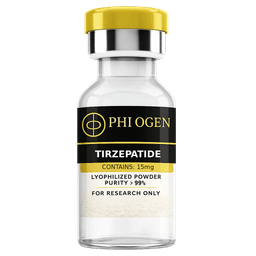
Tirzepatide 15mg
Dual GIP/GLP-1 receptor agonist — clinical trials show 20%+ average weight loss.
$149.99$134.99—Buy Now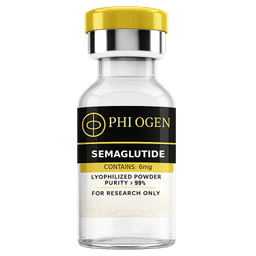
Semaglutide 6mg
Semaglutide 6mg — GLP-1 agonist for appetite control and metabolic health.
$79.99$71.99—Buy Now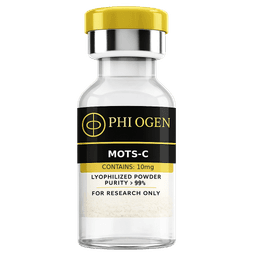
MOTS-c 10mg
Mitochondria-derived peptide for metabolic regulation, insulin sensitivity, and longevity.
$129.99$116.99—Buy Now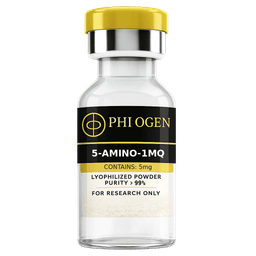
5-Amino-1MQ 5mg
5-Amino-1MQ 5mg — NNMT inhibitor entry size for fat loss and metabolic research.
$19.99$17.99—Buy NowGLP-1 FAQ
How long does it take to see results?
Appetite suppression is typically felt within the first one to two weeks. Meaningful weight change appears by week four to six at effective doses. Maximum effects on weight and metabolic markers are generally observed by month four to six.
Do I need to taper off?
Not strictly required, but many researchers report a smoother transition by stepping down over two to four weeks rather than stopping abruptly. Appetite rebound on cessation is a real phenomenon and is mitigated somewhat by a gradual taper plus deliberate habit work during the taper window.
Can I use it every other week?
Research protocols use weekly dosing because the half-life supports it. Every-other-week dosing produces sawtooth drug levels that blunt effects without proportionally reducing side effects. If cost is a concern, lower weekly dose is preferable to extended interval at higher dose.
What if I regain weight after stopping?
Most researchers see some regain in the months following cessation, typically 20–50% of lost weight if no behavioral changes accompany the protocol. Weight management after cessation requires the same fundamentals that any weight management does — GLP-1 is a tool that makes those fundamentals much easier, not a permanent reset.
COA-Verified Semaglutide & Tirzepatide
Third-party lab-tested GLP-1 peptides with batch-specific documentation on every order.
Browse Metabolic Peptides →