
Peptide Cycles & Dosing Protocols
When to start, when to stop, when to break, when to stack. The structure of a protocol matters as much as the compound you choose.
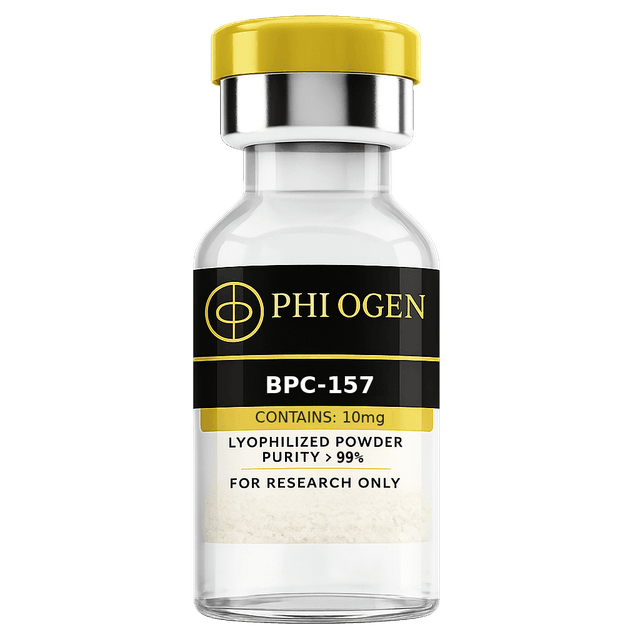
BPC-157
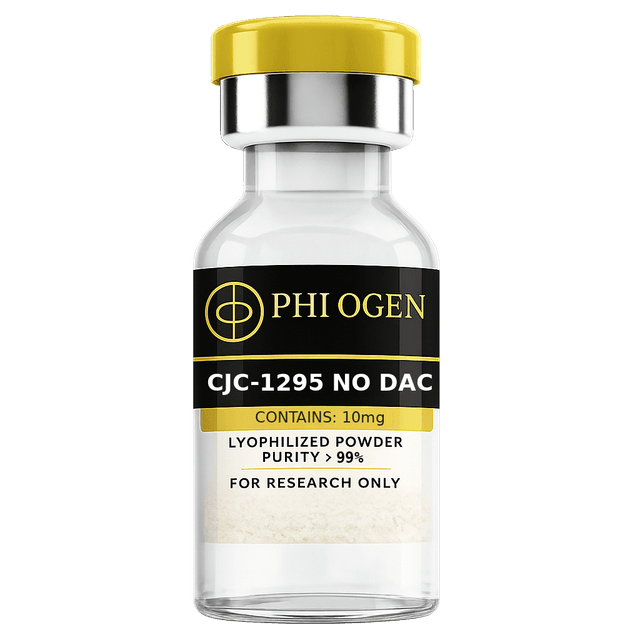
CJC-1295
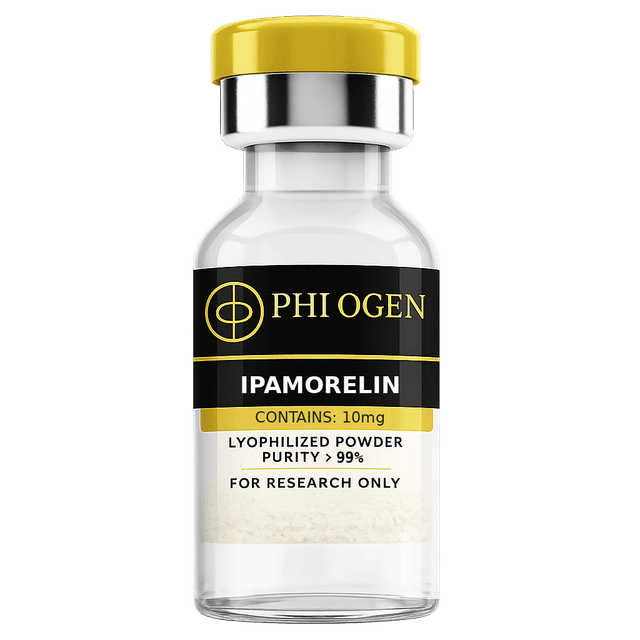
Ipamorelin
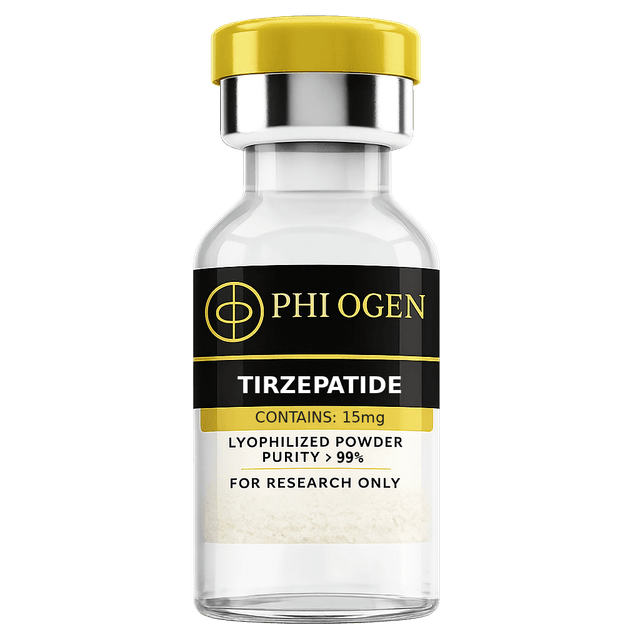
Tirzepatide
Why Cycles Exist in the First Place
The concept of a "cycle" in peptide research draws from decades of experience with hormonally active compounds, but it applies to peptides differently than it does to, say, anabolic steroids. For steroids, cycling is primarily about managing long-term damage to endogenous testosterone production and recovering HPTA function. For peptides, cycling is about something more nuanced: preserving receptor sensitivity, maintaining physiological feedback loops, and — in some cases — preventing the body from treating a continuously-administered signal as baseline and dismissing it.
Not every peptide requires cycling, and a lot of online advice about cycling applies blanket rules that do not hold up to specific compound pharmacology. GHK-Cu, a naturally-occurring tripeptide, is well-tolerated in continuous daily use and has no meaningful desensitization profile. BPC-157, in contrast, is almost always cycled because research use is injury-driven — when the injury heals, the reason to keep dosing disappears. CJC-1295 plus Ipamorelin, a GH secretagogue stack, benefits from periodic breaks because sustained pituitary stimulation can blunt response over multi-month horizons. The right cycle depends entirely on the peptide and the research goal.
Cycle Reference by Peptide Class
| Peptide | On Phase | Off Phase |
|---|---|---|
| BPC-157 | 4–6 weeks at 250–500 mcg/day | 2–4 weeks |
| TB-500 | 4–6 weeks: loading 4–8 mg/wk, then 2–4 mg/wk | 4–6 weeks |
| CJC-1295 + Ipamorelin | 8–12 weeks daily | 4 weeks |
| Tirzepatide / Semaglutide | Continuous with slow titration | Optional taper |
| GHK-Cu | Continuous daily (topical) or 4–8 week injection cycles | 2 weeks if injection |
| MT-2 | Loading then maintenance | Indefinite maintenance possible |
Titration Is the Most Important Dosing Skill
Every peptide protocol in this catalog should start at or below the lower end of the recommended dose range, not at the middle or the upper end. The reason is simple: individual response variation is significant, and most peptide side effects are dose-dependent. A researcher who starts BPC-157 at 250 mcg and finds it tolerable can always increase to 500 mcg next week. A researcher who starts at 500 mcg and experiences fatigue or GI upset cannot undo that first dose, and has to pause for several days to differentiate the peptide from other variables.
For compounds with meaningful side-effect profiles — anything in the GLP-1 class, anything in the melanocortin class — titration is not optional. Tirzepatide protocols, for example, universally begin at 2.5 mg weekly for four weeks before any increase is considered, and each subsequent increase is held for at least four weeks before the next. Trying to compress this schedule produces severe GI symptoms that could have been avoided entirely. Melanotan II benefits from the same discipline: 250 mcg initial dose, observe the response for 24 hours, escalate only if tolerated.
Pyramid Dosing: When It Helps and When It Doesn't
Some researchers use pyramid dosing — ramping the dose up to a peak in the middle of a cycle, then ramping back down before cessation — on the theory that this gently re-introduces endogenous activity and prevents post-cycle crashes. For peptides that stimulate production of downstream hormones (CJC-1295, Sermorelin), this approach has some theoretical merit: tapering off over the last two weeks of a cycle may help the pituitary gradually resume baseline function rather than experiencing an abrupt return to pre-cycle signaling.
For most other peptides, pyramid dosing is aesthetic rather than functional. BPC-157 works through local tissue signaling that resolves when exogenous input stops; there is no "pituitary recovery" to manage. GHK-Cu does not produce any rebound; neither does most of the cognitive peptide class. Spending mental effort on elaborate pyramid schedules when the underlying peptide does not require them is a form of protocol theater. Match the sophistication of your cycling to the complexity of the compound.
Stacking: Two Peptides Are Not Always Better
Peptide stacking is common, often useful, and occasionally counterproductive. The most thoroughly-studied stack in this space is CJC-1295 plus Ipamorelin — two GH secretagogues that work through different receptors (GHRH and ghrelin, respectively) and produce a larger combined GH pulse than either alone. This is a textbook example of pharmacologic synergy and is the default protocol for most GH research. BPC-157 combined with TB-500 is another well-studied pair, targeting different aspects of tissue repair and producing faster healing in preclinical injury models than either compound in isolation.
Other combinations are less clearly beneficial. Combining multiple metabolic peptides (e.g., Tirzepatide plus 5-Amino-1MQ) may produce additive side effects without additive efficacy. Combining too many cognitive peptides (Semax, Selank, and a nootropic stack simultaneously) obscures which compound is driving which subjective effect, making protocol iteration impossible. Rule of thumb: two peptides with different mechanisms that target the same research outcome — stack. Two peptides with overlapping mechanisms — rarely worth the complexity.
Tracking Is What Separates Research From Guessing
A peptide protocol run without measurement is just experimentation without data. The minimum viable tracking setup includes: a log of every dose with exact time and amount, subjective notes on sleep quality, energy, mood, and any side effects, weekly photos if aesthetic outcomes are part of the research goal, and periodic measurements (weight, waist, strength benchmarks) if performance is the goal. For longer or more complex protocols, quarterly bloodwork is genuinely valuable — IGF-1 levels for GH secretagogue research, fasting glucose and HbA1c for metabolic compounds, inflammatory markers for healing protocols. These are the measurements that let you distinguish a working protocol from a placebo effect, a bad batch from genuine non-response, and an acceptable side effect from a warning sign worth investigating.
Protocol-Ready Peptides
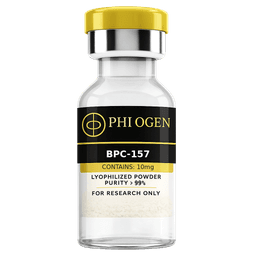
BPC-157 10mg
Body Protection Compound 157 — one of the most studied healing peptides for tissue repair and gut health.
$59.99$53.99—Buy Now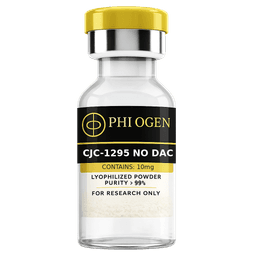
CJC-1295 No DAC 10mg
GHRH analog — stimulates natural pulsatile growth hormone release. Pairs with Ipamorelin.
$79.99$71.99—Buy Now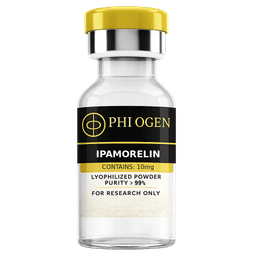
Ipamorelin 10mg
Selective GH secretagogue with minimal side effects — the cleanest GHRP available.
$59.99$53.99—Buy Now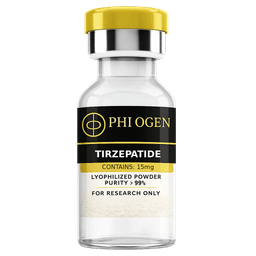
Tirzepatide 15mg
Dual GIP/GLP-1 receptor agonist — clinical trials show 20%+ average weight loss.
$149.99$134.99—Buy NowCycles & Dosing FAQ
How do I know when to end a cycle?
Three signals: the research goal has been reached, a pre-scheduled cycle length has elapsed, or side effects are worsening rather than resolving. For outcome-driven cycles (injury healing, appearance change), stopping when the goal is met is appropriate. For homeostatic cycles (GH support), time-based cessation protects feedback loops.
Can I run multiple cycles back-to-back?
Yes, provided you respect the off-phase between them. The purpose of the off-phase is to let any accumulated effect normalize before re-stimulating, not to fully eliminate the prior compound from the system. Back-to-back cycles of unrelated peptides (healing then cognitive, for example) can be run with minimal off-time between them.
Is morning or evening dosing better?
Peptide-dependent. GH secretagogues dose at night to align with natural GH pulse; cognitive peptides dose in the morning to avoid sleep disruption; healing peptides can dose anytime. Consistency matters more than optimization — same time every day is more important than perfect time.
Do I need to take time off between different peptides?
Generally no, if their mechanisms do not overlap. BPC-157 can run concurrently with a GH stack, a cognitive peptide, or a metabolic compound without interaction concerns. Overlap of similar mechanisms (two GH agonists, two GLP-1 compounds) is where caution applies.
Start a Protocol With Verified Material
COA-documented identity and purity on every vial — the foundation of any reproducible research.
Browse All Peptides →