
Peptide Side Effects & Safety — What to Watch For
Every peptide class has a distinct side-effect profile. Knowing what's normal, what's manageable, and what demands that you stop — before starting — is how serious researchers stay safe.
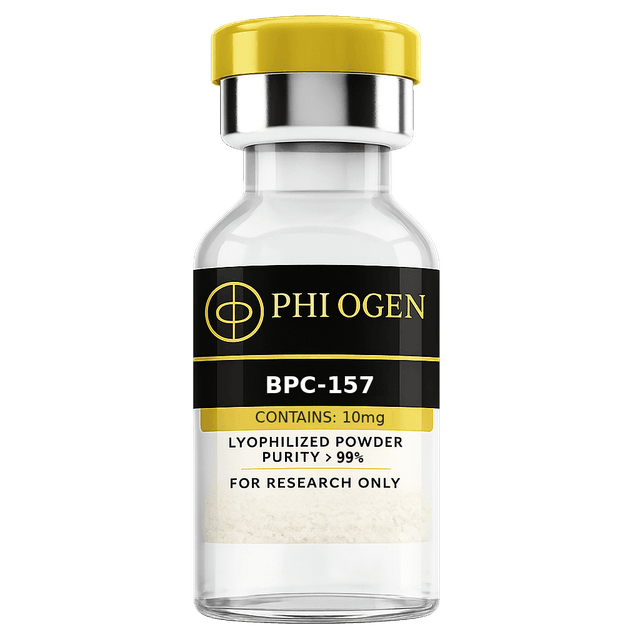
BPC-157
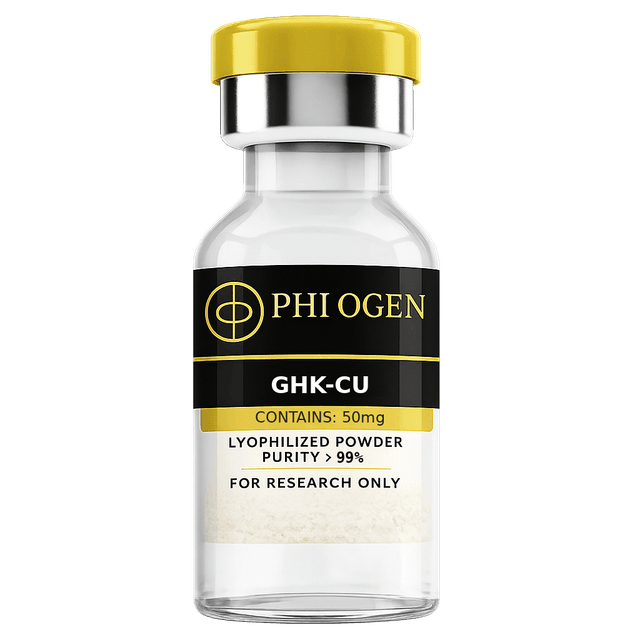
GHK-Cu
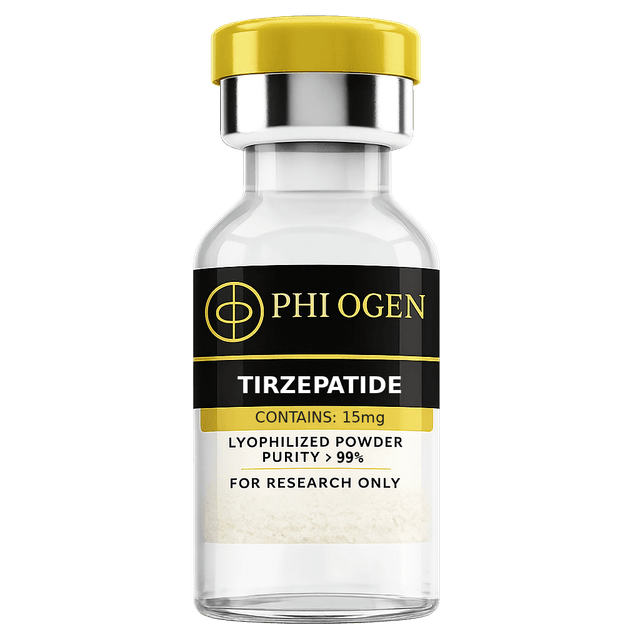
Tirzepatide
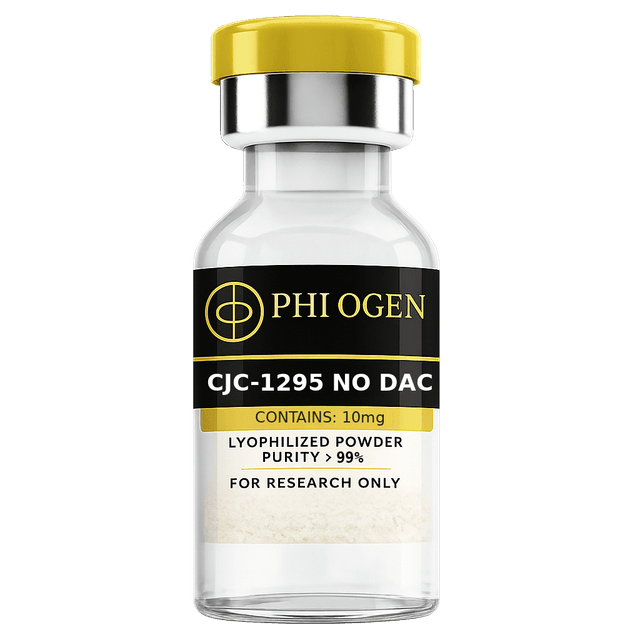
CJC-1295
Peptides Are Not Zero-Risk
One of the most persistent pieces of misinformation in peptide discussions is the idea that these compounds are categorically "safe" in a way that traditional pharmaceuticals are not. That framing is misleading. Peptides are pharmacologically active molecules that interact with specific receptors and signaling pathways in powerful ways — which is precisely why people are interested in them. Any molecule powerful enough to produce a research-relevant effect is powerful enough to produce an off-target effect under certain conditions.
That said, the risk profile of most research peptides is genuinely well-tolerated compared to classical performance-enhancement or anti-aging compounds. Peptide side effects tend to be mechanism-driven (predictable from the peptide's known action), dose-dependent (worse at higher doses, absent at lower), and reversible on cessation. This stands in sharp contrast to steroid side effects, for example, which can be long-lasting and unpredictable. The point is not that peptides are dangerous — the point is that they are serious tools, and serious tools require informed handling.
Risk Profile by Category
| Peptide Class | Severity | Common Effects | Mitigation |
|---|---|---|---|
| Healing (BPC-157, TB-500) | Low | Injection site redness, mild fatigue | Rotate sites, stay hydrated |
| GH Secretagogues (CJC, Ipa) | Low–Moderate | Flushing, tingling, water retention | Dose pre-sleep, avoid sugar post-dose |
| GLP-1 (Semaglutide, Tirzepatide) | Moderate | Nausea, reduced appetite, GI upset | Slow titration, small meals, hydration |
| Melanocortin (MT-2, PT-141) | Moderate | Nausea, flushing, elevated BP | Start microdoses, antihistamine pre-dose |
| Anti-Aging (GHK-Cu, Epithalon) | Low | Local skin irritation, vivid dreams | Use patch test, dose earlier in day |
Healing Peptides: The Gentle Class
BPC-157 and TB-500 sit at the low end of the research-peptide side-effect spectrum. Decades of animal research and years of informal human use data converge on a consistent picture: mild, local, and rare. Most reported effects are injection-site related — transient redness, minor bruising, occasional mild fatigue during active healing phases. Systemic side effects are uncommon enough that when they are reported, investigators typically look for contamination in the source material before blaming the peptide itself.
The one watch-item with healing peptides is their pro-angiogenic effect. Because both BPC-157 and TB-500 promote new blood vessel formation, the theoretical concern is accelerated growth of any existing pathology that depends on vascularization — which is why research around these compounds has generally avoided use in subjects with known active malignancy. For healthy research subjects, the risk signal across years of study remains remarkably clean.
Growth Hormone Secretagogues: Manage the Surge
CJC-1295, Ipamorelin, Sermorelin, and Tesamorelin all work by stimulating endogenous growth hormone release from the pituitary. The side-effect profile is the predictable consequence of pushing GH levels upward: flushing in the minutes after injection, tingling or numbness in extremities, occasional vivid dreams, and water retention in the first week or two of a protocol. These effects are almost always transient and dose-dependent, meaning they resolve with continued use or a lower dose.
The specific combination of CJC-1295 without DAC plus Ipamorelin produces a more physiologic GH pulse than either alone — which, counterintuitively, also means fewer side effects than higher-sustained options. Dose in the evening, ideally pre-sleep, and avoid consuming sugar for 60 to 90 minutes before or after administration, since insulin spikes blunt the GH response and can cause post-injection grogginess that persists the next morning.
GLP-1 Class: The Real Risk Is the GI Tract
Semaglutide and Tirzepatide have dramatically different side-effect profiles than healing peptides, and it is worth knowing this before starting. GLP-1 receptor agonists delay gastric emptying and reduce appetite through central mechanisms — both are features, not bugs, for metabolic research, but they produce real and sometimes significant gastrointestinal effects. Nausea, reduced appetite, occasional vomiting, constipation, and altered stool habits are all expected during the first four to eight weeks of use.
The single most effective mitigation is slow dose titration — starting well below target dose and increasing incrementally over six to eight weeks. The second is consistent hydration and electrolyte management, since reduced food intake often comes with reduced fluid intake, which worsens GI symptoms. Eat small meals when you do eat; avoid high-fat foods which sit in a slow-emptying stomach. Persistent severe abdominal pain, especially upper-right quadrant, is a stop signal — these compounds have a small but documented association with gallbladder issues that deserve attention, not tolerance.
Melanocortin Peptides: Go Low and Slow
Melanotan II and PT-141 produce the most dramatic acute side effects of any peptide class, because they act broadly on the melanocortin receptor family and those receptors are expressed in systems far beyond the pigmentation or libido pathways these compounds target. First-dose nausea is nearly universal, flushing is common, and a temporary rise in blood pressure is well-documented. The research consensus for melanocortin peptides is to start at a small fraction of typical dosing — often 250 mcg or less of MT-2 — and titrate slowly, ideally with an over-the-counter antihistamine pre-dose to blunt the flushing reaction. Never dose a melanocortin peptide immediately before sleep without knowing how you respond; the intense nausea some people experience is significantly worse when supine.
Universal Stop Signals
Across any peptide class, there are symptoms that warrant stopping the protocol and investigating before continuing. These include: chest pain or pressure, severe or worsening headache that does not respond to normal measures, difficulty breathing, spreading rash or hives (a possible allergy signal), significant swelling beyond the injection site, fever without clear cause, and severe abdominal pain especially localized to the upper abdomen. Any of these, in combination with active peptide use, is a reason to pause. Resume only after the symptom has resolved, the cause has been identified, and the connection to the peptide has been reasonably investigated. The goal is not risk-free research — it is informed, responsive research.
Low-Risk Starting Peptides
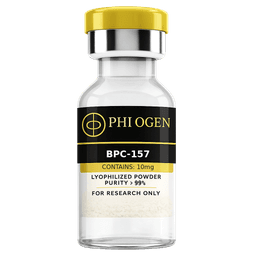
BPC-157 10mg
Body Protection Compound 157 — one of the most studied healing peptides for tissue repair and gut health.
$59.99$53.99—Buy Now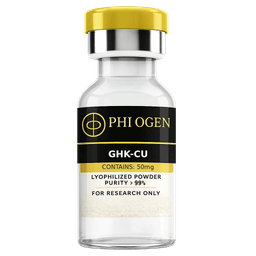
GHK-Cu 50mg
Copper peptide with powerful anti-aging, collagen synthesis, and wound healing properties.
$50.00$45.00—Buy Now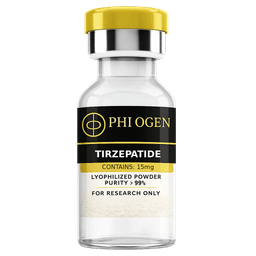
Tirzepatide 15mg
Dual GIP/GLP-1 receptor agonist — clinical trials show 20%+ average weight loss.
$149.99$134.99—Buy Now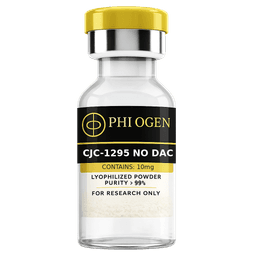
CJC-1295 No DAC 10mg
GHRH analog — stimulates natural pulsatile growth hormone release. Pairs with Ipamorelin.
$79.99$71.99—Buy NowSafety FAQ
Are peptides addictive?
Research peptides are not addictive in the pharmacological sense — they do not activate dopamine reward pathways the way stimulants or opioids do. Some users report psychological dependence on the subjective effects of specific peptides (better sleep, improved recovery, appetite changes), but this is use-habit dependence, not chemical addiction.
Can I drink alcohol during a peptide protocol?
Moderate alcohol use does not appear to interact directly with most peptides, but alcohol is a known disruptor of sleep, growth hormone pulse, and liver function — all of which are downstream of what these compounds are trying to optimize. For research integrity, minimize alcohol during active protocol windows.
Will bloodwork show anything?
Depending on the peptide, yes. GH secretagogues will elevate IGF-1 measurably, GLP-1 agonists will suppress glucose and raise gastric motility markers, healing peptides can shift inflammatory markers transiently. Routine bloodwork panels do not specifically screen for peptide compounds, but downstream effects are detectable.
What if I miss a dose?
For most daily-dosed peptides, simply skip the missed dose and resume on the next scheduled day. Never double a dose to compensate. For weekly-dosed compounds (Semaglutide, Tirzepatide), dose the day you remember if within 48 hours, otherwise skip and resume on the normal schedule.
Quality Is the Foundation of Safety
COA-verified purity, low-endotoxin manufacturing, cold-chain shipping — start with quality, end with confidence.
Browse Catalog →