
How to Buy Peptides Safely — Vendor Checklist & Red Flags
The peptide market is largely unregulated. Knowing how to separate a legitimate supplier from a scam is the most valuable skill a new researcher can build.
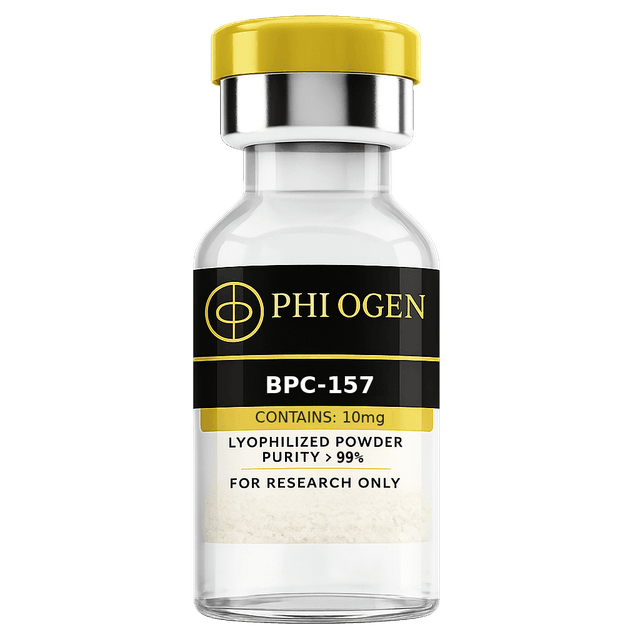
BPC-157
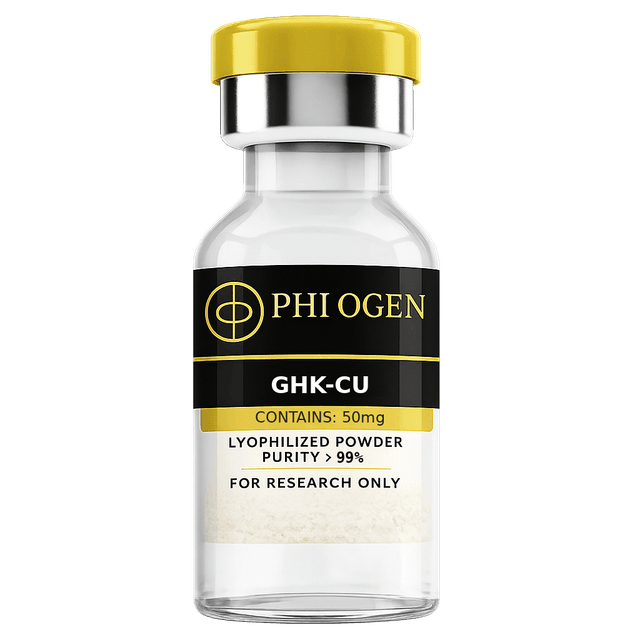
GHK-Cu
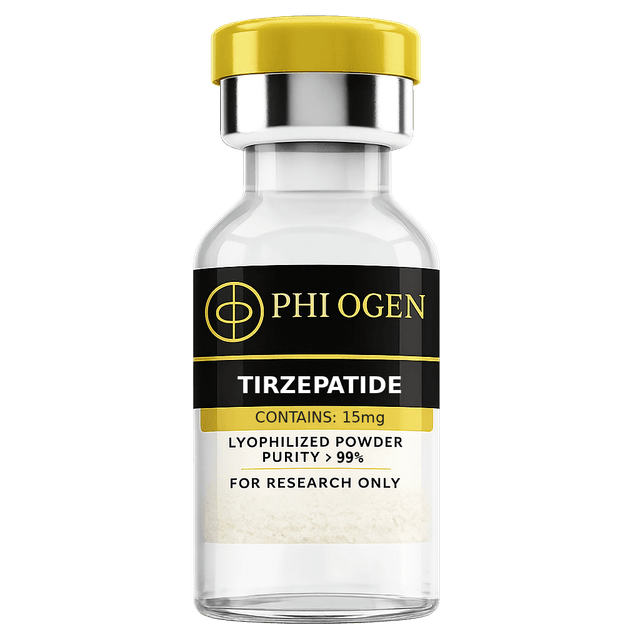
Tirzepatide
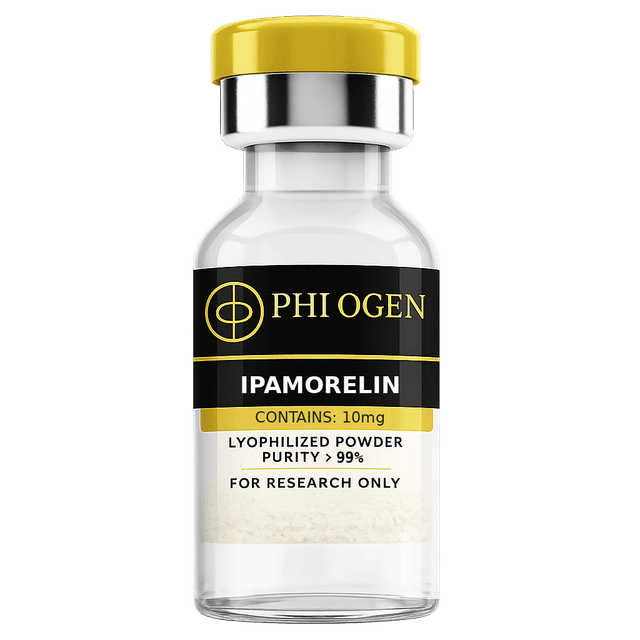
Ipamorelin
The Research Peptide Market Is Not Like Other Markets
When you buy a consumer product from a mainstream retailer, you benefit from a regulatory layer that enforces basic standards. Labels that describe what is in the package. Chain-of-custody records that trace the product back to its manufacturer. Return policies backed by financial institutions that take chargebacks seriously. None of these protections meaningfully exist in the research peptide market. The compounds are sold under research-use-only terms that explicitly disclaim the consumer protections that would otherwise apply, vendors operate across jurisdictions with varying enforcement, and the gap between a legitimate supplier and a bad actor is often invisible from the outside.
That environment puts the burden of quality control squarely on the buyer. The good news is that the vendor quality signals are learnable. Reputable suppliers look fundamentally different from scammers in measurable ways — their documentation is batch-specific, their testing is independent, their claims are restrained, and their pricing reflects the real cost of quality manufacturing. Bad suppliers cut corners in predictable places, and once you know where to look, identifying them becomes straightforward.
The Buyer's Checklist
- ✓Batch-specific COA from an independent lab on every product
- ✓HPLC purity ≥99% with mass spec identity confirmation
- ✓Endotoxin testing for injection-route peptides
- ✓Cold-chain shipping option, especially in summer months
- ✓Clear research-use-only disclaimer and no medical claims
- ✓Established track record with verifiable batch history
- ✗Unusually low prices that undercut the market significantly
- ✗No COA, or a single "universal" COA applied to all products
- ✗Medical claims about curing, treating, or dosing for human conditions
- ✗Only accepts cryptocurrency or payment apps that prevent refunds
- ✗Brand-new vendor with no review history
- ✗Generic or stock product imagery across the entire catalog
Pricing That Tells the Truth
A question that new buyers often ask is why a 10 mg vial of BPC-157 from one vendor costs $45 while another vendor advertises the same compound for $18. The answer is almost always manufacturing and testing differences. Quality peptide synthesis requires specialized equipment, pharmaceutical-grade solvents, and analytical testing at multiple stages. Independent COA testing at an external laboratory adds further cost. Cold-chain logistics and proper storage infrastructure add more. When all of these costs are paid, a 10 mg vial of BPC-157 has a floor on what it can be sold for profitably.
Vendors selling at fractions of that floor price are not passing savings to customers. They are cutting corners somewhere — lower-grade raw material, domestic synthesis from questionable precursors, skipped testing, inadequate storage. The peptide in the vial may contain the right compound at some purity level; it may contain something else entirely; it may contain the right compound with an endotoxin load high enough to produce noticeable inflammation. The common trait is that you have no way to know, because the cost savings were specifically achieved by skipping the verification steps that would have told you. Rule of thumb: if the price seems too good to be true, it is not a pricing insight, it is a warning.
The Fastest Vendor Vetting Process
- 1. Open the COA page. A reputable vendor has one. It should be linked from every product page or easily findable from the site menu. No COA page at all is a full stop — move to the next vendor.
- 2. Check if COAs are batch-specific. Click into a product. Is there a specific COA tied to the current batch, or is there a single generic PDF labeled "BPC-157 COA" with no batch number? Generic COAs mean no quality control is happening.
- 3. Verify the testing laboratory. The COA should name the lab. Google it. A real, independently-verifiable analytical lab with a real address and other published work is what you want to see. A COA that names an unrelated entity or provides no laboratory information is not a COA.
- 4. Look at product imagery. Do products have unique, professional photos that match what you will receive, or stock images that appear on a hundred other vendor sites? Original photography is a small investment that bad actors typically skip.
- 5. Read the disclaimer language. Reputable vendors explicitly state research-use-only and avoid any medical claims. Vendors that discuss human dosing, therapeutic uses, or treatment of conditions are ignoring a legal line that exists for good reason.
- 6. Search the vendor name plus "review" or "scam." Not definitive, but informative. A vendor with a multi-year track record and mixed reviews is almost always safer than a vendor with three months of history and uniformly glowing testimonials.
- 7. Start small. Order a single low-cost product first. Verify the COA matches the batch number on the vial. Check that the product reconstitutes cleanly. Only scale up orders after you have personally validated the supplier.
Legal and Payment Considerations
Research peptides in most jurisdictions exist in a legal category designed for laboratory use rather than consumer retail. They are not FDA-approved for human therapeutic use, and vendors are explicit that sale is restricted to research, educational, and laboratory contexts. What you do with material you purchase is subject to the laws of your jurisdiction, and reputable vendors will not advise you on that question because answering it correctly requires a lawyer in your specific location.
Payment method matters. Established vendors accept standard methods — credit card, PayPal, bank transfer — and stand behind their product with refund policies. Vendors that accept only cryptocurrency, only wire transfers, or only obscure payment apps are often structured this way specifically because those methods prevent chargebacks. A legitimate supplier does not need to avoid chargebacks; their product is good and disputes are rare. A bad actor does need to avoid them, because their product will generate disputes.
What Genuine Vendor Looks Like
When every checklist item above is satisfied — batch-specific COA from an independent lab, 99%+ HPLC purity with MS confirmation, endotoxin testing where appropriate, clear research-use-only framing, established history, transparent pricing, professional imagery, standard payment methods — what you have is a vendor worth ongoing relationship. The peptide research community is smaller than it appears, and repeat purchasing from a verified supplier is orders of magnitude safer than chasing marginal savings across untested vendors. Once you find a good source, stick with them. The quality consistency is worth more than the occasional cheaper alternative.
Featured Verified Peptides
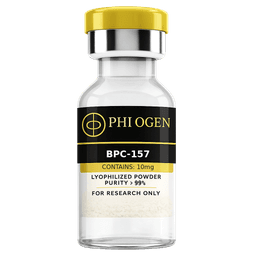
BPC-157 10mg
Body Protection Compound 157 — one of the most studied healing peptides for tissue repair and gut health.
$59.99$53.99—Buy Now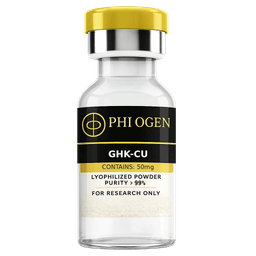
GHK-Cu 50mg
Copper peptide with powerful anti-aging, collagen synthesis, and wound healing properties.
$50.00$45.00—Buy Now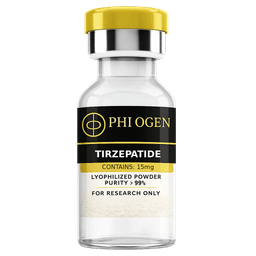
Tirzepatide 15mg
Dual GIP/GLP-1 receptor agonist — clinical trials show 20%+ average weight loss.
$149.99$134.99—Buy Now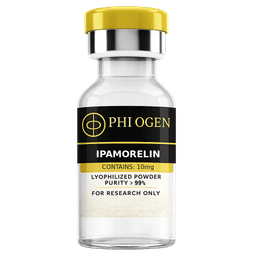
Ipamorelin 10mg
Selective GH secretagogue with minimal side effects — the cleanest GHRP available.
$59.99$53.99—Buy NowBuying Safely FAQ
What if my order shows up without documentation?
Contact the vendor immediately and request the batch-specific COA. A reputable supplier will provide it within one business day. If they cannot or will not, document the interaction and do not use the material — your next purchase should be from a different vendor.
Is it safe to buy international?
Cross-border peptide purchase carries additional considerations around customs, shipping time (which can affect cold-chain integrity), and legal standing. Domestic sourcing from a verified vendor is typically the cleaner choice for most researchers.
What if a peptide doesn't produce expected effects?
First rule out dosing, timing, and reconstitution errors. Second, send a sample to third-party testing (Janoshik or similar) for independent purity and identity verification. Third-party testing is the only way to distinguish a low-quality product from a protocol error.
How much should I order at once?
Start with one or two low-cost products as a vendor validation buy. Once verified, ordering 2–3 months of protocol at a time makes sense for established compounds, with frozen long-term storage for excess. Avoid large one-time orders from new vendors — spread risk across multiple small validations.
Shop With Confidence
COA-documented, lab-tested, cold-chain shipped — peptides you can verify before you open.
Browse Verified Catalog →