
Peptide Storage & Shelf Life — The Definitive Guide
Where you keep a peptide determines how long it keeps its potency. Get this right and your research is consistent. Get it wrong and you're pouring money down the drain.
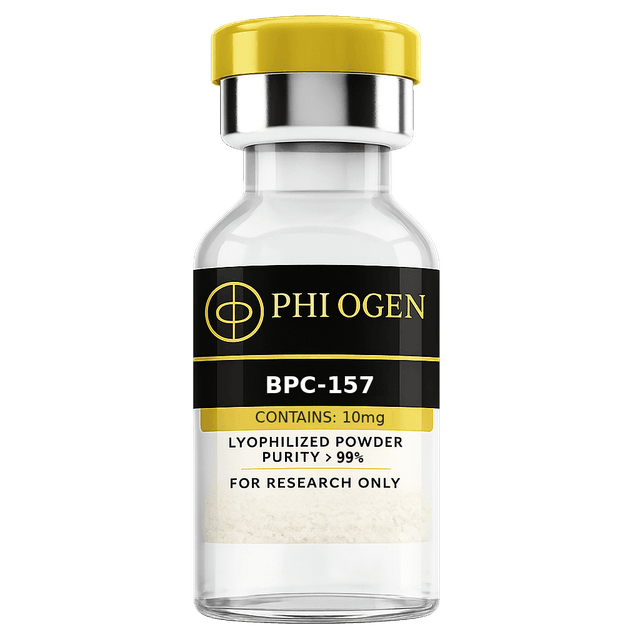
BPC-157
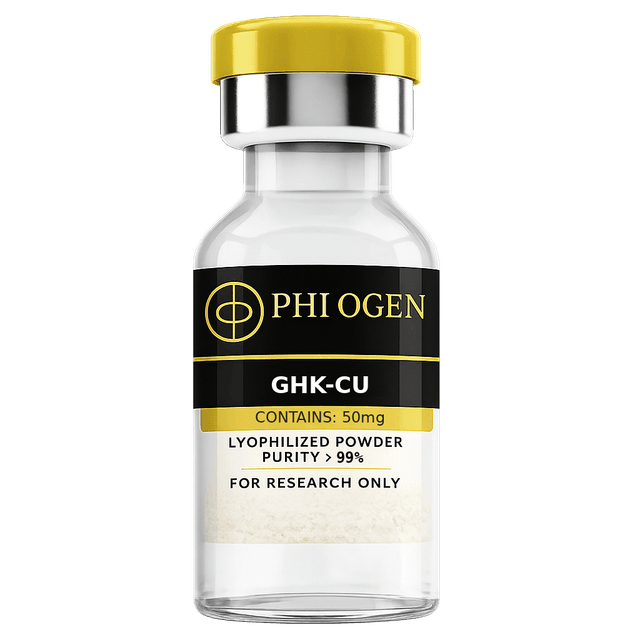
GHK-Cu
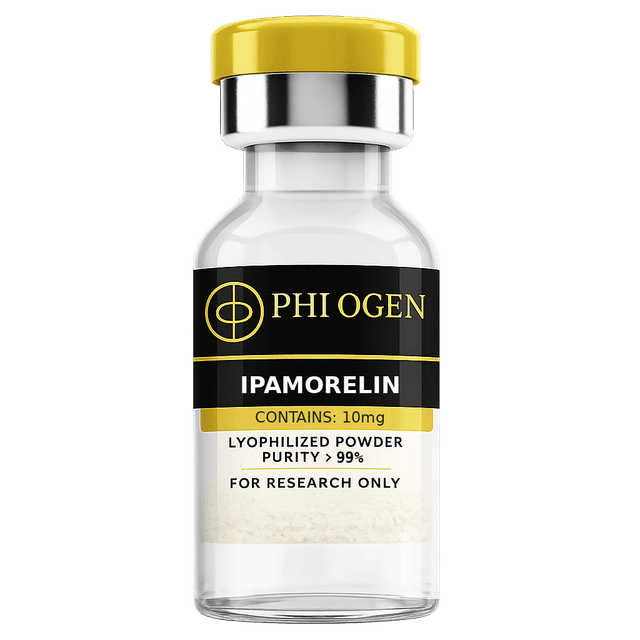
Ipamorelin
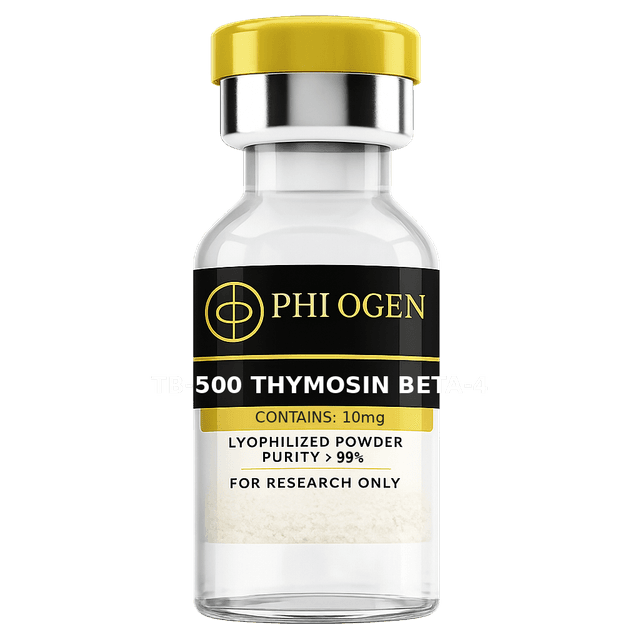
TB-500
The Two Completely Different Storage Questions
There is no single answer to "how do I store my peptides" because there are really two completely different questions hiding inside that one. The first: how do I store lyophilized peptides that have never been opened? The second: how do I store peptides I have already reconstituted into solution? These two states — dry powder versus aqueous solution — follow different rules, have different shelf lives, and fail in different ways. Confusing the two is one of the most common and expensive mistakes a new researcher makes.
Lyophilized peptide is dry. No water, no enzymatic activity, no hydrolysis. It is one of the most stable forms any biological molecule can take, and it will sit in a well-sealed vial for years at appropriate temperature. Reconstituted peptide is active, aqueous, and vulnerable to everything — heat, light, microbial growth, pH drift, and mechanical shock. Treating these two the same way is why some researchers report that their BPC-157 "stopped working after a month" (it didn't stop working — it was stored incorrectly) or that their MT-2 "went cloudy" (not a mystery — it was left at room temperature).
Storage by State and Temperature
| State | Temperature | Expected Shelf Life |
|---|---|---|
| Lyophilized (sealed) | −20 °C freezer | 24+ months |
| Lyophilized (sealed) | 2–8 °C refrigerator | 12–18 months |
| Lyophilized (sealed) | Room temperature | 1–3 months (shipping only) |
| Reconstituted | 2–8 °C refrigerator | 4–6 weeks |
| Reconstituted | Frozen | Not recommended — fracturing risk |
| Reconstituted | Room temperature | Hours only |
Long-Term Storage: The −20 °C Freezer
The gold standard for lyophilized peptide storage is a −20 °C freezer, which is the temperature of a standard consumer chest freezer or the freezer compartment of most household refrigerators. At this temperature, virtually all chemical degradation is halted. A sealed vial of lyophilized BPC-157, GHK-Cu, or CJC-1295 stored at −20 °C will retain full potency for two years or more, and informal stability testing by research labs has found activity retention well beyond labeled shelf life when storage was consistent.
What matters here is consistency, not extremity. You do not need a −80 °C ultra-low freezer. You do need a freezer that does not defrost cyclically, that does not get opened dozens of times a day, and that does not share space with food items that produce condensation when removed. A small, dedicated mini-freezer in a utility area is the setup most serious researchers land on, and they cost less than a single bulk peptide order.
Everyday Storage: The Refrigerator
For vials you are actively using — the one you reconstituted last week, the one you'll finish in a month — the refrigerator is the correct home. Target temperature is 2 to 8 °C, which is the range a standard refrigerator maintains in most compartments other than the door. Avoid door storage. The door swings through temperature cycles every time it opens and shuts, and those cycles accelerate degradation over weeks of use.
Place reconstituted vials toward the back of a middle shelf, ideally in a small opaque container or insulated pouch to shield against light exposure when the fridge is open. Ultraviolet and visible-light exposure is a minor but real degradation pathway for many peptides; dark storage is a zero-cost improvement. A reconstituted peptide kept in a cold, dark refrigerator compartment retains full research activity for four to six weeks for most compounds on this catalog, sometimes longer.
What Happens When Storage Goes Wrong
A lyophilized vial left at room temperature for a few weeks in shipping is not a disaster. Peptide vendors ship at ambient temperature routinely, and a sealed lyophilized compound tolerates this reliably for one to three months. The moment you see a package sitting on your porch in July heat, however, you should move the vials to the refrigerator within hours. Short exposure to elevated temperature is recoverable; prolonged exposure is not.
A reconstituted vial left at room temperature is a different story. Within 24 hours at room temperature, you will see measurable degradation on most peptides, and within a week you will have substantially reduced potency even if the solution still looks clear. Visual cues of a failed reconstitution include cloudiness, particulate formation, yellowing, or any visible sediment. Any of these is a signal to discard the vial. Do not try to rescue a cloudy solution — the molecular damage that produces visible change is far beyond what any technique can reverse.
The Freezing-Reconstituted-Peptide Debate
A frequent question in research forums is whether reconstituted peptides can be frozen to extend shelf life. The short answer is no, and the reason is mechanical. When an aqueous solution freezes, ice crystals form, and those crystals physically shear peptide molecules in the same way violent shaking does. Some peptides tolerate a single freeze-thaw cycle with minimal activity loss; most lose a measurable percentage of potency per cycle. Best practice is to reconstitute only what you will use within four to six weeks, keep the lyophilized material frozen until needed, and accept that "freezing reconstituted material to save it" is almost always worse than just reconstituting fresh.
Peptides We Recommend Keeping on Hand
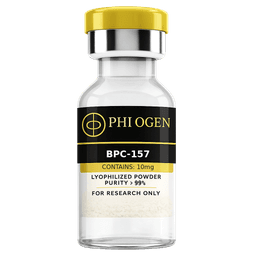
BPC-157 10mg
Body Protection Compound 157 — one of the most studied healing peptides for tissue repair and gut health.
$59.99$53.99—Buy Now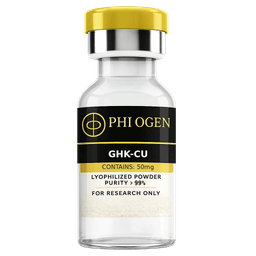
GHK-Cu 50mg
Copper peptide with powerful anti-aging, collagen synthesis, and wound healing properties.
$50.00$45.00—Buy Now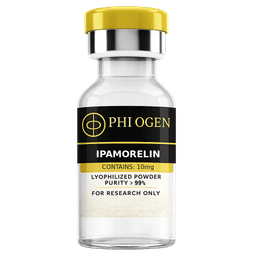
Ipamorelin 10mg
Selective GH secretagogue with minimal side effects — the cleanest GHRP available.
$59.99$53.99—Buy Now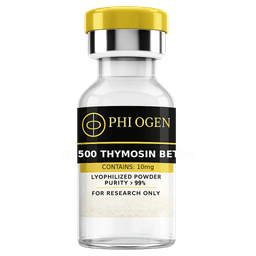
TB-500 (Thymosin Beta-4) 10mg
Thymosin Beta-4 fragment — systemic healing, flexibility, and tissue regeneration.
$59.99$53.99—Buy NowStorage FAQ
Do I need to refrigerate lyophilized peptides immediately after they arrive?
Within 24 hours, yes — move them into cold storage. Short shipping exposure is tolerated by lyophilized product, but prolonged room-temperature storage will shorten shelf life significantly. For vials you will not use within a few months, move to a freezer rather than the fridge.
My reconstituted vial looks slightly cloudy. Is it ruined?
Most likely, yes. Visible cloudiness indicates particulate formation or microbial contamination, both of which are irreversible. Some peptides produce transient bubbles or mild turbidity in the first few minutes after reconstitution that clears on its own — if it persists longer than thirty minutes, discard.
Can I store multiple reconstituted vials in the same container?
Yes, provided they are all sealed and clearly labeled with the reconstitution date. Labeling is non-optional for serious research — unmarked vials become garbage within a few weeks because you cannot verify their age or identity.
How do I know if a peptide has degraded below usable potency?
Without HPLC testing, you cannot measure exact potency loss at home. The practical approach is to follow known shelf-life windows and discard vials at the end of them, rather than stretching usage and getting inconsistent research results. Visual cues (cloudiness, color change, particulates) indicate extreme degradation, but earlier activity loss is invisible.
Fresh Stock, Cold-Chain Shipped
Every order ships cold-chain protected with full COA documentation — peptides you can store with confidence.
Browse Catalog →