
Peptide COA & Purity — How to Read a Certificate of Analysis
A COA is the single most important document attached to any peptide you buy. Knowing how to read one — and how to spot a fake — is non-negotiable for serious research.
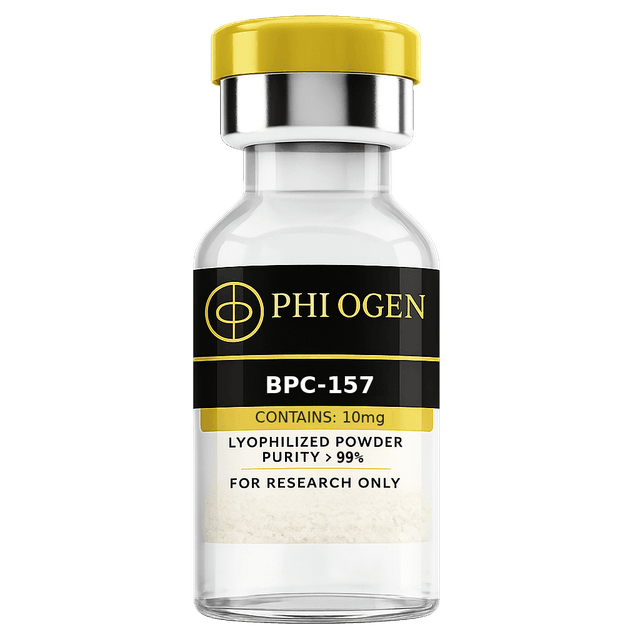
BPC-157
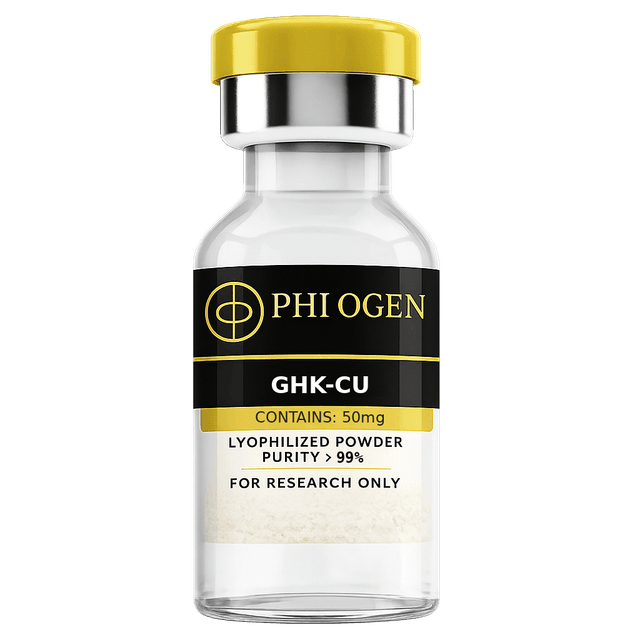
GHK-Cu
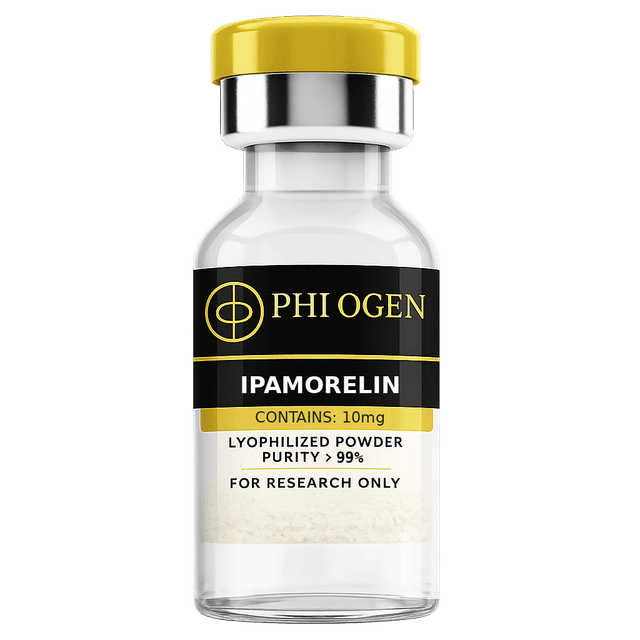
Ipamorelin
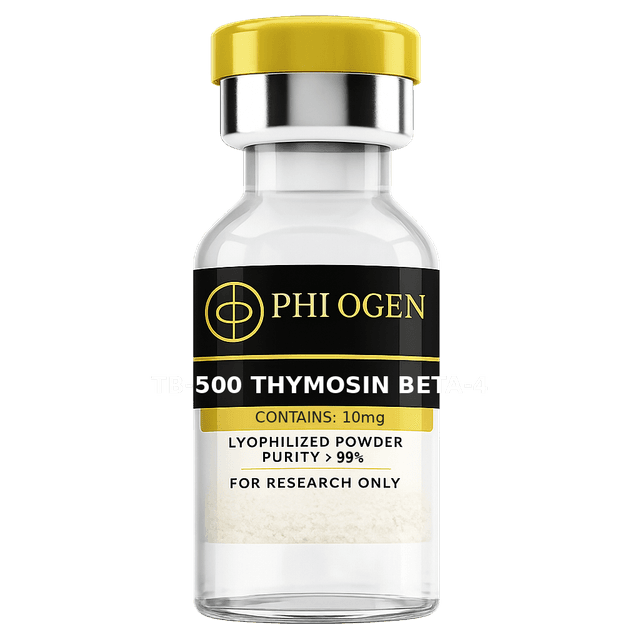
TB-500
What a COA Actually Is
A Certificate of Analysis is a batch-specific laboratory report that certifies the identity, purity, and key impurity content of a manufactured peptide. It is not a marketing document, not a vendor self-assessment, and not a general statement about "quality." Done correctly, a COA is produced by an independent analytical laboratory — ideally one the vendor does not own or operate — using validated instrumentation to answer three specific questions. Is this molecule what the label says it is? How pure is it by mass? What is in the remaining percentage?
Every batch of every peptide sold for research should have its own COA. A COA issued for a different batch, or a COA from six months ago used to justify a vial produced last week, is effectively a document that does not apply to the material in your hand. One of the clearest signals of a reputable vendor is COA documentation that is current, batch-specific, and available either attached to the shipment or accessible on the vendor's website by batch number.
HPLC — The Purity Number That Actually Matters
High-Performance Liquid Chromatography is the standard method for measuring peptide purity. In short, a sample is dissolved, pushed through a specialized column at high pressure, and the molecules in the sample are separated based on their chemical properties and detected as they emerge. The resulting chromatogram is a graph with peaks — each peak represents a distinct molecular species in the sample.
For a reputable research peptide, you expect to see one dominant peak representing the target compound, with 99% or higher of the total area under all peaks. The remaining 1% or less is the combination of synthesis byproducts, slightly truncated peptide chains, and solvent traces. A COA that reports HPLC purity of 95% is not acceptable for serious research, no matter how inexpensive the product. The practical difference between 95% and 99% purity is substantial: at 95%, you are dosing 5% of the material as unknown non-target compounds, which is a significant source of both unreliable research results and unexpected side effects.
Mass Spectrometry — The Identity Check
HPLC tells you how pure the dominant peak is. It does not tell you whether the dominant peak is actually the peptide you ordered. That job belongs to mass spectrometry, the second instrument you should expect to see referenced on any serious COA. Mass spec fragments the molecule and measures the mass-to-charge ratio of the resulting fragments — the pattern it produces is effectively a molecular fingerprint that can be matched against the known theoretical spectrum of the target compound.
When you see "MS confirmed" or "M+H observed: 2423.7 / theoretical: 2424.0" on a COA, this is the document confirming that the compound in the vial is, in fact, the compound the label claims. A COA that reports HPLC purity but lacks mass spec confirmation is incomplete, because it cannot rule out a case where a high-purity sample of the wrong peptide has been mislabeled. Good vendors perform both tests on every batch.
Endotoxin Testing — The Quiet Safety Metric
Beyond identity and purity, a third number that belongs on any injection-grade peptide COA is endotoxin content, typically reported as endotoxin units per milligram (EU/mg). Endotoxins are fragments of bacterial cell walls that contaminate samples when manufacturing controls fail, and they provoke strong inflammatory responses even in trace amounts. For peptides intended for injection, research-grade endotoxin content should be reported below 10 EU/mg, and ideally well under 1 EU/mg for material that will be used in sensitive in vitro work.
Many low-quality vendors skip this test entirely, which is why you occasionally see reports of unexplained injection-site inflammation or transient low-grade fever in users who switch from a reputable brand to a discount supplier. The peptide itself may be acceptable on HPLC; the manufacturing environment may not. Endotoxin testing is the canary for manufacturing quality control.
How to Spot a Fake or Cooked COA
Falsified COAs are common in unregulated corners of the peptide market. The red flags are learnable. A genuine COA will have a batch number that matches the label on your vial exactly. It will be dated within the manufacturing window (typically within 90 days of the product being released). It will include the name and address of the testing laboratory, and that laboratory will be a real, independently-verifiable entity — not the vendor itself. It will include raw data, either embedded chromatograms or referenced data files, rather than a single summary line that says "99.2% pure."
A fake COA typically has the opposite profile. Mismatched batch numbers, no laboratory name, stock images or cut-and-pasted chromatograms, suspiciously round numbers (99.9% purity for every product the vendor sells is not plausible — real samples have batch-to-batch variation), or COAs available only as low-resolution images rather than signed PDFs. The gold standard is a vendor that posts COAs by batch to a public URL that predates your order, so you can verify documentation before you purchase rather than after.
COA-Verified Peptides
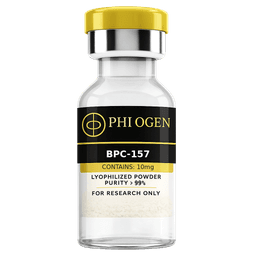
BPC-157 10mg
Body Protection Compound 157 — one of the most studied healing peptides for tissue repair and gut health.
$59.99$53.99—Buy Now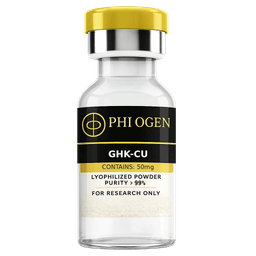
GHK-Cu 50mg
Copper peptide with powerful anti-aging, collagen synthesis, and wound healing properties.
$50.00$45.00—Buy Now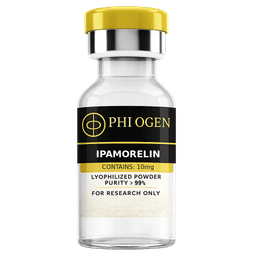
Ipamorelin 10mg
Selective GH secretagogue with minimal side effects — the cleanest GHRP available.
$59.99$53.99—Buy Now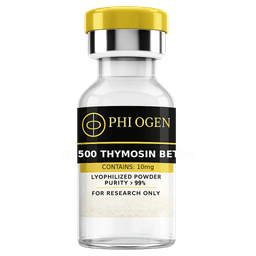
TB-500 (Thymosin Beta-4) 10mg
Thymosin Beta-4 fragment — systemic healing, flexibility, and tissue regeneration.
$59.99$53.99—Buy NowCOA FAQ
Should every order include a COA?
Yes. A COA should be either included in the shipment or available on request with the batch number printed on the vial. If a vendor cannot produce a batch-specific COA, that vendor should not be the one you're buying from.
What purity threshold is acceptable?
99% or higher by HPLC area-under-the-curve is the standard for research peptides. 98% is borderline. 95% or below is substandard and should be avoided for any serious research use.
Can I test a peptide myself?
Full analytical testing requires HPLC and mass spec instrumentation, which is beyond practical home use. Some researchers send samples to third-party testing services (Janoshik Analytical is the most well-known consumer-facing option for peptides) for independent verification when they want to confirm a vendor's claims.
What if the COA arrives but looks different from the product?
Batch number mismatch, visual discrepancy, or date inconsistency are all legitimate reasons to contact the vendor and request documentation before using the material. A reputable supplier will resolve this quickly.
Every Vial, COA Documented
Third-party HPLC and mass spec on every batch — research-grade verification on every order.
Browse Catalog →