
Peptides vs SARMs: Which Actually Fits Your Research?
Both get mentioned in the same breath in fitness and optimization circles, but they are fundamentally different classes of compound with different mechanisms, different risk profiles, and different ideal use cases.
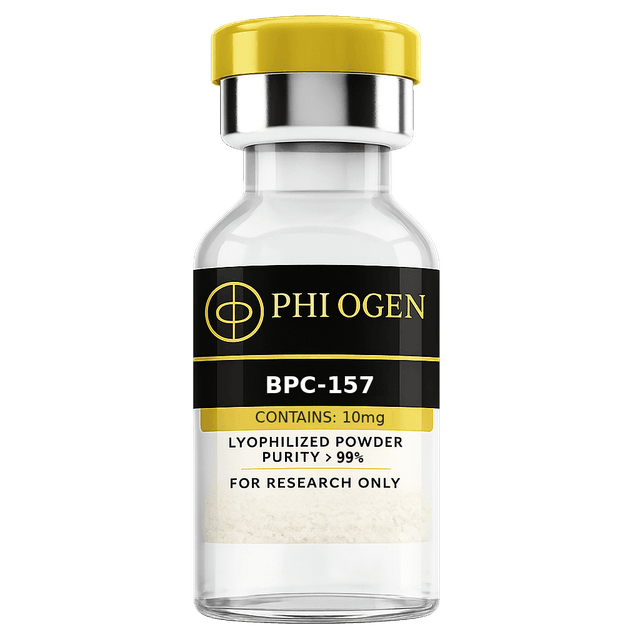
BPC-157
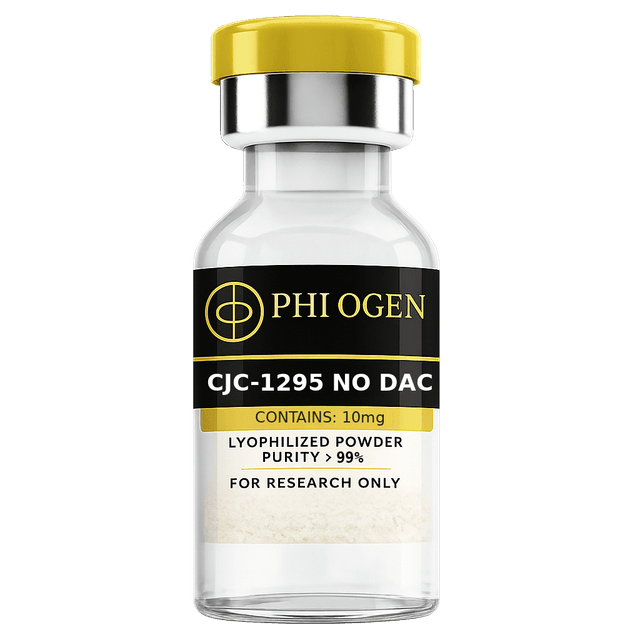
CJC-1295
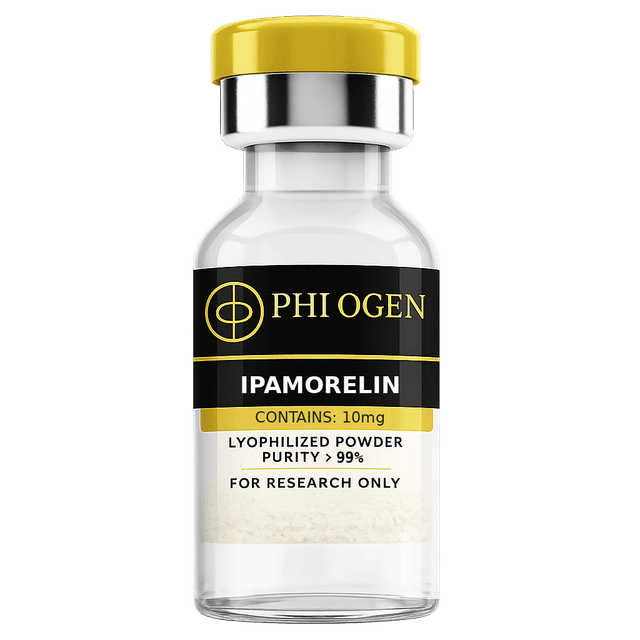
Ipamorelin
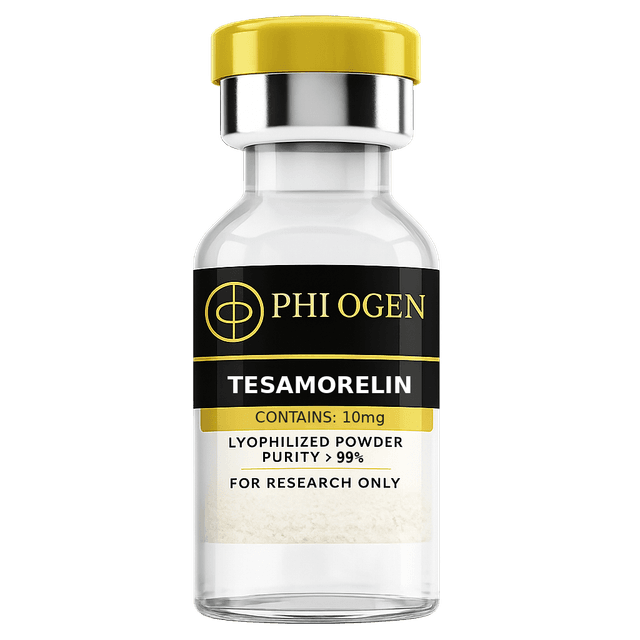
Tesamorelin
The Categories Are Not Interchangeable
The question of whether to use peptides or SARMs for a given research outcome often rests on a false premise that the two are alternatives targeting the same biological territory. They are not. Peptides are short chains of amino acids that signal through the body's native receptor systems — most commonly the receptors the body already uses to coordinate healing, growth hormone release, appetite, sleep, or pigmentation. SARMs, by contrast, are synthetic small molecules designed to selectively activate the androgen receptor in specific tissues (muscle and bone) while minimizing activation in others (prostate, scalp). They are structurally and pharmacologically very different drugs.
The practical consequence is that peptides and SARMs are rarely substitutes for each other. A researcher interested in accelerated tendon recovery has no SARM option that approximates BPC-157; a researcher interested in pure hypertrophy has no peptide option that approximates the androgen-driven muscle accrual of RAD-140 or LGD-4033. The correct framing is not "which is better" but "which is appropriate for what you are actually trying to investigate."
Dimension-by-Dimension Comparison
| Dimension | Peptides | SARMs |
|---|---|---|
| Mechanism | Receptor signaling, short-chain biology | Selective androgen receptor modulation |
| Molecule type | Amino acid chains | Small-molecule synthetic compounds |
| Route | Typically subcutaneous injection | Oral tablets or suspension |
| Hormonal impact | Usually none or indirect | Direct HPTA suppression |
| Liver load | Minimal | Moderate to significant |
| Detection window | Hours to days | Weeks to months |
| Off-cycle recovery | Usually not required | PCT often required |
Mechanism Determines Everything Downstream
A SARM binds to the androgen receptor. That single fact cascades into every downstream consideration: hypothalamic-pituitary-testicular axis suppression, shifts in lipid profiles, potential liver strain, testosterone recovery requirements after cycle. SARMs produce anabolic effects through fundamentally the same pathway that anabolic steroids do, just with tissue selectivity intended to reduce peripheral side effects. Whether that selectivity holds up in real-world use is an ongoing debate, and the liver effects observed in user reports suggest that "selectivity" is a design target more than an achieved outcome for many of these compounds.
Peptides bind to a much wider variety of receptors depending on the compound. BPC-157 interacts with angiogenic and growth factor signaling in damaged tissue. CJC-1295 acts on GHRH receptors in the pituitary. GHK-Cu modulates copper-dependent enzymes involved in extracellular matrix remodeling. None of these pathways intersect significantly with the androgen receptor, which means peptides generally do not produce HPTA suppression, liver strain, or post-cycle recovery requirements. The tradeoff: they also do not produce the direct anabolic muscle accrual that is the central appeal of SARMs for pure hypertrophy goals.
What Peptides Do Better
Peptides dominate SARMs in several well-defined domains. Tissue healing and tendon repair: BPC-157 and TB-500 have no SARM equivalent. Fat loss with appetite modulation: Tirzepatide and Semaglutide (GLP-1/GIP agonists) produce effects SARMs cannot approach. Skin quality and collagen density: GHK-Cu operates on entirely different pathways than androgens. Growth hormone axis work: CJC-1295 plus Ipamorelin elevates endogenous GH and IGF-1 without the androgen-receptor activity that defines SARM action. Cognitive enhancement: Selank and Semax exist in a category that SARMs do not enter at all.
Additionally, peptides tend to be better tolerated over long research horizons. The kind of cycles a researcher might run quarterly over several years with peptides tend to produce far fewer cumulative side effects than the equivalent exposure to SARM compounds, in part because peptides more closely mimic signals the body already processes and in part because peptide half-lives are typically measured in hours rather than days.
What SARMs Do Better
SARMs retain an edge in one narrow domain: direct, rapid muscle mass and strength gain in a short cycle. For a researcher whose primary interest is lean tissue accrual on the order of several pounds over eight to twelve weeks, SARMs produce that outcome more efficiently than any peptide or peptide stack currently available. MK-677 (technically a ghrelin mimetic, not a SARM, though frequently lumped with them) is sometimes used in this context for its GH/appetite effects. RAD-140 and LGD-4033 produce androgen-driven hypertrophy that peptide protocols simply do not. The cost is the entire downstream profile — HPTA suppression, liver load, extended detection windows, post-cycle recovery requirements — that peptides avoid. The tradeoff is legitimate and specific to the research goal.
Choosing What Actually Fits Your Research
Recovery from injury, tendon or ligament damage, chronic pain: Peptides (BPC-157, TB-500). SARMs have no mechanism here.
Fat loss, appetite reduction, metabolic research: Peptides (Tirzepatide, Semaglutide, 5-Amino-1MQ).
Skin, hair, collagen, aesthetic optimization: Peptides (GHK-Cu, Epithalon).
Growth hormone axis support, body recomposition, sleep: Peptides (CJC-1295 + Ipamorelin, Tesamorelin, Sermorelin).
Pure rapid hypertrophy and strength: SARMs retain the edge, with the downstream costs.
Cognitive enhancement, stress modulation, anxiety research: Peptides (Selank, Semax). SARMs have no relevance here.
Low side-effect profile, long-horizon research: Peptides, nearly across the board.
Peptides Worth Starting With
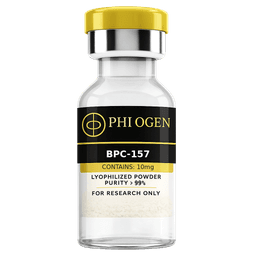
BPC-157 10mg
Body Protection Compound 157 — one of the most studied healing peptides for tissue repair and gut health.
$59.99$53.99—Buy Now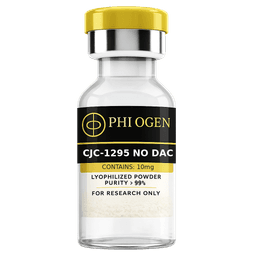
CJC-1295 No DAC 10mg
GHRH analog — stimulates natural pulsatile growth hormone release. Pairs with Ipamorelin.
$79.99$71.99—Buy Now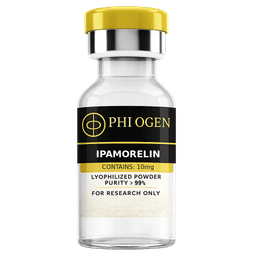
Ipamorelin 10mg
Selective GH secretagogue with minimal side effects — the cleanest GHRP available.
$59.99$53.99—Buy Now
Tesamorelin 10mg
GHRH analog with robust clinical data for visceral fat reduction and metabolic improvement.
$119.99$107.99—Buy NowPeptides vs SARMs FAQ
Can I combine peptides and SARMs?
Mechanistically they are non-overlapping, so stacking is possible. In practice, combining adds complexity to side-effect attribution and is not commonly recommended without a specific reason. For most research goals, one class or the other is sufficient.
Which is safer?
Peptides have substantially lower documented side-effect profiles across nearly every relevant dimension — hormonal, hepatic, cardiovascular. SARMs, while tissue-selective, still produce systemic effects that peptides do not.
Which produces faster visible results?
Depends on the outcome. SARMs produce faster muscle gain; peptides produce faster tissue healing, fat loss (with GLP-1 class), and skin-quality changes. No single compound is universally fastest.
Is MK-677 a SARM?
Technically no. MK-677 (Ibutamoren) is an orally-active ghrelin mimetic, placing it closer to the growth hormone secretagogue class of peptides functionally, even though it is a small molecule structurally. It is often grouped with SARMs in popular discussion because of how it's sold and used.
Pick the Right Tool for Your Research
Browse 130+ lab-tested research peptides with third-party COA verification.
Browse Peptides →