
The Complete Peptide Injection Guide
Route, site, needle, and technique — the four variables that determine whether a research protocol works or just bruises.
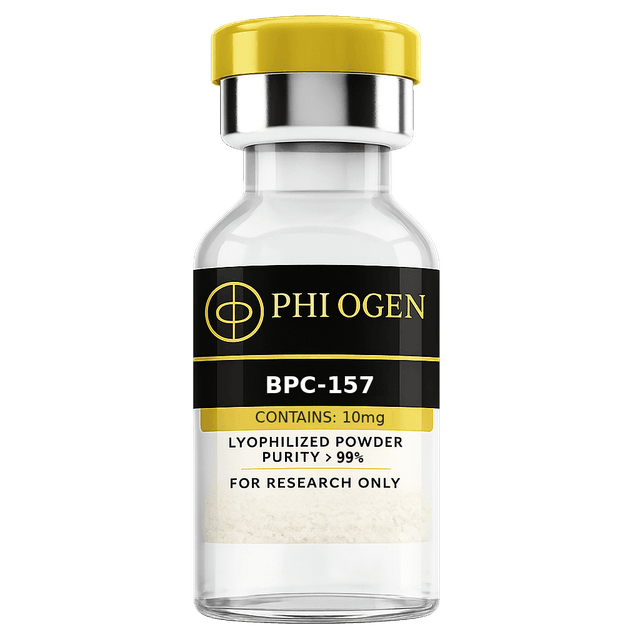
BPC-157
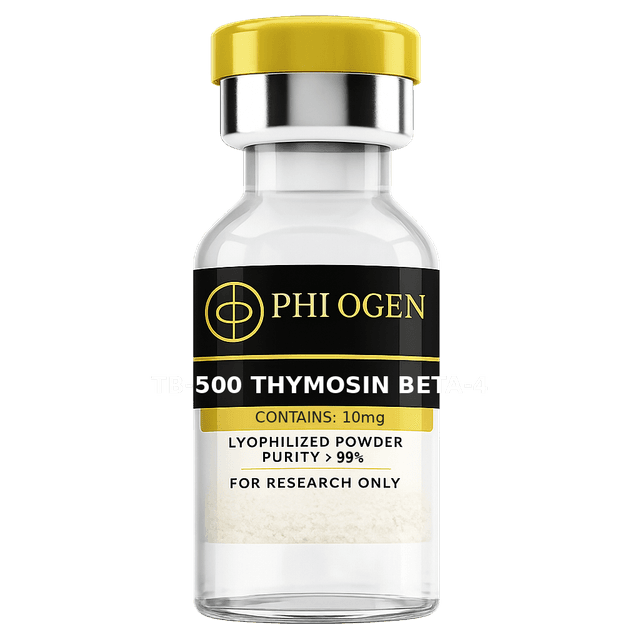
TB-500
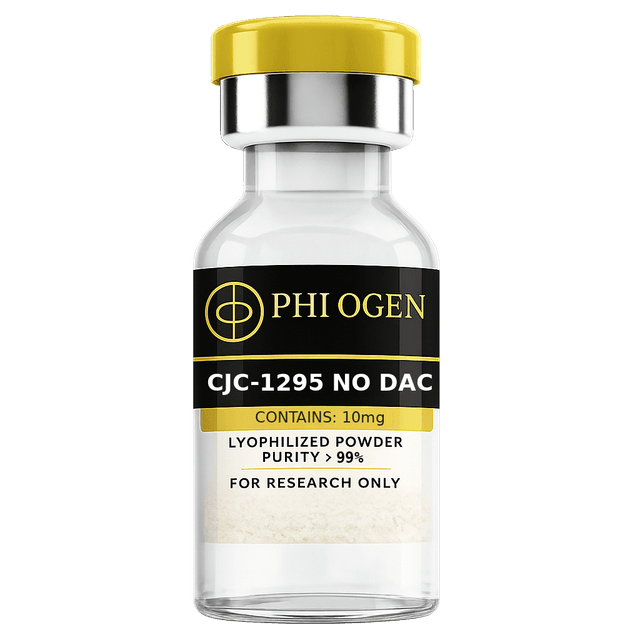
CJC-1295
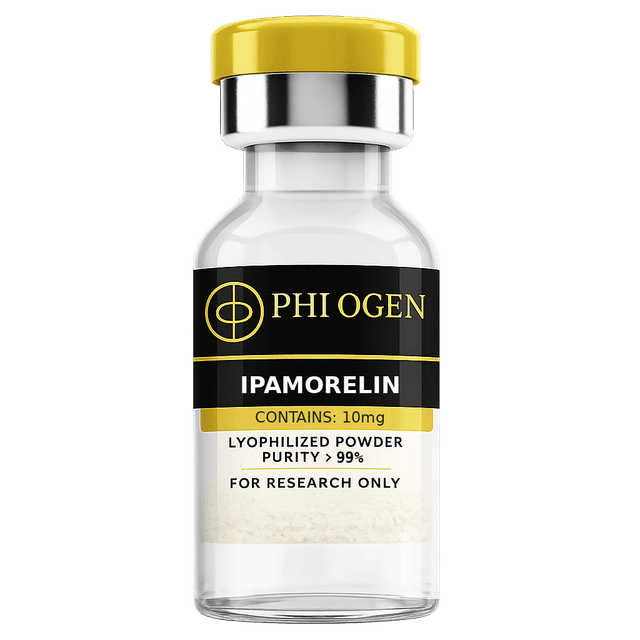
Ipamorelin
Subcutaneous Is the Default
For the overwhelming majority of research peptides — BPC-157, TB-500, CJC-1295, Ipamorelin, Tesamorelin, Semaglutide, Tirzepatide, and most of the healing and metabolic compounds — the subcutaneous route is the correct default. That means delivering the peptide into the fatty tissue just under the skin, rather than into muscle or directly into a vein. The subcutaneous route produces a slower, more sustained absorption curve that matches the pharmacokinetics of these molecules, minimizes local irritation, and dramatically reduces the barrier to daily or twice-daily administration.
The best subcutaneous sites are the lower abdomen (anywhere a pinch of fat can be lifted, at least two inches from the navel) and the outer upper thigh. Both tissues are well-vascularized enough to absorb peptides reliably, far enough from major nerves and vessels to be low-risk, and easy for a researcher to reach without assistance. Site rotation matters: never inject into the same spot twice within a 72-hour window, and rotate between the left and right side of whatever region you use. Consistent rotation prevents the lipohypertrophy — localized fat thickening — that chronic injection into one spot will eventually produce.
Needle Selection
The standard injection tool for subcutaneous peptide work is a 31-gauge, 5/16-inch insulin syringe with 100-unit capacity. Those three numbers matter. 31-gauge is thin enough that most researchers report no meaningful sensation on entry; 5/16-inch is short enough to stay in subcutaneous tissue without hitting muscle; 100-unit capacity gives you the full resolution needed for accurate small-volume dosing. Syringes marketed for diabetics are identical in function to those sold for research purposes and are what most researchers use in practice.
For intramuscular delivery — relatively rare in peptide research, but occasionally indicated — a longer 1-inch needle in the 23 to 25-gauge range is standard. IM is more painful, more prone to bruising, and offers no advantage for the majority of peptides in this space. Unless a specific protocol calls for IM, stay with SubQ. There is no peptide on this catalog that requires IM as a default route.
Route-by-Route Reference
| Route | Site | Needle | Typical Peptides |
|---|---|---|---|
| Subcutaneous (SubQ) | Abdominal fat or outer thigh | 31G × 5/16" insulin | BPC-157, CJC-1295, Ipamorelin, Semaglutide, Tirzepatide |
| Intramuscular (IM) | Deltoid, quad, glute | 23–25G × 1" with draw needle | TB-500 (optional), some localized applications |
| Intranasal | Nasal mucosa | Nasal spray device (no needle) | Selank, Semax, Oxytocin |
Sterile Technique in Seven Steps
- 1. Wash your hands. Soap and water for twenty seconds, then dry on a clean towel. This is the single highest-impact step and the most frequently skipped.
- 2. Wipe the vial stopper. Fresh alcohol swab, let dry fifteen seconds. Residual alcohol on the stopper will contaminate your first few units if you rush.
- 3. Draw the dose. Insert needle into vial, invert, pull slowly to the correct unit marker. Flick out any air bubbles before withdrawing.
- 4. Wipe the injection site. Alcohol swab, let dry completely. Injecting through wet alcohol stings and defeats the purpose.
- 5. Pinch and insert. For SubQ, pinch a fold of fat between thumb and forefinger, insert the needle at a 45 to 90 degree angle depending on tissue depth. Hold the pinch.
- 6. Inject slowly. Depress the plunger over three to five seconds. Fast injection produces more local irritation and occasionally a minor stinging sensation that slower delivery eliminates.
- 7. Withdraw and dispose. Pull the needle out at the same angle you entered, release the pinch, apply gentle pressure with a clean swab if there is any bleeding. Place the used syringe in a sharps container immediately.
What Normal Looks Like, and What Doesn't
A well-performed SubQ injection produces almost nothing visible. Occasionally a tiny bead of blood at the entry point. Sometimes a small red mark that fades within an hour. Very rarely a minor bruise if a surface capillary was nicked. These are all normal and carry no significance for the research.
What is not normal, and what warrants stopping and reassessing: a warm, spreading redness in the hours or days after an injection; a firm, painful lump that does not resolve within a few days; persistent drainage from the injection site; a fever coinciding with injection timing. Any of these suggest infection and are a signal to pause, discard the vial in question, and investigate what went wrong in your sterile technique before continuing any protocol.
Common Injection-Ready Peptides
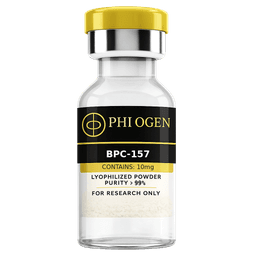
BPC-157 10mg
Body Protection Compound 157 — one of the most studied healing peptides for tissue repair and gut health.
$59.99$53.99—Buy Now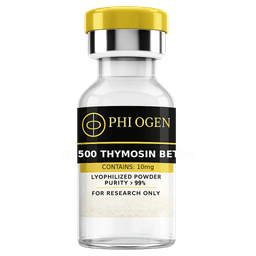
TB-500 (Thymosin Beta-4) 10mg
Thymosin Beta-4 fragment — systemic healing, flexibility, and tissue regeneration.
$59.99$53.99—Buy Now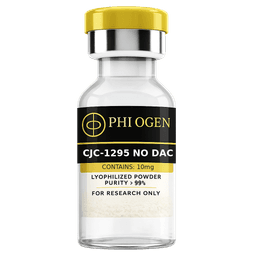
CJC-1295 No DAC 10mg
GHRH analog — stimulates natural pulsatile growth hormone release. Pairs with Ipamorelin.
$79.99$71.99—Buy Now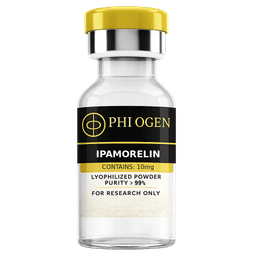
Ipamorelin 10mg
Selective GH secretagogue with minimal side effects — the cleanest GHRP available.
$59.99$53.99—Buy NowInjection FAQ
Does subcutaneous injection hurt?
With a 31-gauge, 5/16-inch insulin syringe in abdominal or thigh fat, most researchers report a brief sensation comparable to a mosquito bite, or no sensation at all. Technique matters more than tolerance — slow entry, slow injection, and dry alcohol sites reduce discomfort dramatically.
Do I need to aspirate before injecting?
No. Aspiration — pulling back on the plunger to check for blood — is a relic of older intramuscular practice. For modern SubQ peptide work in abdominal fat with a short insulin needle, aspiration is unnecessary and can actually increase bruising by disturbing tissue.
Can I mix two peptides in one syringe?
In many cases yes — CJC-1295 and Ipamorelin are the classic example, commonly combined into a single morning draw. Some combinations are chemically incompatible or pharmacokinetically mismatched. Always check the compound-specific guidance before combining, and never mix more than two compounds in a single delivery without protocol justification.
How do I dispose of used syringes?
Use a dedicated sharps container — a rigid, puncture-resistant plastic container with a locking lid. Many pharmacies accept filled sharps containers for disposal. Never place used syringes in household trash or recycling.
Lab-Tested Peptides, COA Verified
Every batch tested for identity, purity, and endotoxin content — injection-ready quality.
Browse Catalog →