
How to Reconstitute Peptides — The Complete Guide
Lyophilized peptides arrive as dry powder. Reconstituting them correctly is the single most important skill in research handling — and the easiest to get wrong.
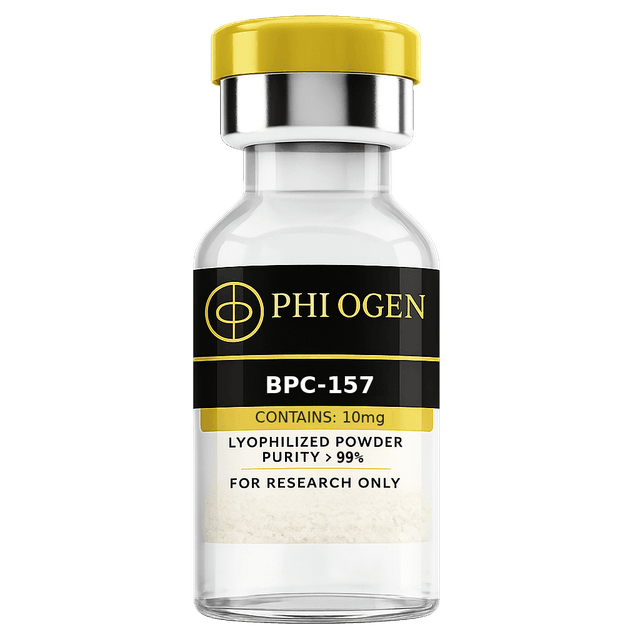
BPC-157
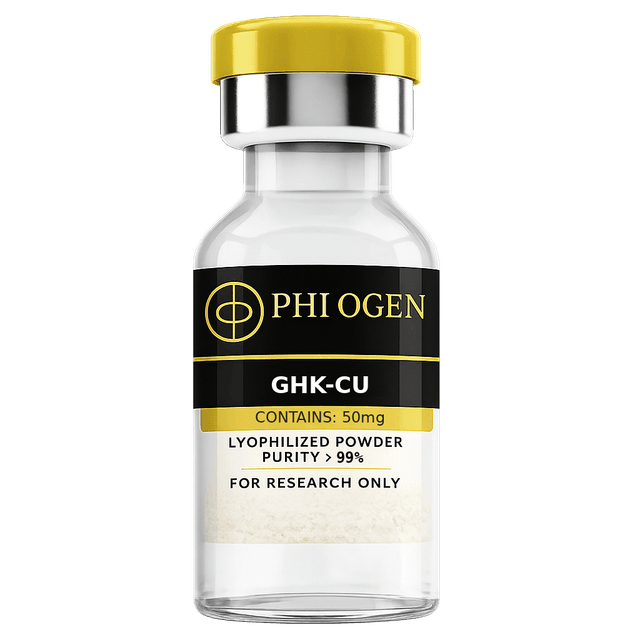
GHK-Cu
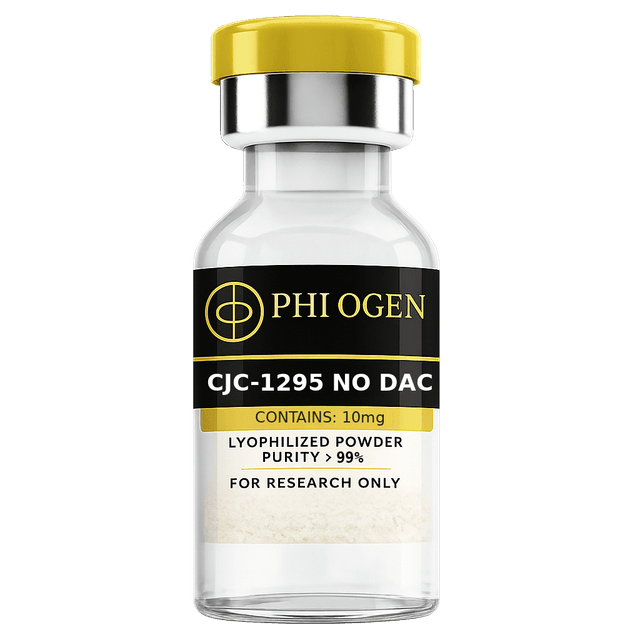
CJC-1295
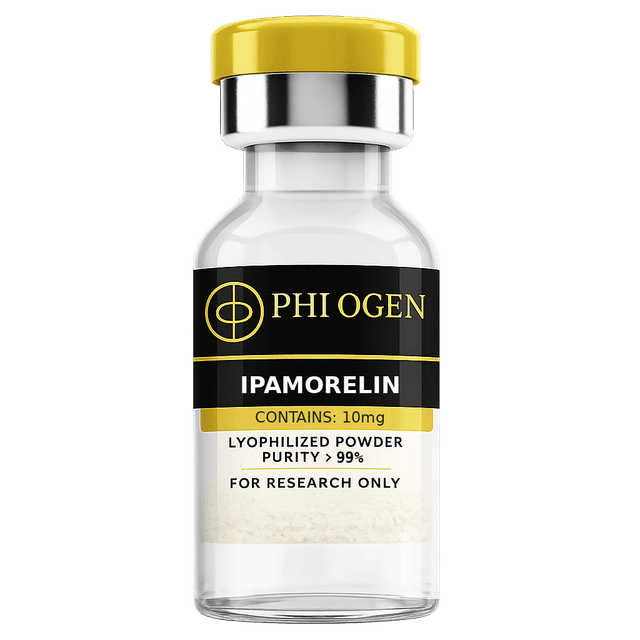
Ipamorelin
Why Peptides Are Shipped Lyophilized
Every peptide you receive from a reputable vendor arrives as a small cake or disc of off-white powder at the bottom of a glass vial. That format is not arbitrary — it is the result of lyophilization, a freeze-drying process that removes all water from the peptide while it is still frozen. Without water present, peptide molecules cannot hydrolyze, cannot cluster into inactive aggregates, and cannot be degraded by the proteolytic enzymes that would otherwise tear them apart. A lyophilized peptide, stored in a sealed vial at appropriate temperature, is essentially inert and shelf-stable for twelve to twenty-four months depending on the specific compound and the humidity of the storage environment.
The moment you introduce water, however, the clock begins. A reconstituted peptide is an active compound in an aqueous environment, which means it is subject to the same hydrolytic and enzymatic pressures that any protein would face. The goal of reconstitution is to hydrate the peptide correctly the first time, in a volume that matches your intended dosing, using a solvent that protects against microbial contamination, and to do all of this without damaging the molecule itself. Done well, you end up with a solution that remains stable for four to six weeks in refrigeration. Done poorly, you end up with degraded product, inconsistent potency, or outright contamination.
What You Actually Need
The supply list for proper peptide reconstitution is short but non-negotiable. You need bacteriostatic water — which is simply sterile water containing 0.9% benzyl alcohol to inhibit bacterial growth. This is what allows a reconstituted peptide to sit in your fridge for a month without turning into a petri dish. You need insulin syringes, typically 31-gauge, 0.5-inch, 1 mL (100-unit) capacity for most research work. You need alcohol swabs for every rubber stopper you pierce. And you need a clean, flat workspace that has been wiped down before you start.
Not all bacteriostatic water is identical. A 30 mL multi-use vial of pharmaceutical-grade BAC water is the standard; avoid sterile water for injection without benzyl alcohol, because it has no preservative and your reconstituted peptide will spoil within days. Avoid filtered tap water, distilled water, and any "sterile" water you have not personally verified as bacteriostatic-grade. The cost difference between BAC water and improvised alternatives is negligible, and the consequences of using the wrong solvent range from degraded research material to introducing an infection risk you cannot see.
The Reconstitution Procedure, Step by Step
- 1. Let the vials reach room temperature. Cold peptide vials can produce condensation when opened, and cold BAC water draws slightly less accurately into an insulin syringe. Let both sit out for ten to fifteen minutes.
- 2. Calculate the volume of BAC water you need. Do not pick a number at random. The volume you add determines your dose-per-unit on an insulin syringe, which determines whether your protocol is actually feasible. Refer to the chart below before you open anything.
- 3. Wipe both rubber stoppers with a fresh alcohol swab. Both the BAC water vial and the peptide vial. Let them air dry for fifteen seconds.
- 4. Draw up your BAC water slowly. Pull back the plunger to your calculated volume, insert the needle into the BAC water vial, invert, and draw. Inject any bubbles back into the BAC water vial, not into your peptide.
- 5. Transfer the water down the side of the peptide vial, not directly onto the powder. A direct stream of water hitting the lyophilized cake can shear the peptide and cause mechanical degradation. Instead, angle the needle so the water runs down the inside wall of the vial.
- 6. Do not shake. Swirl the vial gently in a circular motion. Peptides are structurally fragile — violent agitation can denature the molecule, which is exactly the opposite of what you want. Swirl for thirty seconds, then set it down.
- 7. Wait five to ten minutes. Most peptides will go fully into solution in under a minute, but give the vial time to clear completely before drawing a dose. The final solution should be clear and free of particulates.
The Dosing Math, Simplified
A standard 1 mL insulin syringe is graduated into 100 units, meaning each unit is 0.01 mL. If you add 2 mL of BAC water to a 10 mg peptide vial, you now have 10 mg distributed across 200 units, or 50 mcg per unit. To deliver 250 mcg, you pull back to 5 units. To deliver 500 mcg, you pull back to 10 units. Every reconstitution protocol is a variation on that simple division.
| Vial Size | BAC Water | Concentration | 250 mcg | 500 mcg |
|---|---|---|---|---|
| 5 mg | 2 mL | 25 mcg / unit | 10 units | 20 units |
| 10 mg | 2 mL | 50 mcg / unit | 5 units | 10 units |
| 10 mg | 3 mL | 33 mcg / unit | 7.5 units | 15 units |
| 20 mg | 2 mL | 100 mcg / unit | 2.5 units | 5 units |
| 50 mg | 5 mL | 100 mcg / unit | 2.5 units | 5 units |
Always confirm your specific protocol against the dosing guidance on each product page before drawing.
Mistakes That Ruin a Vial
The most common reconstitution mistake is adding too much water. A researcher new to peptides will often think, sensibly, that adding 5 mL of BAC water to a 10 mg vial gives them "more peptide" — but what they have actually done is diluted the concentration to the point where delivering a standard dose requires 50 units on the syringe, which is a huge volume for a subcutaneous injection and leaves no headroom for adjustment. Err on the side of less water rather than more. You can always dilute further in your draw; you cannot unmix water back out of a peptide.
The second most common mistake is shaking the vial. Peptides are held together by hydrogen bonds and weak intramolecular forces that shear forces can disrupt. The result of shaking a reconstituted peptide is often no visible change at all, which makes the damage hard to detect — you simply end up with lower biological activity in your final material. Always swirl, never shake. The third most common mistake is reusing an insulin syringe, which contaminates both your BAC water and your peptide with whatever was on the previous needle. Syringes are cheap. Your research material is not.
Featured Reconstitution-Ready Peptides
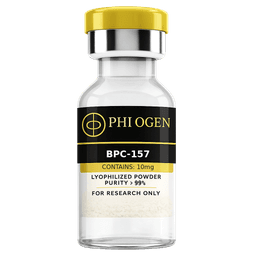
BPC-157 10mg
Body Protection Compound 157 — one of the most studied healing peptides for tissue repair and gut health.
$59.99$53.99—Buy Now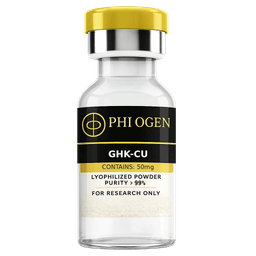
GHK-Cu 50mg
Copper peptide with powerful anti-aging, collagen synthesis, and wound healing properties.
$50.00$45.00—Buy Now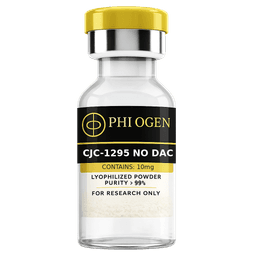
CJC-1295 No DAC 10mg
GHRH analog — stimulates natural pulsatile growth hormone release. Pairs with Ipamorelin.
$79.99$71.99—Buy Now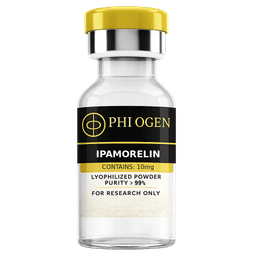
Ipamorelin 10mg
Selective GH secretagogue with minimal side effects — the cleanest GHRP available.
$59.99$53.99—Buy NowReconstitution FAQ
Can I use sterile water instead of bacteriostatic water?
Only for single-use reconstitutions you will finish within a few hours. Sterile water has no preservative; once a vial is pierced, it becomes non-sterile quickly. BAC water is the default for any peptide you intend to store beyond a single day.
How long does a reconstituted vial last?
Four to six weeks refrigerated at 2–8 °C is the typical stability window for most peptides reconstituted in BAC water. Some shorter-chain peptides degrade faster; check the product page for compound-specific guidance.
What if the powder doesn't fully dissolve?
Most peptides will clear completely within a minute of swirling. If you see persistent cloudiness or particulates after ten minutes, the product may be damaged, impure, or was shocked during shipping. Reputable vendors will replace a vial that does not reconstitute cleanly.
Do I need to filter after reconstitution?
For research use with high-purity lyophilized product, additional filtering is unnecessary and can cause protein loss. The peptide arrives sterile; BAC water maintains sterility; the vial is sealed. Skip this step unless your specific protocol requires it.
Ready to Start Your Research Protocol?
Lab-tested peptides with COA on every batch — reconstitute with confidence.
Browse All Peptides →