
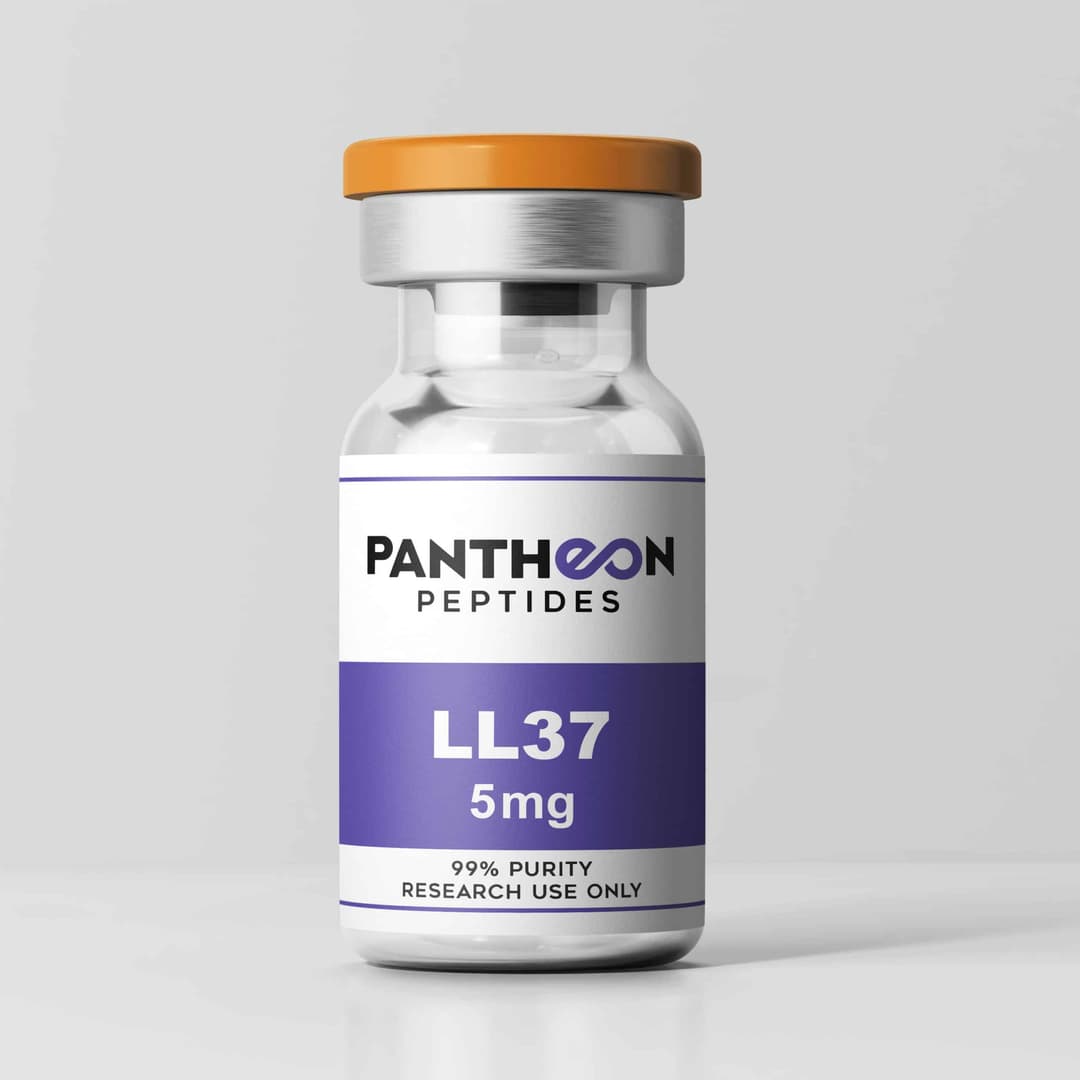
LL-37
Human cathelicidin antimicrobial peptide with immune modulation and wound healing properties.
What Is LL-37?
LL-37 is the only member of the cathelicidin family of antimicrobial peptides expressed in humans. Beyond its antimicrobial properties, LL-37 is known for its role in immune modulation, wound healing, and anti-inflammatory signaling. It is naturally produced by neutrophils, macrophages, and epithelial cells in response to injury and infection.
🔬 Mechanism of Action
LL-37 is the sole human cathelicidin antimicrobial peptide, generated by cleavage of hCAP18 (human cationic antimicrobial protein 18) by serine proteases at epithelial surfaces and in neutrophil granules. It exerts direct antimicrobial effects by disrupting bacterial membranes through an amphipathic alpha-helical structure that integrates into lipid bilayers. Beyond direct microbial killing, LL-37 modulates innate immune signaling by binding lipopolysaccharide (LPS), neutralizing endotoxin, and acting on formyl peptide receptor-like 1 (FPRL1) to coordinate inflammatory and wound healing responses.
Effectiveness Profile
Relative effectiveness scores derived from published preclinical literature across key endpoints.
Scores are qualitative aggregates from animal and in vitro studies and are not a medical claim. For educational purposes only.
Applications & Benefits
Key Study Findings
Broad-spectrum antimicrobial activity demonstrated against gram-positive, gram-negative bacteria, and certain fungi in vitro
Shown to neutralize LPS and reduce downstream NF-κB-mediated inflammatory cascades in cell culture models
Promotes keratinocyte migration, angiogenesis, and re-epithelialization in wound healing studies
Modulates dendritic cell maturation and T-cell polarization, contributing to adaptive immune study interest
Investigated for biofilm disruption activity against clinically relevant bacterial strains
Effect Timeline
Expected milestones based on published preclinical data.
Growth factor upregulation begins. Anti-inflammatory cytokine modulation and early cellular migration signals activated.
Blood vessel formation accelerates at repair sites. Measurable increase in tissue growth factor expression.
Collagen deposition and matrix remodeling underway. Structural integrity measurably improving in preclinical models.
Healing cycle completes in most preclinical models. Sustained anti-inflammatory state; functional tissue restoration.
Growth factor upregulation begins. Anti-inflammatory cytokine modulation and early cellular migration signals activated.
Blood vessel formation accelerates at repair sites. Measurable increase in tissue growth factor expression.
Collagen deposition and matrix remodeling underway. Structural integrity measurably improving in preclinical models.
Healing cycle completes in most preclinical models. Sustained anti-inflammatory state; functional tissue restoration.
Timelines are derived from preclinical animal studies. Individual results in laboratory settings may vary. For educational purposes only.
Dosing Protocol
Dosing information is derived from published animal studies and is provided for educational purposes only.
Reconstitution Calculator
Calculate exact BAC water volume and dose measurements for LL-37.
For laboratory use only. This calculator is a reference tool — verify all calculations before use. Always use sterile technique with bacteriostatic water and sterile syringes.
Synergistic Stack Combinations
Frequently Asked Questions
What is LL-37 and how is it produced in the body?
LL-37 is a 37-amino acid cationic peptide and the only member of the human cathelicidin family. It is cleaved from its precursor protein hCAP18 by proteases such as kallikreins at epithelial surfaces in the skin, lungs, and gut, as well as by proteinase 3 in neutrophil granules. Its expression is induced by infection, inflammation, and vitamin D signaling.
How does LL-37 kill bacteria without harming host cells?
LL-37 adopts an amphipathic alpha-helical conformation that allows it to selectively target bacterial membranes, which have a net negative charge due to phosphatidylglycerol and cardiolipin. Mammalian cell membranes are predominantly zwitterionic and less susceptible to this disruption. At concentrations used in preclinical models, LL-37 demonstrates selective toxicity toward bacteria while sparing eukaryotic cells.
What immune functions beyond antimicrobial killing does LL-37 cover?
LL-37 has been characterized as a multifunctional immunomodulatory peptide. It binds and neutralizes LPS to dampen endotoxin-driven inflammation, recruits immune cells via chemoattractant activity, and promotes angiogenesis and keratinocyte proliferation during wound repair. It also influences dendritic cell maturation and cytokine production, making it a subject of broad innate and adaptive immunity study.
Related Topics
LL-37
For educational use only · Verified vendor
Quality Assurance
Related Guides
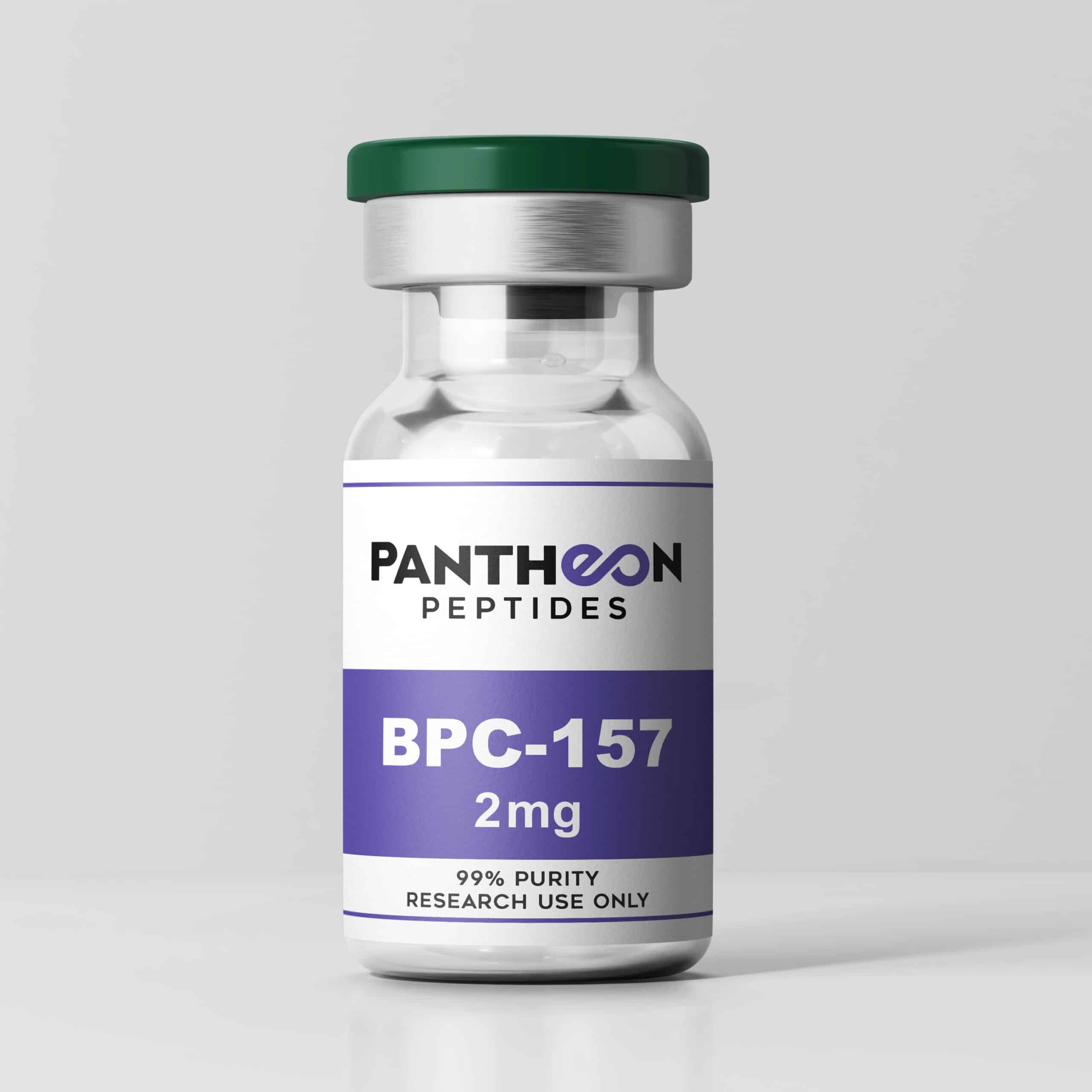
BPC-157
Body Protection Compound 157 — one of the most studied healing peptides.
TB-500
Thymosin Beta-4 fragment — promotes healing, flexibility, and regeneration.
BPC-157 Oral
Oral tablet form of BPC-157 — same healing peptide in a convenient, no-injection format.